
How Many Animals Participate in the Great Migration?
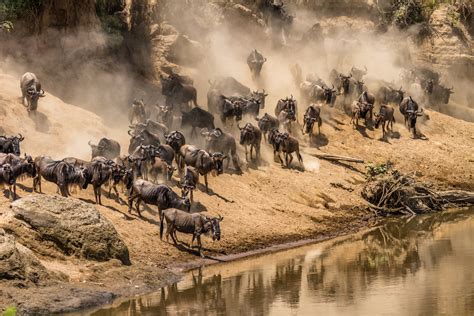
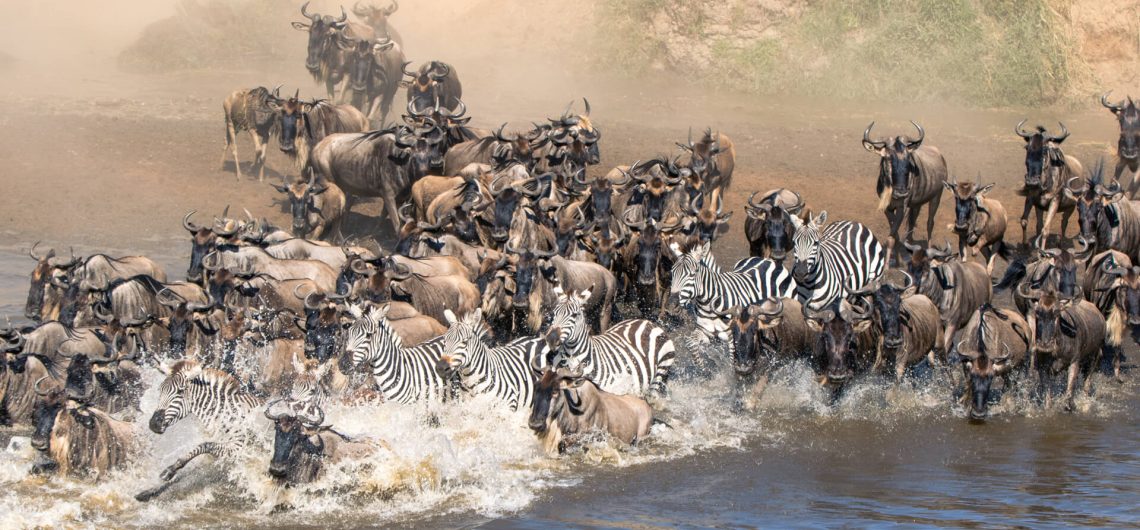
How Many Animals Participate in the Great Migration? This is one of the most frequently asked questions by travelers planning an African safari. The Great Migration is the world’s largest land animal migration, involving more than 2 million animals, including wildebeest, zebras, and gazelles, as they move through the Serengeti-Mara ecosystem between Tanzania and Kenya each year. Covering nearly 1,800 miles (2,900 km) in a continuous search for fresh grazing and water, this spectacular natural phenomenon is a major highlight of Kenya Safaris, Tanzania Safaris, Kenya Best Safaris, and Tanzania Wildlife Safaris.
At Amakula African Safaris, we help travelers experience this extraordinary natural event through expertly crafted safari itineraries that combine unforgettable wildlife encounters, authentic cultural experiences, and personalized service. Whether you are a wildlife photographer, birdwatcher, first-time safari traveler, or seasoned explorer, understanding how many animals participate in the Great Migration offers a deeper appreciation of one of Africa’s greatest natural wonders.
How Many Animals Participate in the Great Migration?
Every year, the Great Migration animal numbers exceed 2 million, making it the largest terrestrial wildlife migration on Earth. The migration consists primarily of:
- Approximately 1.5 million wildebeests
- Around 250,000 plains zebras
- Nearly 400,000 Thomson’s and Grant’s gazelles
- Thousands of eland, topi, impalas, and other antelope species
Following these enormous herbivore herds are Africa’s iconic predators, including:
- Lions
- Leopards
- Cheetahs
- Hyenas
- African wild dogs
- Nile crocodiles
These predators rely on the migration for survival, creating one of nature’s most dramatic predator-prey relationships. This incredible movement has earned global recognition as one of the Seven New Wonders of the Natural World, attracting visitors from around the globe seeking the ultimate African safari experience.
Serengeti National Park, Tanzania – The Heart of the Great Migration
When asking how many wildebeest migrate each year, the answer begins in Serengeti National Park, Tanzania.
The Serengeti hosts the majority of the migrating herds, including:
- About 1.5 million wildebeests
- Approximately 250,000 zebras
- Nearly 400,000 gazelles
These vast herds stretch across endless golden plains, creating one of Africa’s most spectacular wildlife scenes.
The Serengeti is the centerpiece of Tanzania Great Migration adventures and one of the finest destinations for Tanzania Wildlife Safaris. Its expansive grasslands, scattered acacia trees, seasonal rivers, and fertile plains support one of the richest ecosystems on the continent.
Calving Season: Nature’s Greatest Nursery
Between January and March, the southern Serengeti and nearby Ndutu plains become the birthplace of nearly 500,000 wildebeest calves.
This remarkable event dramatically increases wildlife concentrations and provides exceptional opportunities to witness:
- Wildebeest births
- Lion hunts
- Cheetah chases
- Hyena interactions
- Jackals hunting newborn calves
Visitors asking how many animals migrate across the Serengeti during this season witness some of the highest wildlife densities anywhere on Earth.
Getting There
Travelers can easily access Serengeti National Park through:
- Scheduled flights from Arusha to Seronera
- Flights to Kogatende during river crossing season
- Flights to Ndutu during calving season
- Scenic overland safaris from Arusha
Cultural Experiences Around Serengeti
A safari extends beyond wildlife viewing.
Guests can visit traditional Maasai and Datoga communities where they learn about:
- Traditional pastoral lifestyles
- Warrior culture
- Indigenous craftsmanship
- Bead making
- Livestock traditions
- Ancient customs preserved for generations
Many visitors also combine the Serengeti with Uganda Gorilla Trekking, creating an unforgettable East African safari that blends vast savannas with mountain rainforests.
Maasai Mara National Reserve, Kenya – Home of the Famous River Crossings
Between July and October, the migration reaches its most dramatic stage as millions of animals enter Kenya’s Maasai Mara National Reserve.
This is when travelers witness the legendary Mara River crossings, where:
- Giant crocodiles wait beneath the water
- Lions patrol riverbanks
- Hyenas stalk weakened animals
- Thousands of wildebeests leap into dangerous waters
These crossings define the essence of Kenya Wildlife Safaris.
How Many Animals Enter Kenya?
Although seasonal rainfall influences migration timing, typically:
- More than 1 million wildebeests
- Tens of thousands of zebras
- Hundreds of thousands of gazelles
cross into Kenya during peak migration.
These astonishing Great Migration wildlife statistics reinforce the Maasai Mara’s reputation as one of the world’s premier safari destinations.
Accessing Maasai Mara
Travelers can reach the reserve through:
- Daily flights from Nairobi Wilson Airport
- Scenic road safaris across the Great Rift Valley
Maasai Cultural Experiences
Beyond wildlife, visitors enjoy authentic Maasai village experiences that showcase:
- Traditional homes
- Warrior ceremonies
- Livestock management
- Traditional dances
- Community conservation projects
The Mara is equally rewarding for bird enthusiasts, hosting over 500 bird species, making it an outstanding destination for Kenya Birding Safaris.
Combining the Maasai Mara with Uganda Gorilla Trekking creates one of Africa’s most diverse safari experiences.
Ngorongoro Conservation Area – Where the Migration Begins
The Ngorongoro Conservation Area plays a crucial role in answering how many animals participate in the Great Migration.
Located adjacent to the Serengeti, Ngorongoro supports the early stages of the migration and hosts one of Africa’s highest predator densities.
Between January and March, nearly 500,000 wildebeest calves are born in the surrounding plains, providing abundant food for predators including:
- Lions
- Hyenas
- Leopards
- Cheetahs
The region offers breathtaking scenery featuring:
- The Ngorongoro Crater
- Volcanic highlands
- Soda lakes
- Rolling grasslands
- Maasai settlements
Getting There
Visitors typically travel from Arusha by:
- Road transfers
- Charter flights to nearby airstrips
- Guided game drives through the conservation area
Cultural Tourism in Ngorongoro
The area is equally renowned for its cultural heritage.
Guests visit Maasai homesteads to learn about:
- Traditional architecture
- Livestock keeping
- Indigenous medicine
- Household customs
- Community conservation
Many travelers combine Ngorongoro with Serengeti, Tarangire, Lake Manyara, and Uganda Gorilla Trekking to experience East Africa’s remarkable diversity.
What Animals Participate in the Great Migration?
Many travelers wonder what animals participate in the Great Migration. While wildebeests dominate the migration, many other species are part of this incredible ecosystem.
The migration includes:
- Blue wildebeests
- Plains zebras
- Thomson’s gazelles
- Grant’s gazelles
- Elands
- Topis
- Impalas
Predators closely follow the herds, including:
- African lions
- Leopards
- Cheetahs
- Spotted hyenas
- African wild dogs
- Nile crocodiles
Birdlife also flourishes during the migration, with vultures, eagles, secretary birds, storks, and numerous migratory species benefiting from this seasonal abundance.
When Is the Best Time to See the Great Migration?
The best time to see the Great Migration depends on which stage of the journey you want to experience.
January to March
- Calving season in Southern Serengeti and Ndutu
- Massive concentrations of wildebeests
- Outstanding predator action
April to June
- Herds move northwest through Central and Western Serengeti
- Excellent wildlife viewing with fewer visitors
July to October
- Famous Mara River crossings
- Peak safari season in Kenya
- Spectacular predator encounters
November to December
- Herds return south following seasonal rains
- Excellent game viewing across Northern Tanzania
Each season offers a unique perspective on the Great Migration wildlife spectacle.
How Much Does a Great Migration Safari Cost?
Safari prices vary according to travel season, accommodation standard, and itinerary length.
Typical daily costs include:
- Mid-range safari: USD 250–450 per person
- Luxury safari: USD 700–1,500+ per person
Amakula African Safaris provides customized itineraries with transparent pricing, experienced guides, quality accommodations, and exceptional value for travelers seeking to witness the Great Migration animal count firsthand.
Why Choose Amakula African Safaris?
At Amakula African Safaris, we combine regional expertise with personalized service to deliver unforgettable East African adventures.
Our safaris include:
- Expert local safari guides
- Carefully selected accommodations
- Customized Kenya and Tanzania itineraries
- Authentic cultural experiences
- Responsible and sustainable tourism practices
- Seamless logistics across Kenya, Tanzania, and Uganda