
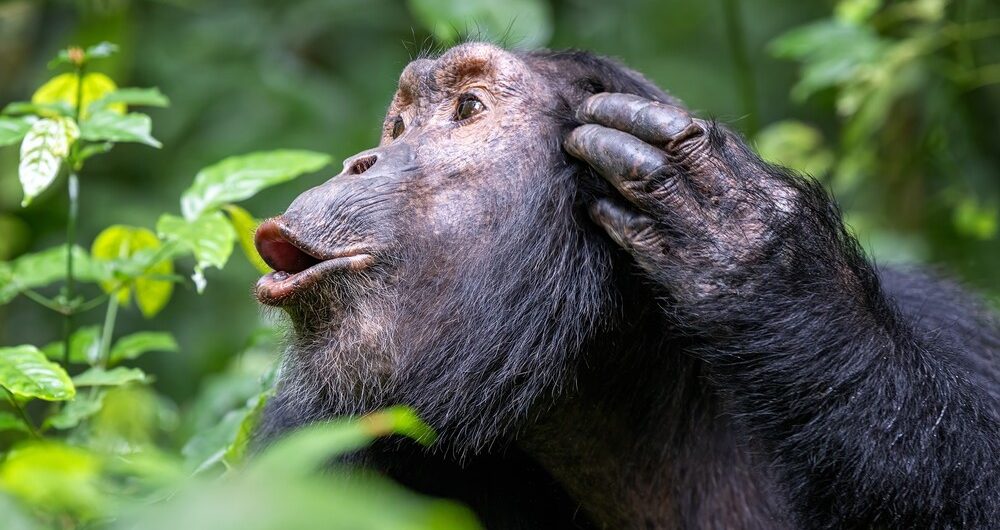
Kibale Forest National Park
Kibale Forest National Park is one of Uganda’s most remarkable natural treasures, situated in the western part of the country along the East African Rift Valley, near the scenic Ndali-Kasenda crater area. The park’s elevation ranges from approximately 1,100 to 1,590 meters above sea level, creating a diverse environment that supports an exceptional variety of wildlife and plant species.
Kibale was first gazette as a forest reserve in 1932 due to its rich biodiversity and was later established as a national park in the 1990s. Today, it is widely recognized as Uganda’s primate capital and one of the most important primate destinations in East Africa, offering visitors remarkable opportunities to encounter chimpanzees and numerous other primate species.
The park is home to more than 350 tree species, including extensive areas of pre-montane forest that are rarely found elsewhere in East Africa. Its diverse vegetation also includes montane and lowland forests, providing habitat for several threatened tree species such as Lovoa swynnertonnii, Cordia millenii, and Entandrophragma species.
Towering trees, some reaching heights of around 55 meters, create a dense forest canopy that supports a lush undergrowth of ferns, herbs, shrubs, and grasses. With annual rainfall of approximately 1,700 mm, Kibale remains green and vibrant throughout much of the year, creating an ideal habitat for its remarkable biodiversity and making it a must-visit destination for wildlife, nature, and primate enthusiasts.
Activities in Kibale Forest National Park
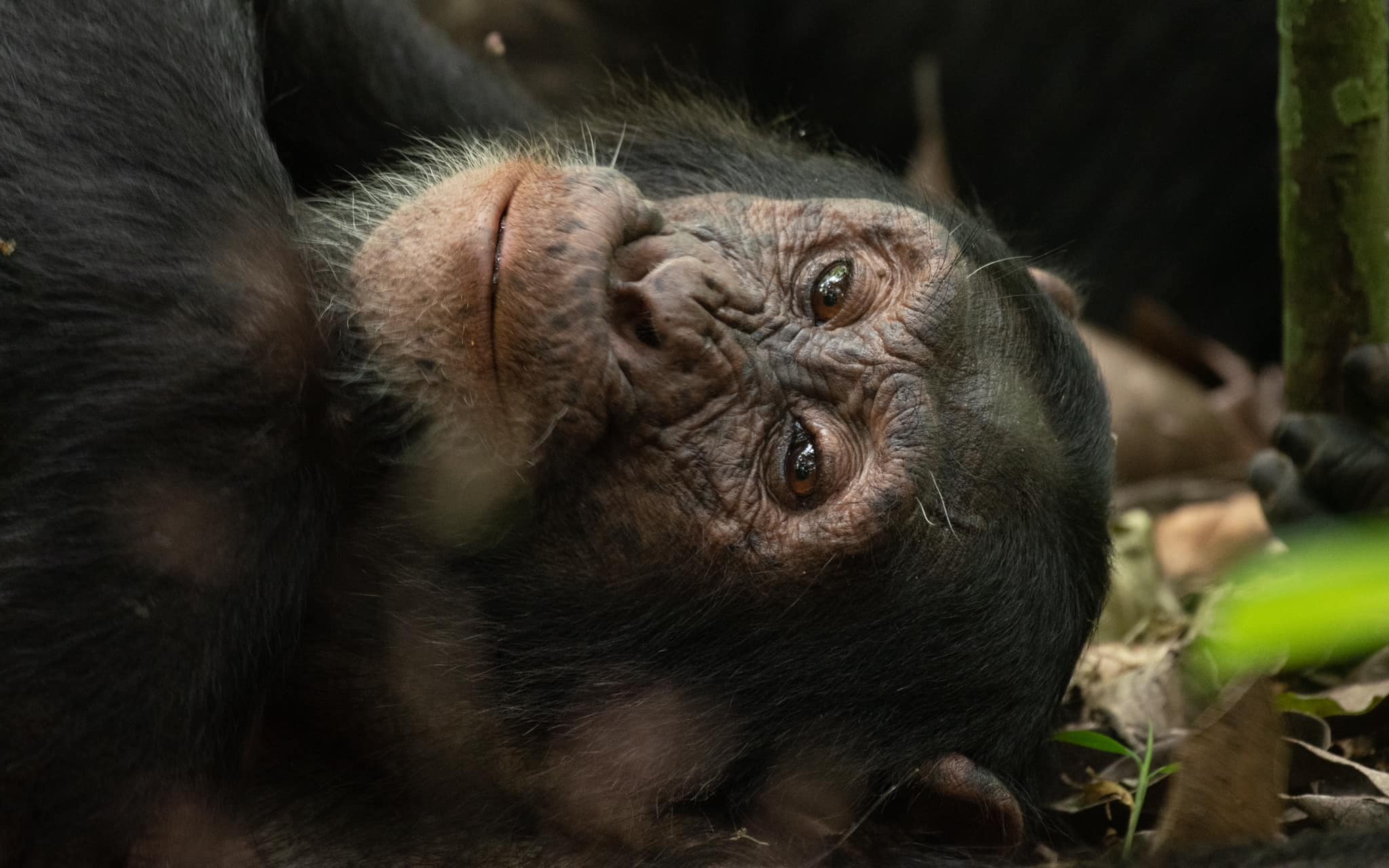
Chimpanzee Trekking and spotting other primates: Kibale national park is arguably the best place to go for a primate’s tour. The park might not have the gorillas but has more of the other primate species than any park in East Africa. Chimpanzees are an endangered species and are special because 95% of their DNA is similar to that of humans. Kibale has the largest chimpanzee clans in East Africa and about 5,000 individuals have been recorded. Chimpanzees can be spotted in other parks in East Africa but the chances of seeing them are slim when compared to Kibale Forest.
What makes a primate safari in Kibale Forest National Park even more special is its amazing collection of monkeys. While in Kibale Forest, expect to see L’Hoest Monkeys, the endangered Red Colobus Monkey, Grey Cheeked Mangabey, the Redtailed Monkeys, Bush Baby, Blue Monkeys, Vervet Monkeys, Olive Baboons, Black and White Colobus. Since the park is close to Bwindi Impenetrable Forest and Queen Elizabeth National Park, primate lovers can expect a complete African Safari without travelling for a long distance. You might find the 3 Days Chimpanzee Trekking tour in Kibale Forest interesting.
Uganda is widely recognized as one of Africa’s premier birding destinations, and Kibale Forest National Park is a true paradise for bird enthusiasts. Covering approximately 180 square kilometers of lush tropical rainforest, Kibale is home to more than 374 recorded bird species, offering exceptional opportunities for both experienced birders and nature lovers.
During a birding tour through Kibale Forest, visitors may encounter a remarkable variety of forest species, including the Abyssinian Ground Thrush, African Grey Parrot, Black Bee-eater, Black-capped Apalis, Black-eared Ground Thrush, Blue-breasted Kingfisher, Blue-headed Sunbird, Brown-chested Alethe, Brown Illadopsis, Collared Apalis, Crowned Eagle, Dusky Crimsonwing, Little Greenbul, Purple-breasted Sunbird, Red-chested Owlet, Red-faced Woodland Warbler, Scaly-breasted Illadopsis, African Pitta, Western Nicator, White-naped Pigeon, Yellow-rumped Tinkerbird, and Yellow-spotted Nicator.
With its dense vegetation, diverse habitats, and extraordinary wildlife, Kibale Forest offers an unforgettable birding experience in the heart of Uganda’s tropical wilderness.
Other wildlife:
Uganda is regarded as one of Africa’s premier birding destinations, and Kibale National Park is a true paradise for bird enthusiasts and nature lovers. Covering approximately 180 km² of lush tropical rainforest, the park is home to more than 374 recorded bird species, making it an excellent destination for birdwatching. During a birding tour, visitors may encounter species such as the Abyssinian Ground Thrush and many other colorful forest birds.
Beyond its impressive birdlife and famous primates, Kibale National Park supports an incredible diversity of wildlife. The forest is home to around 70 mammal species, including forest elephants, forest buffaloes, bush pigs, giant forest hogs, leopards, hippopotamuses, bushbucks, red and blue duikers, sitatungas, warthogs, mongooses, African golden cats, and, occasionally, spotted hyenas.
Kibale is also rich in smaller wildlife, with numerous butterfly, reptile, amphibian, and snake species inhabiting its diverse forest ecosystem. With its remarkable combination of birds, mammals, primates, butterflies, reptiles, and lush rainforest landscapes, Kibale National Park offers an unforgettable experience for wildlife enthusiasts, birders, photographers, and nature lovers.
Visiting the Local people:
For travelers interested in experiencing the rich local culture around the park, there are several rewarding activities to explore. The Batoro are the dominant ethnic community in the region and offer a fascinating insight into Uganda’s traditional heritage. They are a proud people with a rich history, culture, traditions, and a royal institution headed by the Omukama (King).
Visitors can also meet the Bakiga, a hardworking community whose livelihoods have traditionally depended on subsistence farming. They are particularly known for cultivating local foods such as matoke (bananas). The Bakiga originally migrated into the region and were welcomed by the Batoro, and their community has continued to grow over the years.
One of the most authentic ways to experience the culture of the area is through a community or cultural visit, where travelers can interact with local families or visit organized cultural centers. These experiences provide opportunities to learn about traditional dances, local languages, cuisine, customs, and fascinating stories passed down through generations.
Tourism has also created important opportunities for both the Bakiga and Batoro communities. Through cultural tourism, local people can earn income, showcase their heritage, and participate in the development of their communities. Before tourism became an important part of the local economy, many families depended primarily on farming and the natural resources of the surrounding forests for their livelihoods.
Nature walks and Hikes:
Explore the remarkable biodiversity of Kibale National Park on a guided nature walk through its lush tropical forests and surrounding landscapes. These walks offer an opportunity to experience the beauty of the forest up close while discovering diverse plant and animal species, scenic grasslands, wetlands, rivers, and other natural habitats.
Nature walks can begin from either Sebitoli or Kanyanchu, depending on your preferred route and interests. You can also extend your experience with a visit to the fascinating Amabere Caves, adding a cultural and historical dimension to your adventure.
For travelers interested in experiencing local life, guided community walks through Nyaibanda, Nyakalongo, and Kikoni villages provide an authentic glimpse into the daily activities, traditions, and livelihoods of the surrounding communities.
For an even more adventurous experience, night forest walks can be arranged to discover Kibale’s nocturnal wildlife. With the help of experienced guides, you may encounter fascinating creatures such as pottos, bush babies, and nocturnal birds that are rarely seen during the day.
Whether you choose a daytime nature walk, community experience, or nighttime forest adventure, Kibale offers a wonderful opportunity to connect with Uganda’s incredible biodiversity and local culture.
Bigodi wetlands and bird sanctuary:
A special nature walk can be arranged to explore the Bigodi Wetlands Sanctuary, one of East Africa’s exceptional destinations for birdwatching and primate encounters. This approximately three-hour guided walk takes you through lush wetlands, palm trees, and diverse vegetation, offering the opportunity to spot more than 310 bird species and at least five species of primates in their natural habitat. The walk also provides a wonderful chance to discover the rich biodiversity and tranquil beauty of the Bigodi community wetlands.
Activities for Children:
Kibale National Park offers a variety of child-friendly activities that allow families to enjoy the beauty of the forest together. Professionally trained rangers, guides, and safari drivers are available to ensure children have a safe, engaging, and memorable experience.
Although children under 15 years are not permitted to participate in chimpanzee trekking, this does not mean they have to miss out on the excitement of a primate safari in Kibale. While parents take part in chimpanzee tracking, children can enjoy guided forest walks where they can discover fascinating forest animals, colorful birds, insects, and diverse plant species.
Other exciting activities for children include batik making, nature photography, pond dipping, and educational nature walks, giving them an opportunity to learn about Uganda’s wildlife and environment while having fun. A family safari in Kibale can therefore be an enriching experience for everyone, with activities carefully planned to ensure that children are entertained, engaged, and introduced to the wonders of Uganda’s natural world.
Accessing Kibale National Park
Accessing Kibale National Park is relatively easy compared to Bwindi Impenetrable and Mgahinga Gorilla National Parks, which are situated in Uganda’s far southwestern region. By road, the park can be reached directly from Kampala in approximately 5–6 hours, with the route passing through Mubende and Fort Portal. Travelers coming from the southern part of Uganda can access Kibale via the Kamwenge or Mbarara routes.
For visitors seeking a quicker and more convenient option, chartered flights from Kajjansi Airfield, along the Entebbe–Kampala highway, can be arranged to Fort Portal or the Ndali area. From there, travelers can continue by road to Kibale National Park, making air travel an excellent option for those looking to save time and enjoy a more comfortable journey.
The best time to visit Kibale National Park
Thanks to Uganda’s tropical climate and its location near the Equator, Kibale National Park can be visited throughout the year. However, the country experiences two main seasons—dry and rainy seasons—which can influence the overall safari experience.
The dry seasons, from December to February and June to September, are generally considered the best time to visit Kibale. During these months, rainfall is lower, trails are less muddy, and conditions are more favorable for chimpanzee tracking, forest walks, and other outdoor activities. The reduced vegetation in some areas can also make wildlife easier to spot.
The rainy seasons, from March to May and late September to November, bring more frequent rainfall. While some travelers may prefer the drier months, the rainy season has its own advantages. Kibale becomes exceptionally lush and green, creating beautiful scenery, while birdwatchers can enjoy excellent birding opportunities as resident and migratory species are more active.
For travelers seeking a balance between favorable trekking conditions and Uganda’s stunning green landscapes, we recommend visiting two to three weeks after the rainy season. By then, much of the mud has dried, the forests remain beautifully green, and the scenery is at its most spectacular.
Ultimately, Kibale National Park is a year-round destination, and the best time to visit depends on your interests and preferred safari experience.
Packing list for Kibale National Park
Kibale unlike Bwindi impenetrable forest National Park has relatively easy forest trails and walkways. We believe the following items should be included while on your tour of Kibale National Park:-
Travel documents:
You need to always have your travel documents with you while on an African safari. Important travel documents include a VISA, Passport and the yellow fever vaccination card. Without these documents, expect to have a hard time at the border crossing or airport which may lead to unnecessary costs. The passport must have at least 6 months still remaining to the expiry date. It’s advisable to make several copies of each of these documents to avoid any inconveniences later on. While preparing for your tour of Kibale National Park, you could also plan to pack your travel insurance card, medical insurance card, an updated travel itinerary and relevant local maps.
Pocket change:
A safari in Kibale National Park may require you to have some pocket money which you would need for small transactions like paying porters and buying art crafts. You might wish to reward your Guides for making your safari amazing but do not have money to give because of a lack of lose change. Although dollars are accepted by locals, some transactions may require local currencies.
Emergency phone numbers:
You need to acquire a local sim card as soon as you arrive for easy communication while visiting Kibale national park. Phone networks in Uganda are well planned and accessible even in remote areas at a relatively cheap price. You need to register with one of the networks so that you are covered up in case of any emergency. Your company guide should help you register with one of the network providers and acquire a number. Ensure you have all your identification details/documents for successful registration.
Clothes:
Like any African safari, you need to Travel with long sleeve shirts and long trousers. The color should be dull considering that you might be traveling in dusty environments with strong winds. To keep warm during the cold nights or rainy/wet seasons, you need to pack a sweater and rain jacket. Most lodges and hotels have a swimming pool and you should have a swimming costume.
Hiking shoes:
A simple, strong, comfortable and waterproof shoes is recommended during your Kibale National Park tour. You will also need comfortable stockings that are easy to dry and light sandals for evening relaxation at your lodge after your activities.
Insect repellents:
Countries in the tropics like Uganda have many insect species and a good repellent will be very handful.
A camera and binoculars and other gadgets:
You will regret later on if you don’t come with a good camera to capture all the memorable moments during your Kibale Forest safari. Other items to pack that might help make your safari comfortable and memorable include your ipad, phone and a waterproof simple backpack.
Other essentials:
If you have extra space, acquire a flash light, hand sanitizers/wipes, electric adapter, Vaseline, antibiotics, allergy medicines, toothbrush, lip balm, vitamins, pain killers, sanitary necessities and hair shampoo.
Accommodation in Kibale National Park
A safari holiday is worth remembering if at the end of each activity, you had to retire to a comfortable room surrounded by beautiful scenery and clean air. Kibale National Park is blessed with a variety of accommodation facilities. The types of accommodation during a safari in Uganda range from up market, mid-range and budget. Most of the lodges and hotels are found within the Kanyanchu, Ndali, Nkingo and Bigodi areas of the park. Let us look at some of them in detail.
Primates Lodge:
The primates luxury lodge is located strategically in the forest for easy viewing of wildlife. It has fashionable and comfortable rooms which are designed to be Eco-friendly. There are luxurious grass-thatched safari tents that stand on wooden platforms. There are also 7 luxurious cottages or tree houses that are good for spotting elephants, chimpanzees and other primates that frequent the place. The lodge offers well-furnished spacious rooms with luxurious beds. All rooms offer en-suite bathrooms, toilets and a sitting room. There is also a well-furnished lounge area, on-site bar and restaurant that serve tasty local and international dishes.
Tourist activities that can be undertaken while at the primate lodge include walking through the Bigodi village, forest walks, visiting the crater Lakes, birding, chimpanzee tracking and hiking the slopes of the Rwenzori Mountains. The lodge also organizes cultural dances and performances besides fireplace every evening as the guests rest from tiring but enjoyable sets of activities.
Chimps’ Nest Uganda:
This is an Eco-friendly lodge that is located at Nyabubale between the villages of Bigodi and Nkingo. The lodge is built with local material and uses solar lighting. Chimps’ Nest has got self-contained tree houses and cottages and is surrounded by vast farms of ginger, peanut, coffee and pineapple. The common tourist activities around the lodge include spotting animals like chimpanzees, elephants, monkeys and birds. Visitors to the lodge also have opportunities to marvel at the stunning Rwenzori mountain ranges and take nature walks.
Nyinabulitwa Country Resort:
Is a budget and mid-range hotel located 20km from Fort Portal town that offers well furnished, self-contained cottages with single and double beds. There is an African craft shop and an onsite restaurant that serve both local and international cuisines. Visitors can take part in a variety of tourist activities like forest/village walks, primate tracking, birding, fishing, canoeing, mountain hiking and wildlife viewing (elephants, buffaloes and bush pigs).
Kibale Forest Camp:
The Luxurious Kibale Forest Camp is built adjacent to the park and off the Kamwenge to Fort Portal Road. The lodge offers luxurious tents that are furnished with double beds and en-suite bathrooms/toilets. The room verandahs allow visitors to have stunning views of the park, forests and birds. Visitors can go for village walks, Rwenzori Mountain slope hiking, chimpanzee tracking and general wildlife viewing.
Ready to explore Kibale, meet chimpanzees, and discover Uganda’s incredible wildlife? Check out our 14 Days Uganda Big 5 safari with Primates & Tree Climbing Lions and start planning your unforgettable adventure with Amakula African Safaris.
Ready to Experience Uganda for Yourself?
Turn your Uganda inspiration into an unforgettable adventure with Amakula African Safaris. From rhino tracking and thrilling wildlife encounters to chimpanzees and mountain gorillas, we create personalized safaris tailored to your interests, style, and budget.
Now that you’ve discovered Uganda, turn your dream into an unforgettable safari with Amakula African Safaris. Whether traveling solo, as a couple, family, or group, we handle everything from permits and accommodation to transport and expert guiding
Your dream gorilla encounter could be closer than you think.
📩 Contact Amakula African Safaris today to request your personalized itinerary, check availability, and begin planning your journey to the Pearl of Africa.
Don’t just read about Uganda—come and experience it.
Your adventure starts with one message.
Book your Uganda safari with Amakula African Safaris today and let us turn your African dream into a lifetime of memories.