
Gorilla Trekking Safari in Uganda: Plan a Well-Paced Mountain Gorilla Encounter
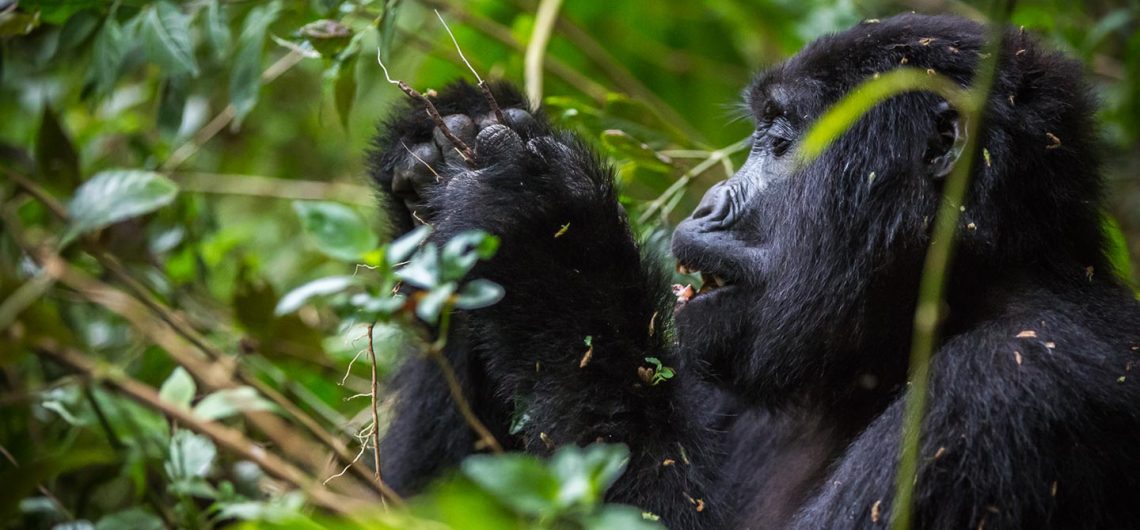
A rustle in Bwindi’s misty rainforest may come from a family of mountain gorillas moving through the ferns. Gorilla Trekking Safari in Uganda: Plan a Well-Paced Mountain Gorilla Encounter Uganda gorilla trekking gives you the rare chance to watch these great apes in their natural habitat, guided by rangers who protect both visitors and wildlife.
Seeing a habituated gorilla family at close range can be emotional and unforgettable. The encounter still follows strict rules on distance, time, noise, health, and photography. Good planning matters, so check the trekking area, permits, costs, fitness needs, travel seasons, accommodation, and responsible travel practices before booking your Bwindi gorilla safari or Mgahinga gorilla trekking experience.
Why Uganda Is One of Africa’s Best Gorilla Trekking Destinations.
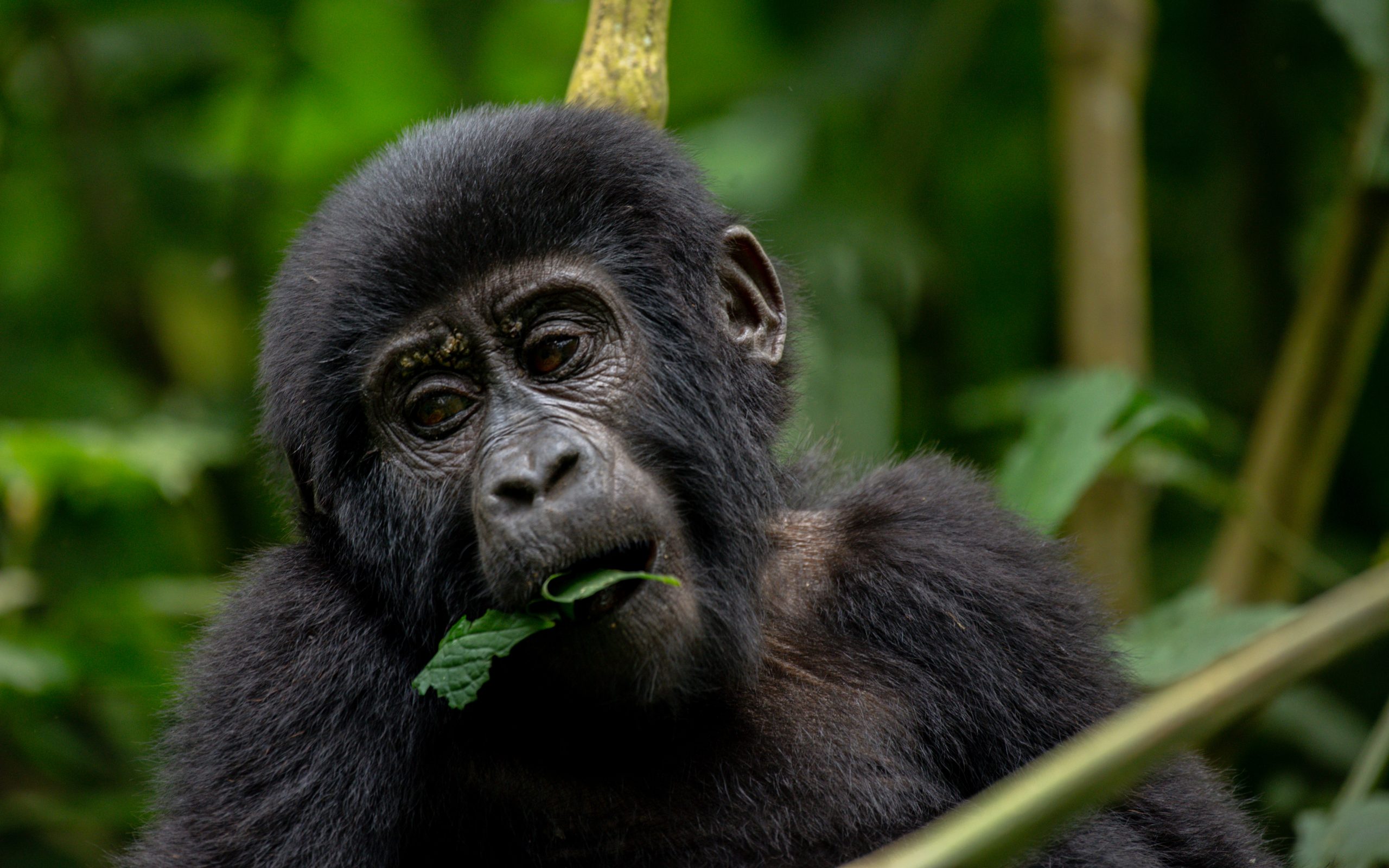
Uganda combines protected rainforest, trained ranger teams, established lodges, and two mountain gorilla destinations. Gorilla trekking is a guided forest hike, not a game drive or a zoo visit. The gorillas choose the route, the pace, and often how much you can see.
Tourism helps fund protected-area work and creates income for guides, porters, lodges, and nearby communities. Uganda’s gorilla program also forms part of wider regional conservation work across the Virunga and Bwindi forests.
Bwindi Offers the Widest Trekking Choice
Bwindi Impenetrable National Park is a UNESCO World Heritage Site and one of the most important habitats for mountain gorillas. Its four trekking sectors are Buhoma, Ruhija, Rushaga, and Nkuringo.
Your permit sector affects the lodge you need, road transfers, and the time spent reaching the trailhead. These sectors are not interchangeable. Choose based on road access, accommodation, permit availability, and your wider Uganda safari plans rather than assuming every trail begins near the others.
Mgahinga Brings Volcanic Scenery and a Quieter Setting
Mgahinga Gorilla National Park is Uganda’s second gorilla trekking destination. It forms part of the Virunga region and offers striking views of volcanic peaks, bamboo forest, and open mountain slopes.
The park has a smaller trekking program, so group and permit availability may differ from Bwindi. Confirm current conditions before paying a deposit. You may also combine Mgahinga gorilla trekking with volcano hikes, cultural visits, or other Virunga activities, subject to park rules and cross-border entry requirements.
Choosing the Right Gorilla Trekking Experience in Uganda
Your best experience depends on time, budget, fitness, and comfort with uncertainty. A standard trek suits most visitors, while the Gorilla Habituation Experience offers a longer visit under separate rules.
Terrain also varies by gorilla family and recent movements. A lodge description calling a trek “easy” cannot guarantee an easy day in steep, wet forest.
Standard Trekking Gives You a Focused Wildlife Encounter
The day starts with registration and a briefing before rangers assign your group to a habituated gorilla family. Trackers then guide you through the forest, sometimes for several hours, before you spend a regulated period observing the gorillas.
You might see feeding, grooming, play, rest, chest beating, or movement through thick plants. The hike can be short or demanding, and the return route may feel harder after rain. Ask your operator for honest details about sector terrain, not broad marketing labels.
Habituation Allows Longer Observation
The Gorilla Habituation Experience is a separate activity, generally associated with selected groups and specific park rules. It gives visitors more time with a family while trackers and conservation staff continue the habituation process.
The activity costs more and takes longer than standard trekking. It may suit photographers, researchers, and travelers who want a slower forest experience. Check current availability, prices, group limits, and eligibility with the Uganda Wildlife Authority or an authorized operator.
Gorilla Trekking Permits, Costs, and Booking Requirements
A valid permit is required for Uganda’s gorilla activities. The permit is only one part of the budget. Accommodation, transport, meals, park fees, flights, insurance, visas, porters, tips, and optional activities can raise the final cost.
Permit prices and booking rules can change. Confirm current rates through the Uganda Wildlife Authority or a trusted, licensed operator before making payment.
Book the Correct Permit for Your Trek
A standard permit typically covers entry into the gorilla trekking activity and regulated observation with an assigned habituated family. It does not automatically cover your lodge, vehicle, driver-guide, meals, or porter.
Request written confirmation showing the trekking date, park, sector, permit type, and traveler names. Check passport details carefully because errors can cause problems at registration. During high-demand periods, secure the permit before finalizing non-refundable flights.
Price the Full Safari, Not Only the Permit
Ask for an itemized quote that lists international or domestic flights, airport transfers, vehicle hire, driver-guide services, lodging, meals, park fees, porter support, insurance, visa costs, and cultural activities. Private transport usually costs more than shared travel, while lodge location can change both price and driving time.
A low quote may exclude the permit or place you far from the assigned sector. Compare the route, vehicle, lodge, meals, emergency support, and cancellation terms before paying a deposit.
Preparing for a Safe and Comfortable Gorilla Trek
Bwindi and Mgahinga can involve steep slopes, slippery mud, exposed roots, dense plants, and sudden elevation changes. Build leg strength and cardiovascular fitness before travel, then practice walking on uneven ground. Tell your operator about mobility limits early and ask about porter support.
Wear moisture-wicking layers, long trousers, a long-sleeved shirt, a waterproof jacket or poncho, broken-in hiking boots, gaiters, spare socks, gloves, and a warm layer for cool mornings. Neutral colors and tough fabrics work better than delicate safari clothing. Never start a mountain trek in brand-new boots.
Carry water, lunch, snacks, insect repellent, sunscreen, medication, a camera, spare batteries, and a small first-aid kit in a waterproof daypack. Dry bags or pack liners protect phones and cameras when rain arrives. A porter can carry your pack, steady you on difficult ground, and provide paid work locally.
Consult a travel-health professional about vaccines, malaria prevention, medication, and personal medical needs. If you feel ill, tell your operator or park staff; human respiratory infections can threaten gorillas. Follow ranger instructions on distance, masks, coughing, flash use, noise, and sudden movement. Never touch or feed a gorilla.
Finding the Best Time and Route for Uganda Gorilla Trekking
Uganda’s commonly recognized drier periods often attract higher demand and may bring more manageable trails and rural roads. Rainforest weather remains unpredictable in every season, so dry months do not guarantee dry ground or an easy trek.
Wet periods can bring heavier rain and muddy paths, but the forest may look especially green and permits may offer more planning flexibility. Trekking usually continues unless authorities consider conditions unsafe. Pack for rain in every month and leave buffer time after the trek, especially before a long road transfer.
Stay close to your assigned sector the night before trekking. A practical plan includes arrival and rest, the briefing and trek, a recovery night or gentle cultural activity, then the next transfer. Avoid scheduling a flight or inflexible connection immediately after the hike.
What to Expect on the Day of a Gorilla Trek
The morning briefing covers registration, group assignments, health rules, safety, and forest conduct. Tell the guide if you have a medical concern, need a slower pace, or want a porter.
Trackers use recent gorilla movements and knowledge of the forest to guide the search. You may climb, wait, cut through thick vegetation, and change direction several times. Pace yourself early because the hardest section may come before the gorillas are found.
Once the family appears, you may see feeding, grooming, resting, vocalizing, or play. Visibility can be partial, and gorillas may move away without warning. Keep your camera ready, but spend time watching behavior instead of viewing the entire encounter through a screen. Leave the forest quietly and follow the rangers’ return instructions.
Making Gorilla Trekking More Responsible
Gorilla welfare comes before close photographs. Keep the distance required by park authorities, avoid flash where prohibited, use quiet camera settings, and accept that trees or distance may limit your view.
Permit income supports official protected-area systems, while tourism creates work for guides, porters, lodge staff, and community businesses. Hire porters through recognized systems, pay fair tips, choose transparent operators, and buy locally made crafts. Avoid products made from protected wildlife or illegal materials.
Carry out all waste, reduce single-use plastic, stay on marked paths, and avoid loud music or attempts to attract animals. Refillable bottles help where safe water is available. Small choices protect sensitive rainforest habitats.
Extending a Uganda Gorilla Safari Beyond Bwindi
Gorilla trekking can anchor a longer Uganda safari, but road distances deserve honest planning. Kibale Forest National Park can add chimpanzee tracking, though it requires a separate permit and enough transfer time. Chimpanzees and mountain gorillas offer different forest experiences and should not be treated as interchangeable.
Depending on trip length, combine the trek with Queen Elizabeth National Park or Murchison Falls National Park for game drives and boat safaris. You might also add birdwatching, crater-lake views, nature walks, Batwa-related cultural experiences, or local craft projects. Use ethical providers and seek consent during community visits.
How to Choose a Reliable Uganda Gorilla Safari Operator
A reliable operator explains permit access, sector logistics, lodge location, vehicle standards, guide experience, emergency plans, and cancellation terms. Check legal registration or membership in recognized Ugandan tourism bodies, and read recent independent reviews.
Ask how the company handles illness, delays, permit changes, and missed connections. The quote should clearly show included and excluded services. Avoid unusually cheap offers that omit permits, transport, or accommodation details.
Choose providers with clear policies on wildlife distance, visitor health, waste, porter welfare, and community partnerships. No ethical operator can promise a close encounter, perfect weather, or guaranteed photographs.
Frequently Asked Questions About Gorilla Trekking in Uganda
How much does gorilla trekking in Uganda cost?
The total depends on the current permit rate, lodge category, transport, season, safari length, and optional activities. Confirm current permit prices with the Uganda Wildlife Authority or an authorized operator.
Is gorilla trekking physically difficult?
It can range from demanding to strenuous because of mud, slopes, elevation, weather, and gorilla movements. Train before travel and consider hiring a porter.
How long does a Uganda gorilla trek take?
The hiking time varies because trackers cannot predict where the family will be. Standard observation is regulated and is separate from the time spent walking.
Which is better, Bwindi or Mgahinga?
Bwindi offers four sectors and more planning options. Mgahinga suits travelers drawn to volcanic scenery and a smaller park setting. Choose based on permits, roads, lodging, and your wider route.
Can children participate?
Check the current minimum age and park rules before booking. Families should also assess stamina, patience, and the child’s ability to follow wildlife instructions.
What happens if it rains?
Trekking may continue in rain when authorities consider conditions safe. Wear waterproof layers, protect electronics, use sturdy boots, and allow extra time on rural roads.
Conclusion: Turn a Gorilla Encounter Into a Thoughtful Uganda Safari
Choose Bwindi or Mgahinga based on sector logistics, permits, accommodation, and your wider itinerary. Budget for the complete safari, prepare for steep and muddy forest conditions, and follow every health and wildlife rule.
Support porters, local businesses, conservation work, and ethical community projects. The value of Uganda gorilla trekking is not a guaranteed photograph. It is the chance to witness a protected wild family with care, then help preserve the forest that makes the encounter possible.
Why you should Book with Amakula African Safaris Ltd?
5% of the profits go to Create Hope Uganda. Amakula African Safaris Ltd gives back to the community through its 5% share of profits. This profit goes to Create Hope Uganda, a project of Amakula African Safaris Ltd aimed at providing free health services to Venerable communities in Uganda.
Reliability and trustworthy. Amakula African Safaris Ltd is credited with trustworthy and reliable employees who are determined to work together with you to deliver quality services.
Comfortable safe mileage. Amakula aims at providing the most comfortable safe mileage to its clients so as to meet their satisfaction.
Hospitable employees/ guides with a broader knowledge about Uganda. Meet our hospitable employees/ guides all determined to make it to your travel destination. The employees are fluent English speakers.
Affordable quality services. Amakula exists to offer pocket friendly services which are of a good quality to suite your taste and preference.