
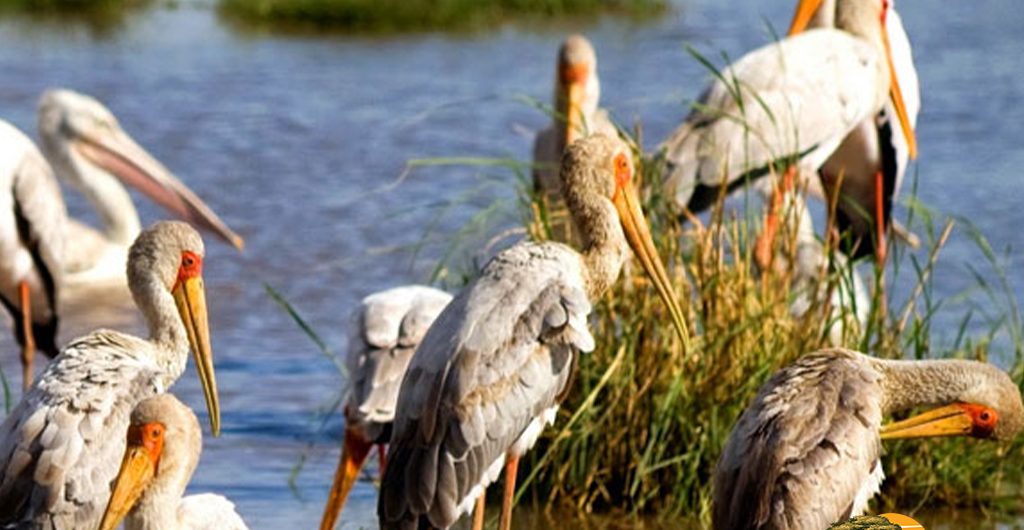
Kenya Birding Safaris with Amakula African Safaris for More Productive Bird Sightings
Kenya Birding Safaris With Amakula African Safaris For More Productive Bird Sightings. Kenya is famous for lions, elephants, and the Great Migration, but its birdlife can fill every hour of a safari. Coastal forests, highland woods, Rift Valley lakes, open savannah, and dry northern plains each support different bird communities. Kenya birding safaris with Amakula African Safaris can combine focused birdwatching with classic wildlife viewing, scenic drives, cultural visits, and beach time.
Explore Kenya’s Bird Diversity Across Contrasting Habitats
Kenya’s wide range of habitats makes it one of Africa’s strongest birding destinations. At the time of writing in September 2026, the eBird Kenya bar chart lists 1,146 species, plus 205 other recorded taxa. That total includes residents, regional specialties, passage birds, and seasonal visitors.
Find Different Bird Communities on One Safari
Highland forests hold shy forest specialists, while freshwater lakes attract flamingos, storks, herons, waders, and fish eagles. Coastal woodland adds species rarely seen inland, and dry scrub supports birds adapted to heat and sparse cover.
Open savannah brings rollers, bee-eaters, bustards, secretarybirds, and raptors into view. A carefully planned route can pass through several habitats, increasing the chance of seeing both resident and migratory birds.
Combine Endemic, Regional, and Migratory Targets
Some birds are restricted to Kenya or a small part of the country. Others are East African specialties shared across nearby nations. Target species may include Taita apalis, Taita thrush, Sokoke scops owl, Clarke’s weaver, vulturine guineafowl, and lilac-breasted roller.
Sightings depend on the site, season, weather, habitat, and field conditions. A target list helps your safari team build a realistic route, but no responsible operator can guarantee every bird.
Set Realistic Birding Expectations
A Kenya birding safari may include long birding stops, game drives, photography, and cultural experiences. Some travelers want a high species count, while others prefer rare forest birds or a relaxed trip with mammals.
Share your top priorities before booking. A short list of ten priority species is more useful than expecting to see every bird on a national checklist.
Build Kenya Birding Safaris with Amakula African Safaris Around Key Sites
The best route depends on your target birds, travel dates, trip length, driving tolerance, and preferred accommodation. A shorter trip should focus on nearby habitat types instead of trying to cover the whole country.
Find Forest Specialists in Arabuko-Sokoke and the Taita Hills
Arabuko-Sokoke Forest is a major coastal birding site. Possible targets include Sokoke scops owl, Clarke’s weaver, Sokoke pipit, and other woodland specialists. Dense forest rewards early starts, careful listening, and patient work with a local guide.
The Taita Hills offer highland forest birding and key targets such as Taita apalis and Taita thrush. Local knowledge matters because many birds stay high in the canopy or move through thick cover.
Watch Waterbirds Around the Rift Valley Lakes
Lake Nakuru and Lake Naivasha can produce strong wetland birding, with waders, raptors, waterfowl, and woodland species near the shore. Papyrus beds, open water, nearby trees, and escarpments create several viewing zones.
Water levels change bird numbers and feeding areas. Check current lake conditions and recent bird reports before fixing the final route, especially when waterbirds are your main goal.
Pair Savannah Birding With Big-Game Viewing
Maasai Mara, Amboseli, Tsavo, and other savannah areas add birds to a classic wildlife safari. Secretarybirds, rollers, bee-eaters, bustards, vultures, and eagles are possible, depending on season and habitat.
Game drives can include short stops for bird identification and photography. This works well for mixed groups, since mammal viewing remains part of the day.
Add Northern Kenya for Dry-Country Birds
Samburu and nearby northern areas offer a different birding experience. Vulturine guineafowl and Somali bee-eater are possible regional targets, along with dry-country larks, chats, starlings, and raptors.
Birds may sit far from the vehicle, so a scope helps. Early mornings offer the best activity, while midday heat can slow movement and create harsh light.
Choose the Best Season for a Productive Kenya Birding Safari
No single month suits every birding goal. Rain affects road access, food supply, breeding behavior, water levels, and plant cover, while dry weather can gather birds around water.
Plan Around Kenya’s Migratory Bird Season
Palearctic migrants often increase bird variety in wetlands, grasslands, woodland, and coastal habitats during the northern winter. Their timing and numbers vary by species and weather.
Use current regional bird reports and migration records when setting dates. If migrants are a major goal, allow time in more than one habitat.
Use Breeding Seasons to Find Active Birds
Breeding periods can bring courtship displays, nest building, territorial calls, and more visible activity. The best timing differs across species and regions.
Keep a safe distance from nests and avoid playback near breeding birds. Follow guide instructions, since disturbance can cause parents to abandon feeding or nesting areas.
Match Weather and Road Conditions to the Route
Rain can improve vegetation and bird activity but may slow drives or make some tracks difficult. Dry periods often make birds easier to find near water, although dust, heat, and bright light can affect comfort and photography.
Ask for recent road updates before departure. A flexible plan is more useful than a fixed schedule when weather changes.
Shape a Purpose-Built Experience With Amakula African Safaris
A safari operator can turn a species wish list into a route that fits real travel time. Before booking, confirm Amakula African Safaris’ current guide services, vehicle options, accommodation choices, and birding itineraries.
Turn a Bird Wishlist Into a Practical Route
Start with priority species, then group them by habitat. Forest birds may require separate stops from lake birds or northern specialties, so the route must allow for travel between regions.
Share your list early with Amakula African Safaris. Build in repeat visits to productive sites when possible, since a second quiet morning can produce a bird missed the day before.
Ask About Guides, Equipment, and Daily Timing
Ask whether your guide has strong bird identification skills and current local knowledge. Confirm whether binoculars, a spotting scope, or vehicle support are included, or whether you should bring your own equipment.
Early departures, flexible stops, and walking options can improve results where permitted. Also clarify how birding drives will fit around lodge activities and wildlife viewing.
Combine Birding With Wider Safari Experiences
A confirmed itinerary may combine birding with mammals, photography, cultural visits, scenic areas, or a coastal extension. Each addition should support your main goal without creating exhausting driving days.
Families and mixed groups may prefer a balance of birding and big-game viewing. Serious listers may need more time at forests, wetlands, and known specialty sites.
Prepare for Better Sightings and Responsible Travel
Good preparation improves both identification and comfort. Pack binoculars, a field guide or birding app, spare batteries, a power bank, sun protection, neutral clothing, rain gear, insect repellent, sturdy shoes, and a notebook or digital checklist.
Improve Identification in the Field
Record the location, habitat, size, behavior, call, time, and key markings of each bird. These details often solve an identification that a poor photograph cannot.
Learn common bird families and calls before departure. Ask the guide to confirm difficult sightings instead of adding uncertain birds to your list.
Photograph Birds Without Disturbing Them
A long lens, stable support, and fast shutter speed can produce better images than moving closer. Patience matters more than chasing a bird through cover.
Avoid playback near nests and keep vehicle movement controlled. Follow park rules, never touch nests, and give birds space when they feed or display.
Support Conservation and Local Communities
Park fees, licensed guides, community conservancies, and locally owned accommodation can help fund habitat protection and local jobs. Ethical cultural visits should respect local customs and provide fair value.
Ask how the operator manages waste, supports conservation, and hires local staff. Responsible choices protect the places that make Kenya birding possible.
Make Your Kenya Birding Safari a Better Investment
Safari value depends on more than the headline price. Guide skill, birding time, route design, accommodation, transport, park fees, and flexibility all affect the result.
Compare Itineraries by Birding Time
A trip with fewer destinations may produce more birds than a rushed tour across many parks. Look for early starts, repeat visits, walking opportunities, and flexible stops.
Clarify What the Price Includes
Confirm transport, accommodation, meals, park or conservancy fees, airport transfers, internal flights, drinks, tips, and optional activities. Clear inclusions make it easier to compare Amakula African Safaris with other operators.
Match the Safari to Your Birding Style
Beginners may value a relaxed pace and help with common species. Photographers need light, time, and vehicle positioning, while serious listers may prefer specialist forest and wetland routes.
Families should discuss walking limits, driving time, and accommodation needs. Your target species and comfort level should shape the final plan.
Conclusion
Kenya birding safaris with Amakula African Safaris can bring together rare forest birds, busy wetlands, colorful savannah species, and dry-country specialties. The strongest plans match habitats to target birds, choose dates with care, allow flexible birding time, and confirm every service before booking.
Share your priority species, travel dates, trip length, accommodation needs, and interest in photography or big-game viewing with Amakula African Safaris. That information gives the team a clear base for building a Kenya safari around the sightings you value most.
Why Choose Amakula African Safaris?
Amakula African Safaris specializes in Kenya Safaris, Kenya Wildlife Safaris, Kenya Cultural Safaris, Kenya Birding Safaris, Tanzania Safaris, Tanzania Wildlife Safaris, Tanzania Great Migration tours, and Uganda Gorilla Trekking.
For travelers interested in hiking and camping, the team can help determine whether camping, tented accommodation, or lodges are most suitable for the chosen destination and itinerary.
Top Selling Africa Safari Holidays in 2027/2028
- 14 days Kenya & Uganda wildlife and Gorilla tracking safari
- 3 Days Uganda Gorilla Trekking & Wildlife Experience
- 14 Days Best Of Uganda Big 5 safari with Primates & Tree
- 5-Day Best Gorilla Trekking Safari In Uganda
- 7-Day Murchison Falls, Chimp Tracking & Gorilla Trekking
- 3-Days safari to Murchison Falls National Park
- 15-Day Gorilla Safari And Wildlife In Uganda
- 12-Day Rwanda and Uganda Gorilla Luxury Tour
- 14 DAYS UGANDA –RWANDA GORILLA EXPERIENCE
- 21 Days Rwanda, Congo And Uganda Gorilla Experience
- 21 Days Rwanda, Congo And Uganda Gorilla Experience Safari
- 10-Days Uganda And Rwanda Wildlife And Primate Safari
- 16 Days best of African safari to Rwanda and Uganda
- 4-Day Gorillas and Golden Monkeys Safari
- 3-Days Uganda mountain gorilla trekking safari
- 15-Day gorilla safari and wildlife in Uganda
- 6-Day Rwanda and Uganda Bwindi gorilla experience safari
- 14 Days|13 Nights Best of Uganda and Rwanda wildlife
- 3-Day Murchison Falls National Park and Ziwa Rhino sanctuary
- 15 Days-Gorilla Safari and Wildlife in Uganda
- 10 Days-Best of Uganda Ideal Primate tour
- 10 Days-Gorillas and Chimpanzees wildlife Uganda
- 10 Days-Uganda Gorilla Safari, Chimpanzee and Wildlife
- 8 Days-Best of Uganda Safaris with Gorillas
- 7 Days-Queen Elizabeth Gorillas Trekking In Bwindi and Lake
- 7 Days- Around Lake Mburo National Park
- 5-Days-Exciting Primates Adventure Safari in Uganda