
Private East African Safaris
A lion sighting can last ten seconds or an hour. On private East African safaris, you decide whether to wait, move on, follow a photographic goal or return to camp for lunch. A private vehicle and guide give you more control than a scheduled group tour, though park rules and wildlife behavior still set clear limits.
Kenya, Tanzania, Uganda and Rwanda each offer a different style of safari. The Maasai Mara and Serengeti deliver classic savannah viewing, while Ngorongoro Crater concentrates wildlife within striking volcanic scenery. Amboseli pairs elephants with Mount Kilimanjaro views, and Bwindi, Mgahinga and Volcanoes National Park add gorilla trekking and forest walks. This guide covers destination choice, trip design, accommodation, costs, conservation and practical planning.
Choose Private East African Safaris Around Your Goals
Match the country to your priorities
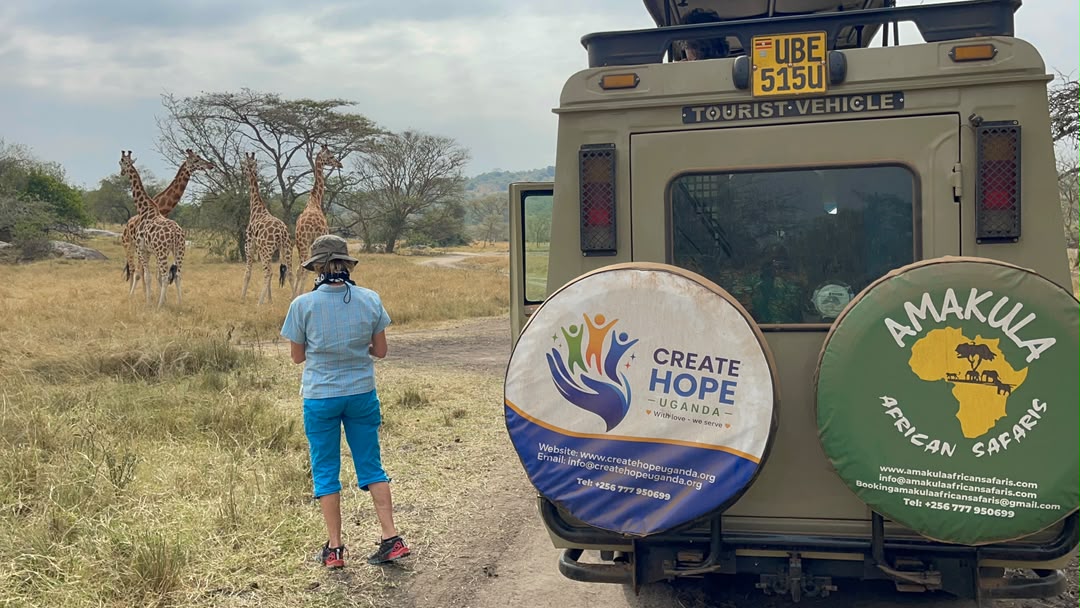
Tanzania suits travelers who want the Serengeti, Ngorongoro Crater, Tarangire and wide open plains. Kenya offers the Maasai Mara, Amboseli, Lake Nakuru and private conservancies near the Mara, with strong options for elephants, big cats, rhinos and cultural visits. Uganda and Rwanda work well for travelers who want savannah wildlife combined with gorilla or chimpanzee experiences.
Your best route depends on your main goal. Migration viewing, big cats, elephants, rhinos, photography, primates, lower visitor density and a beach extension can all lead to different choices.
Follow migration and primate seasons carefully
The Great Migration moves between Tanzania’s Serengeti and Kenya’s Maasai Mara as rain and grazing conditions change. A skilled private guide can adjust routes and timing, but no operator can promise a river crossing or a certain animal sighting. Check current migration forecasts, park rules and road conditions before booking.
Uganda’s Bwindi Impenetrable National Park, Mgahinga Gorilla National Park and Kibale National Park offer gorilla trekking and chimpanzee tracking. Rwanda’s Volcanoes National Park is known for organized mountain gorilla visits. Permits, age limits, health rules and daily spaces must be confirmed with the Uganda Wildlife Authority, Rwanda Development Board or a licensed operator.
Build Private East African Safaris Around Your Pace
Use a private vehicle for useful flexibility
A private guide and vehicle let you choose departure times, spend longer with a pride of lions and shape drives around photography or birding. You can also return to camp for a break instead of following a group schedule. Flexibility does not mean unlimited movement; guides must follow park, conservancy and wildlife rules.
Activities vary by location. Game drives are common, while guided walks, night drives, hot-air balloon flights, boat trips and horseback safaris may be offered in certain parks, conservancies or private concessions. Confirm who runs each activity and whether extra fees apply.
Keep routes realistic
Too many parks can turn a safari into a series of long transfers. Kenya routes may combine the Maasai Mara, Amboseli and Laikipia, while Tanzania often pairs Tarangire, Ngorongoro and the Serengeti. In Uganda, Kibale, Queen Elizabeth National Park and Bwindi create a strong primate and savannah route.
A short safari can focus on one habitat. A longer stay allows slower travel, rest days, more game drives and time at camp. Domestic flights may save hours on difficult roads, but schedules, weather, luggage limits and seasonal access affect every route.
Select Accommodation That Improves Private East African Safaris
Choose a location that saves drive time
Staying inside a national park can reduce early transfer times and place you near prime wildlife areas. Properties near gates may cost less or offer easier road access, while private conservancies beside the Maasai Mara can support quieter activities and different access hours. These benefits vary by property, season and local rules.
Around Ngorongoro, the Serengeti, Tarangire and Amboseli, compare the camp’s exact position rather than relying on the park name alone. A nearby lodge may still require a long drive to the habitat you want to see.
Compare camp styles and facilities
Permanent lodges usually provide predictable facilities, while tented camps offer more outdoor atmosphere and close contact with nature. Mobile camps may move with seasonal wildlife patterns, but ask whether the camp is genuinely mobile, seasonally placed or permanently built.
Check electricity, Wi-Fi, en-suite bathrooms, laundry, family rooms and accessibility. Small details affect comfort, especially when traveling with children, older guests or mobility needs. Recent reviews and clear conservation credentials can help you compare properties.
Price Private East African Safaris Before You Book
Request a complete cost breakdown
A safari quote may include accommodation, meals, a private vehicle, a professional guide, park fees, conservancy fees, airport transfers, internal flights, drinking water, taxes and emergency support. Full-board often covers set meals, while all-inclusive plans may add drinks and selected activities. Partly inclusive quotes can leave major costs for the traveler.
Ask for a day-by-day breakdown and confirm whether prices are per person, per vehicle, per night or based on double occupancy. Also check whether tips, visas, travel insurance, laundry, balloon flights and gorilla permits are separate.
Compare value, season and permits
Peak migration dates, school holidays, festive periods and limited lodge space can raise prices. Shoulder and green seasons may bring lower demand or special rates, though rain, road conditions and animal visibility vary by region. Gorilla and chimpanzee permit prices and rules can change, so verify them through official authorities.
Compare equal proposals based on camps, transfer time, vehicle quality, guide experience, conservation fees, cancellation terms and emergency support. An unusually low quote may exclude essential fees or rely on weak vehicle and safety standards.
Make Private East African Safaris Support Conservation
Look for clear conservation practices
Responsible tourism should be part of the booking decision. Ask whether a camp funds protected areas, shares revenue with communities, hires local staff, limits waste and water use, or runs renewable-energy projects. Vague claims about being “eco-friendly” offer little proof.
Research information from the International Union for Conservation of Nature, the African Travel and Tourism Association, Kenya Wildlife Service, Tanzania National Parks Authority, Uganda Wildlife Authority and Rwanda Development Board. Their rules and reports can help you assess destinations and current conservation work.
Respect wildlife and local communities
Keep legal viewing distances, avoid loud noise and never feed animals. Follow your guide’s instructions, remain in the vehicle where required and ask permission before photographing people. Cultural visits should be community-led, fairly paid and based on informed consent, rather than staged encounters that intrude on daily life.
Prepare for a Smooth Private East African Safari
Arrange health documents and suitable packing
Check passport validity, visas or electronic travel authorizations, yellow fever rules and vaccination advice with official immigration offices, embassies and qualified travel-health providers. Discuss malaria prevention with a clinician, and buy insurance covering medical evacuation, trip interruption, cancellation, baggage loss and activities such as gorilla trekking.
Pack light, neutral clothing, warm layers, sun protection, insect repellent, binoculars, sturdy shoes, a reusable bottle and a small day bag. Gorilla treks and walking safaris need waterproof layers and durable hiking footwear. Small aircraft often require soft-sided bags with strict weight and size limits.
Confirm your vehicle and emergency plan
Ask about window seating, roof design, charging points, refrigeration, first-aid supplies, radio or satellite communication and guide credentials. Confirm whether the same guide and vehicle will remain with you throughout the trip.
Before departure, get airport meet-and-greet details, a 24-hour local contact, evacuation procedures, mobile coverage, Wi-Fi limits and payment options. Good planning reduces stress when weather or road conditions change.
Conclusion
The best private East African safaris put your priorities first without ignoring park rules or natural limits. Choose Kenya, Tanzania, Uganda or Rwanda according to the wildlife, scenery and activities you want, then build a route with realistic transfers and enough recovery time.
Select camps for location and guiding quality, compare transparent quotes and verify permits before paying. Give equal weight to conservation, safety and local partnerships. When flexibility supports thoughtful travel rather than rushed park collecting, your safari feels personal, responsible and unhurried.