
Tailor-Made Safaris: Build an African Escape Around Your Travel Style
At sunrise, your guide stops beside a kopje in Tanzania. A lioness and her cubs appear below. You have time to watch, photograph, and ask questions because the day was planned around your pace, not a fixed group schedule. Later, you return to a quiet camp for lunch before choosing between a second game drive and an afternoon rest.
Tailor-made safaris give you that freedom. You can shape a trip around wildlife, culture, beaches, conservation, photography, adventure, or rest. With expert planning, your destinations, camps, activities, budget, and travel dates all support the experiences that matter most to you.
Turn a Dream Safari Into a Tailor-Made Safari
Replace Fixed Routes With Personal Priorities
Standard package tours follow set routes and schedules. A bespoke safari begins with your priorities, then builds a practical plan around them. You can choose the length of your stay, accommodation style, transport, daily rhythm, and level of privacy.
Some travelers want early starts and long game drives. Others prefer slow mornings, private villas, and one major activity each day. Families may need short transfers and child-friendly camps, while photographers may need private vehicles and extra time at sightings.
Create Space for Wildlife Encounters
The right region and travel season depend on what you hope to see. Migration-focused trips may suit Kenya and Tanzania, while Rwanda and Uganda are known for gorilla trekking. Botswana offers strong water-based safari experiences, and Zambia and Zimbabwe suit travelers who want guided walking safaris.
Birdwatchers, marine wildlife fans, and predator photographers may need a different plan. A private safari tour can also allow longer stops, quieter viewing, and more flexibility when wildlife activity changes.
Build a Tailor-Made Safari Itinerary Around Your Goals
Choose Destinations That Fit Your Safari
Start with the experience, not a famous park list. South Africa often works well for accessible private reserves, varied accommodation, and family trips. Namibia appeals to travelers who want desert scenery and wide-open spaces, while Botswana suits those seeking remote camps and boat or mokoro outings.
Kenya and Tanzania can support migration trips, big game viewing, and cultural visits. Rwanda and Uganda add forest trekking, while Victoria Falls, Cape Town, Zanzibar, Mauritius, and the Kenyan coast can extend a safari with city time or beaches.
Match Your Dates to Wildlife and Weather
Seasonality affects animal movement, rainfall, road conditions, vegetation, prices, and visitor numbers. A dry period may make wildlife easier to spot near water, while green-season travel can bring fresh scenery, young animals, and fewer visitors. Migration timing also changes by region and year.
Choose dates based on your main goals rather than assuming one month suits every destination. A safari specialist can explain local conditions, but you should confirm current travel and health guidance with official government and medical sources.
Combine Safari With Culture or the Coast
A custom safari holiday can include a community-led visit, conservation project, beach stay, or city break. Zanzibar works well after northern Tanzania, while Cape Town can add food, history, and scenery to a South African trip. Victoria Falls pairs well with nearby safari areas.
Give each place enough time to feel worthwhile. Too many flights and one-night stays can turn an exciting plan into a tiring schedule.
Personalize Comfort, Pace, and Accommodation
Select Camps That Match Your Style
Luxury safari lodges offer private rooms, strong service, and added comforts. Tented camps, mobile camps, family properties, eco-focused camps, private villas, and value-led lodges create different types of stays. The best choice depends on location, wildlife access, atmosphere, privacy, amenities, and sustainability practices.
Tell your planner about dietary needs, mobility concerns, sleep preferences, and your preferred comfort level early. A beautiful camp in the wrong location may reduce your time in the bush.
Design an Adventurous but Relaxed Pace
A good itinerary balances game drives with walking activities, internal flights, road transfers, rest days, and downtime. Limit excessive one-night stays, especially when transfers take several hours. Two or three nights at a camp usually gives you time to settle in and enjoy its setting.
Build in spare time for delayed flights, slow road conditions, or an unexpected wildlife sighting. A flexible schedule often creates better memories than a packed one.
Plan for Every Type of Traveler
Families should check age limits, child programs, room layouts, and rules for walking or boat activities. Couples may prefer secluded camps, private dinners, or honeymoon upgrades. Solo travelers need clear transfer plans, suitable room arrangements, and support between camps.
For milestone trips, ask about private guides and special celebrations. Travelers with access needs should discuss vehicles, paths, bathrooms, flights, and medical support before booking.
Add Expert-Led Activities to Your Custom Safari
Compare Private and Shared Game Drives
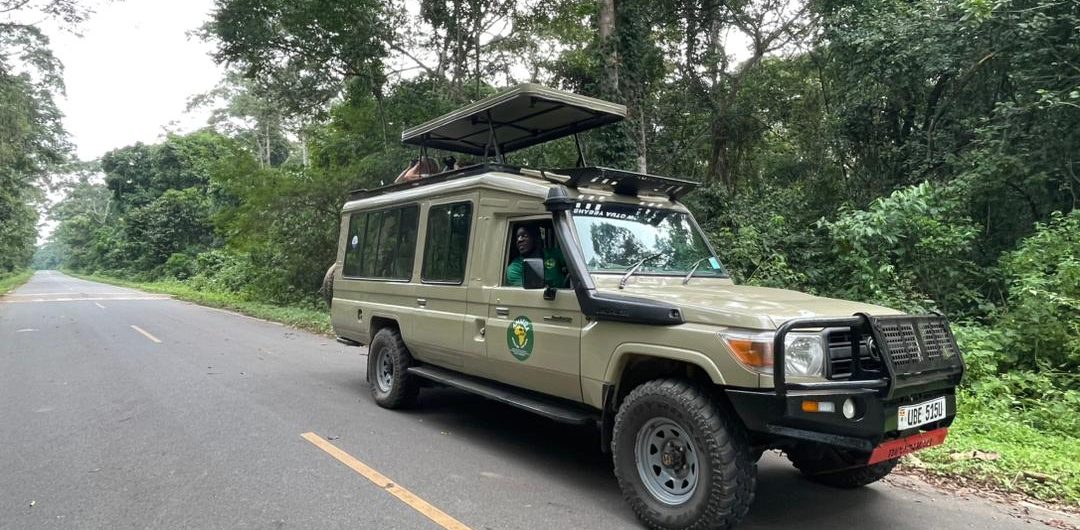
Private vehicles cost more, but they offer control over departure times, routes, photography stops, and time spent at a sighting. You also keep the same guide and can shape each day around your interests. Shared drives can reduce costs and work well for travelers who enjoy meeting others and following a set schedule.
Ask whether a private vehicle is guaranteed or shared between several bookings. The answer can change the value of the proposal.
Go Beyond the Traditional Game Drive
Depending on local rules and conditions, you may add guided bush walks, night drives, boat safaris, mokoro trips, horseback riding, hot-air balloon flights, photographic hides, fishing, birdwatching, or tracking sessions. Availability varies by park, season, operator, and conservation rules.
These activities need careful planning. Confirm permits, safety standards, guide training, weather limits, and age restrictions before adding them to your itinerary.
Choose Ethical Wildlife and Community Visits
Responsible operators put animal welfare, local jobs, habitat protection, and fair community income first. Be cautious with close-contact wildlife experiences that encourage handling, feeding, or unnatural behavior. Ask how money reaches local projects and whether the operator publishes clear sustainability practices.
Conservation visits should offer real information and respect local communities. They should not feel staged for visitors.
Make Planning Safer, Smoother, and More Cost-Effective
Set a Realistic Safari Budget
Safari prices depend on the destination, season, camp category, trip length, private vehicles, park fees, flights, specialist activities, and transfers. Share a budget range before requesting proposals. This lets a planner make useful trade-offs, such as choosing fewer regions, traveling in a different season, or mixing luxury and value-led camps.
Compare what each quote includes: meals, drinks, guides, flights, transfers, park fees, visas, insurance, gratuities, laundry, and emergency support. The lowest headline price may exclude costs you will later need to pay.
Prepare Documents, Health Plans, and Luggage
Check passport validity, visa rules, vaccination guidance, malaria advice, medication needs, and insurance requirements before departure. Travel insurance should include medical care and emergency evacuation where appropriate. Ask about luggage limits, soft-sided bags, laundry, power access, and communication between camps.
Requirements can change, so use current advice from official government agencies, airlines, and qualified medical providers. Keep copies of key documents and a clear emergency contact plan.
Review the Operator Before Booking
Look for destination knowledge, recent independent reviews, tourism memberships, licensing, local staff, and clear cancellation terms. Ask about guide qualifications, vehicle standards, supplier relationships, missed connections, road closures, illness, and emergency procedures.
A strong safari partner explains who supports you after arrival. Request a named contact, a 24-hour process for urgent problems, and a written plan for weather or flight disruptions. Responsible travel claims should include specific actions, not broad promises.
Conclusion
The best tailor-made safari is not always the most expensive or busiest. It matches your priorities with the right destinations, season, camps, activities, comfort level, and pace. Expert planning adds value by reducing poor connections, unsuitable accommodation, and rushed transfers.
Start with four details: preferred travel dates, must-have experiences, comfort level, and budget range. Take that shortlist to a reputable safari specialist and build a personalized African travel plan around what you want to remember.