
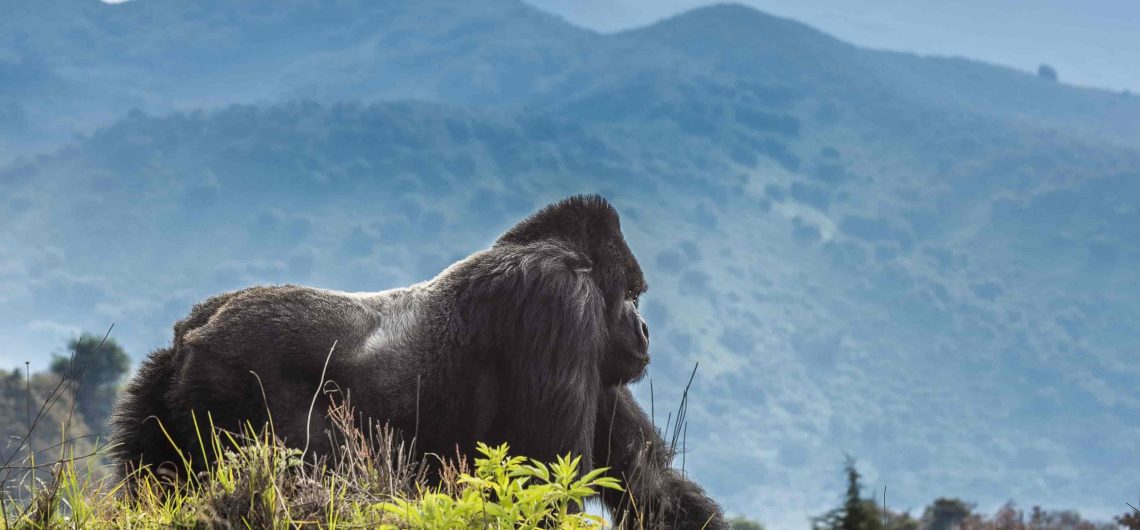
Uganda vs Rwanda Gorilla Trekking: Choose the Right Trip for Your Budget and Time
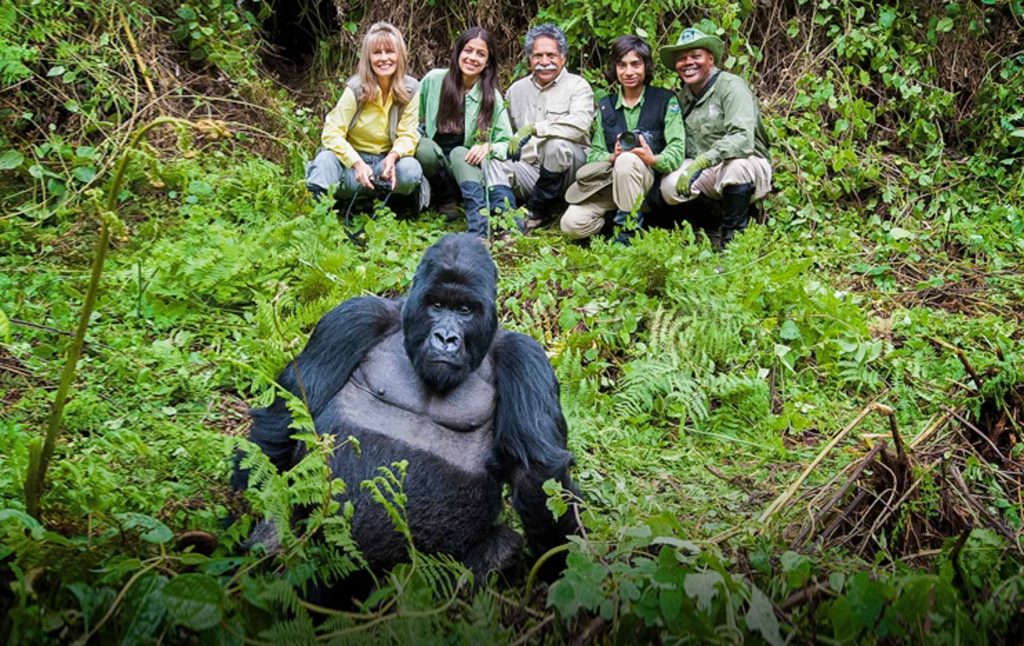
Uganda Vs Rwanda Gorilla Trekking. A gorilla trekking permit gives you a short, regulated visit with mountain gorillas deep in Afromontane forest. After hiking through thick vegetation and steep hills, you may spend about one hour near a habituated group, following strict rules that protect both people and wildlife.
Uganda and Rwanda offer excellent gorilla encounters, but the trips feel different. Uganda usually suits travelers seeking lower permit costs, more trekking areas, and a wider safari plan. Rwanda often fits visitors who value shorter transfers, polished services, and a compact itinerary. Permit prices, group limits, visiting time, seasonal rules, and entry requirements can change, so confirm them with the Uganda Wildlife Authority or Rwanda Development Board before booking.
Uganda vs Rwanda Gorilla Trekking Costs
The permit is only one part of the price. Accommodation, road transfers, flights, meals, and the number of nights you need can change the final cost by thousands of dollars.
Uganda Usually Offers the Lower-Cost Permit
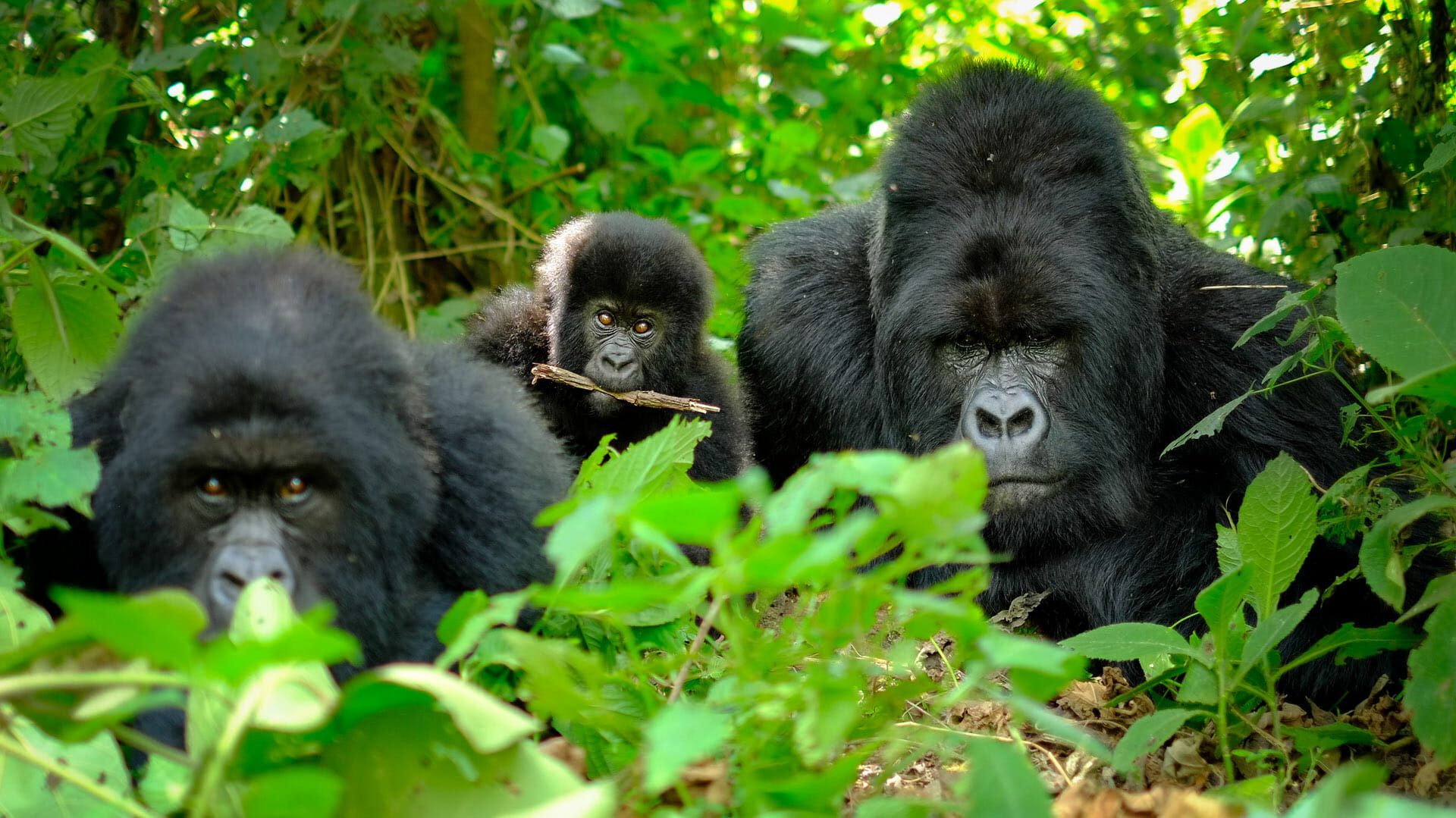
Uganda’s commonly published gorilla permit price is US$800 per person, though the Uganda Wildlife Authority may change its rates. The permit generally covers park entry, ranger guidance, gorilla tracking, and the regulated viewing session. It does not cover lodging, transfers, meals, visas, flights, insurance, or porter services.
Uganda also offers the Gorilla Habituation Experience, commonly advertised at US$1,500 per person. It allows a longer forest visit than standard trekking, but availability, group size, eligibility, and current rules must be confirmed before payment.
Rwanda Charges More but May Cut Transfer Costs
Rwanda’s commonly published permit price is US$1,500 per person, subject to confirmation with the Rwanda Development Board. Volcanoes National Park is relatively close to Kigali, which can reduce driving time, airport transfer costs, and the need for extra nights.
That higher permit price can make sense for travelers with limited time. Compare the complete trip cost, including a private vehicle, hotel nights, road travel, and flights, rather than comparing permit prices alone. Permit fees support conservation and tourism management, but current authorities should be consulted for details on how funds are allocated.
Build the Full Gorilla Trekking Budget
Set aside money for international or domestic flights, airport transfers, a 4×4 vehicle, accommodation, meals, travel insurance, visas, and cultural activities. Porter fees also belong in the plan. A porter can help with steep ground and wet paths while providing direct income to someone living near the park.
Permit availability often controls the rest of the itinerary. Confirm the permit date and trekking area before paying for nonrefundable hotels or transport. Standard gorilla visits are commonly limited to one hour, and groups are often capped at eight visitors, but confirm the current rules and any seasonal pricing before publication or purchase.
Match Gorilla Trekking to Your Trail Preferences
Both countries involve high-altitude forest walks. Your permit price does not predict the trail difficulty, because gorilla groups move each day and rangers cannot guarantee a short route.
Uganda Offers More Trekking Areas and Route Choice
Uganda has two gorilla destinations: Bwindi Impenetrable National Park and Mgahinga Gorilla National Park. Bwindi is divided into sectors commonly known as Buhoma, Ruhija, Rushaga, and Nkuringo. Your permit is tied to a sector, so choose it with your lodge and transfer route in mind.
Bwindi has dense forest, muddy paths, steep ridges, and changing trek times. The sector affects the trail character, accommodation choices, driving plan, and access to habituated groups. Mgahinga offers a smaller park setting, with volcanic slopes and bamboo forest.
Rwanda Keeps Most Gorilla Tourism in One Park
Rwanda’s main gorilla destination is Volcanoes National Park. Its setting includes volcanic slopes, bamboo zones, and forested ridges, with elevation changes that can make the walk demanding.
The more central setup can make lodging, guiding, and transport easier to arrange. Still, the daily trek depends on the gorilla group’s location. A higher permit price does not guarantee an easier hike or a closer encounter.
Prepare for Wet, Steep Forest Conditions
Both destinations can bring rain, slippery ground, thick plants, and hard climbs. Wear waterproof hiking boots, layered clothes, a rain jacket, gardening gloves, gaiters, and a small daypack. Carry water, snacks, insect repellent, and a camera with limited gear.
Ask for a porter and tell park staff about fitness limits before the trek begins. Follow ranger instructions, keep the required distance, avoid touching gorillas, and never trek while sick. Respiratory illness can place habituated gorillas at serious risk.
Choose the Best Country for Your African Itinerary
Gorilla trekking can fill a short wildlife break or anchor a longer safari. The best choice depends on how many parks you want to visit and how much road travel you can handle.
Uganda Adds Naturally to a Wider Safari
A Uganda trip can include Queen Elizabeth, Kibale, Murchison Falls, Lake Mburo, and Mgahinga Gorilla National Park. Depending on the route, you can add chimpanzee trekking, game drives, boat trips, birdwatching, and forest walks.
This wider choice comes with longer transfers and more planning. Wildlife sightings are never guaranteed, including gorillas, chimpanzees, lions, or elephants. Uganda works best when you have enough time for road travel between parks.
Rwanda Fits Compact and Premium Trips
 Rwanda suits travelers who want gorilla trekking near Kigali, along with city visits, cultural activities, and genocide memorial visits. Akagera National Park adds savanna wildlife, while Nyungwe National Park offers forest and primate experiences. Neither park is close to Volcanoes National Park, so adding them requires more nights and road travel.
Rwanda is known for organized roads, compact planning, and high-end lodge choices. A shorter itinerary may be more efficient, but it is not always cheaper once the US$1,500 permit is included.
Let Your Available Time Decide
For a short city-and-gorilla trip, Rwanda often reduces overland travel from Kigali. A weeklong gorilla-and-safari plan can work in either country, depending on flights and transfer times. Longer trips favor Uganda when you want several parks, varied scenery, or the lower permit cost.
Crossing between Uganda and Rwanda requires current checks on immigration rules, vehicle documents, and permit arrangements. Do not create a cross-border plan until both countries confirm entry and transport requirements.
Follow Gorilla Rules and Support Nearby Communities
Gorilla trekking stays tightly controlled because people and gorillas can pass infections to each other. The rules also reduce stress for groups that have become used to human visitors.
Strict Rules Protect Gorillas and Visitors
Keep the required distance, speak softly, avoid flash photography, and follow the ranger’s position instructions. Do not eat near gorillas, touch them, or try to attract their attention. Sick travelers should not trek, even if they have already paid.
Limited permits help control pressure on gorilla groups and their forest habitat. Check the latest visitor guidance from the Uganda Wildlife Authority, Rwanda Development Board, and recognized conservation groups before departure.
Responsible Visitors Help Local Residents
Tourism supports rangers, guides, drivers, lodge workers, porters, and community businesses. Hiring a porter, buying local crafts, and choosing community-led activities can direct more spending to people near the parks.
Ask tour operators how they employ local staff and manage waste, water, and park access. Use a quiet camera, avoid sudden movement, and never pressure a guide to approach a gorilla for a better photograph. Drone use near protected areas requires permission and should never be assumed to be legal.
Decide Whether Uganda or Rwanda Is Right for You
Your budget, available time, fitness, and wider travel plans should guide the decision. Both countries can deliver a powerful encounter, but neither can promise a specific group, easy trail, or perfect weather.
Choose Uganda for Value and Variety
Uganda is the stronger fit if you want a lower standard permit price, several trekking sectors, and a broader safari. It suits travelers who have time for longer drives and want to combine gorillas with chimps, game drives, boat trips, or birding.
The Gorilla Habituation Experience may appeal to visitors who want more forest time. Confirm its current price, availability, participation limits, and rules before building a trip around it.
Choose Rwanda for Access and Shorter Planning
Rwanda works well when a straightforward transfer from Kigali matters more than the permit price. It suits premium travelers who prefer a compact plan, strong lodge choices, and organized transport.
The trek can still involve steep ground, rain, and high-altitude exertion. Prepare for a demanding hike even when the driving plan is easy.
Use This Booking Checklist
- Confirm the permit date, park, trekking sector, viewing time, group limit, and cancellation terms.
- Check passport validity, visa rules, health guidance, insurance, and vaccination requirements.
- Ask what the quote includes: transport, meals, lodging, park fees, guides, and porter support.
- Confirm the vehicle type, lodge location, emergency plan, and operator authorization.
- Review current information from the Uganda Wildlife Authority, Rwanda Development Board, park authorities, and your government before departure.
Conclusion
Uganda is typically the better choice for lower permit costs, wider trekking options, and longer safari itineraries. Rwanda often wins for shorter transfers, compact planning, and premium services near Kigali.
Neither destination guarantees an easy hike or a fixed gorilla encounter. Compare the complete route and trip cost, not the permit alone. Then book through an authorized operator after checking the latest official regulations, entry rules, and permit availability.
Book Your Gorilla Trekking In Uganda and Rwanda With Us:
Ready to experience Uganda’s incredible wildlife, gorillas, culture, and adventure? Amakula African Safaris offers carefully planned and tailor-made gorilla safari packages designed around your travel dates, interests, and budget.
Explore our Uganda Gorilla Safari Packages and choose your perfect adventure. Contact our safari experts today to check availability and start planning your unforgettable journey through Uganda.
Top Selling Africa Safari Holidays in 2027/2028
- 14 days Kenya & Uganda wildlife and Gorilla tracking safari
- 3 Days Uganda Gorilla Trekking & Wildlife Experience
- 14 Days Best Of Uganda Big 5 safari with Primates & Tree
- 5-Day Best Gorilla Trekking Safari In Uganda
- 7-Day Murchison Falls, Chimp Tracking & Gorilla Trekking
- 3-Days safari to Murchison Falls National Park
- 15-Day Gorilla Safari And Wildlife In Uganda
- 12-Day Rwanda and Uganda Gorilla Luxury Tour
- 14 DAYS UGANDA –RWANDA GORILLA EXPERIENCE
- 21 Days Rwanda, Congo And Uganda Gorilla Experience
- 21 Days Rwanda, Congo And Uganda Gorilla Experience Safari
- 10-Days Uganda And Rwanda Wildlife And Primate Safari
- 16 Days best of African safari to Rwanda and Uganda
- 4-Day Gorillas and Golden Monkeys Safari
- 3-Days Uganda mountain gorilla trekking safari
- 15-Day gorilla safari and wildlife in Uganda
- 6-Day Rwanda and Uganda Bwindi gorilla experience safari
- 14 Days|13 Nights Best of Uganda and Rwanda wildlife
- 3-Day Murchison Falls National Park and Ziwa Rhino sanctuary
- 15 Days-Gorilla Safari and Wildlife in Uganda
- 10 Days-Best of Uganda Ideal Primate tour
- 10 Days-Gorillas and Chimpanzees wildlife Uganda
- 10 Days-Uganda Gorilla Safari, Chimpanzee and Wildlife
- 8 Days-Best of Uganda Safaris with Gorillas
- 7 Days-Queen Elizabeth Gorillas Trekking In Bwindi and Lake
- 7 Days- Around Lake Mburo National Park
- 5-Days-Exciting Primates Adventure Safari in Uganda