
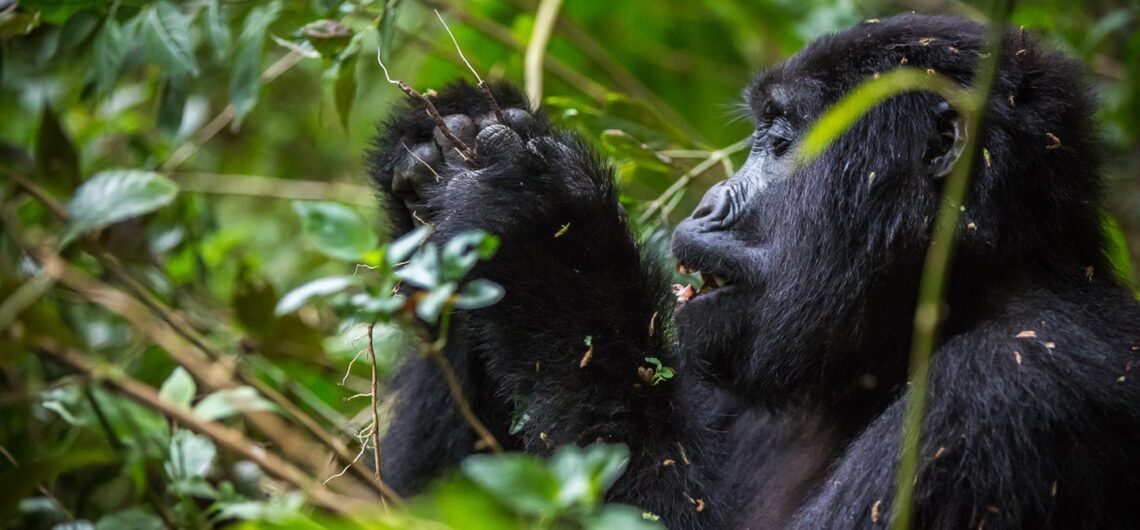
Mountain gorillas face a tough fight to survive. Only about 1,000 remain in the wild, mostly in Uganda’s misty forests. If you plan a trek in 2026, knowing the gorilla permit costs in USD matters right away. It helps you budget for this once-in-a-lifetime trip. Uganda stands out as a top spot for these encounters. Bwindi Impenetrable National Park and Mgahinga Gorilla National Park host most groups. Picture yourself hiking through thick vines to meet a silverback up close. That bond with nature changes how you see the world.
Section 1: Understanding the Gorilla Permit Price Landscape for 2026
Official 2026 Gorilla Permit Fee Breakdown
The standard gorilla permit for foreign non-residents in 2026 costs $800 USD. This price comes from Uganda Wildlife Authority updates based on past rises. In 2023, it jumped from $600 to $700. Experts expect another bump to cover rising conservation needs. Book early to lock in this rate before any last-minute changes. Permits sell out fast, so check the UWA site for confirmations.
This fee grants you one hour with a gorilla family. It includes basic tracking support from rangers. Remember, prices stay fixed once announced, but demand drives the rush.
Differentiating Permit Categories and Their Costs.
Permit prices vary by where you live. Foreign non-residents pay the full $800 USD. Foreign residents in East Africa get a break at $700 USD. East African residents drop to $150 USD, making it more affordable for neighbors. Ugandan citizens pay just $50 USD to encourage local visits.
Habituation treks offer a longer stay. These cost $1,500 USD for non-residents in 2026. They let you watch gorillas for four hours as researchers train them to humans. Standard treks stick to one hour. Pick based on your time and budget.
Foreign Non-Resident: $800 USD – For most international visitors.
Foreign Resident: $700 USD – Proof of residency required.
East African Resident: $150 USD – ID from Kenya, Rwanda, or Tanzania.
Ugandan Citizen: $50 USD – National ID needed.
The Impact of Permit Fees on Tourism Revenue and Conservation
Permit money fuels big changes. Uganda Wildlife Authority uses 20% for park upkeep. Another chunk goes to local villages near Bwindi. This cash builds schools and fights poverty that leads to poaching.
Your fee supports anti-poaching teams. They patrol forests to keep gorillas safe. In 2024, these efforts helped gorilla numbers grow by 5%. It’s not just a trek; it’s your part in saving a species.
Tourism brings in millions yearly. Fees make up half of that for conservation. Uganda balances visitor joy with wildlife protection this way.
Section 2: Beyond the Permit: Total Cost Considerations for a 2026 Trek
Mandatory and Optional Associated Trekking Expenses
The permit covers the basics, but other costs add up. Park entry fees run $40 USD per day for foreigners. Guides expect tips of $20-30 USD each after the trek. Local taxes might tack on 18% VAT.
Treks last a full day, from briefing to return. Start times vary by sector, but expect 2-7 hours hiking. No extra fees for longer walks, but pack water and snacks yourself.
Porter hire costs $15-20 USD. They carry your gear through rough paths. It’s optional but smart for steep climbs.
Accommodation Tiers and Budgeting for Luxury vs. Mid-Range
Stay near the parks to cut travel time. In Buhoma sector of Bwindi, mid-range lodges cost $150-250 USD per night. Luxury spots like gorilla sanctuaries hit $400-600 USD.
Rushaga area offers similar options. Budget camps start at $100 USD, with shared baths. For comfort, pick places with views of the forest.
Internal transport matters too. A private driver from Kampala runs $300-500 USD round trip. Scheduled shuttles cost $50-100 USD but fill up quick.
Budget: $100-150 USD/night – Basic tents or guesthouses.
Mid-Range: $150-300 USD/night – En-suite rooms with meals.
Luxury: $400+ USD/night – Private balconies and guided walks.
Actionable Tip: Strategic Booking for Cost Savings
Travel in low season from March to May or September to November. Fewer crowds mean better deals on permits and stays. Save up to 20% off peak rates.
Bundle your trip with a safari package. Operators combine gorilla treks with game drives for $2,500 USD total. It spreads out the permit cost.
Book through trusted agents. They spot group rates or last-minute spots. Aim for all-inclusive to avoid surprise fees.
Section 3: Securing Your 2026 Gorilla Permit: Application and Timeline
The Application Process Through Uganda Wildlife Authority (UWA)
Start by visiting the UWA website or a licensed tour operator. Submit your request online with dates and group size. Direct bookings work, but operators handle paperwork for a fee.
You’ll need a passport copy and proof of yellow fever vaccine. For residents, add residency docs. UWA reviews apps in 48 hours.
Pay via bank transfer or card. Get a confirmation email with your slot. Treks happen rain or shine, so prepare.
Critical Timing: How Far in Advance to Book for 2026
Demand stays high year-round. Book 12 to 18 months ahead for prime slots. January 2026 fills by mid-2025.
Waitlists exist for cancellations. Check weekly if your date slips. Peak months like July see 90% bookings early.
Sectors like Nkuringo book fastest. Pick Mgahinga for smaller groups and easier access.
Understanding Permit Validity and Transfer Policies
Permits last one day only. Use it or lose it—no extensions. Dates tie to your name, so no transfers.
Refunds rarely happen. Only severe weather cancels, with rescheduling options. Buy travel insurance to cover trips.
Strict rules keep things fair. Spot poachers or resellers face bans.
Section 4: Permit Types for Specialized Experiences in 2026
Gorilla Habituation Experience (GHE) Permits vs. Standard Treks
GHE lets you spend four hours with gorillas. It costs $1,500 USD for non-residents in 2026, double the standard $800. You see more behaviors, like family play.
Standard treks limit you to one hour. GHE suits enthusiasts who want depth. Both need fitness for hikes.
Rushaga sector in Bwindi hosts most GHE groups. Nkuringo offers a few. Check availability when booking.
Permits for Researchers, Media, and Non-Trekking Visitors
Researchers get special access. Apply for research permits at half price—$400 USD. Submit project details to UWA.
Media crews need approval too. Documentary teams pay $500 USD per person. Include equipment lists.
Non-trekkers can’t join groups. But lodges offer gorilla talks for $20 USD. It’s a way to learn without the hike.
Section 5: Post-Trek Commitments and Conservation Contribution
Mandatory Insurance and Health Requirements for 2026 Treks
Travel insurance covers evacuations and medical needs. UWA requires proof before your trek. Policies cost $50-100 USD for a week.
Health checks include a doctor’s note if you have conditions. No recent COVID rules, but vaccines stay key. Fever or coughs mean no go.
Pack meds for altitude and bugs. Treks reach 7,000 feet, so train ahead.
The Tangible Impact of Your 2026 Permit Investment
Fees fund 80% of Bwindi’s budget. In 2024, $5 million went to patrols that stopped 200 poaching tries. Communities got $1 million for farms.
Gorilla numbers rose 4% last year thanks to this. Your dollar plants trees and trains rangers. Villages near Mgahinga built 10 new wells.
It’s a chain reaction. Tourists like you keep the forests alive for generations.
Conclusion: Finalizing Your Budget for an Unforgettable 2026 Gorilla Adventure
The 2026 gorilla permit price of $800 USD for foreign non-residents is a key number to note. It forms the heart of your budget, but add $500-1,000 for extras like stays and transport. This investment unlocks a rare wildlife bond.
Plan now—book through a solid operator 12 months out. Total trips run $2,000-5,000 USD per person. Every step aids conservation.
Ready for the trek? Get in Touch with our safari planner to add this to your Rwanda safari experience.