
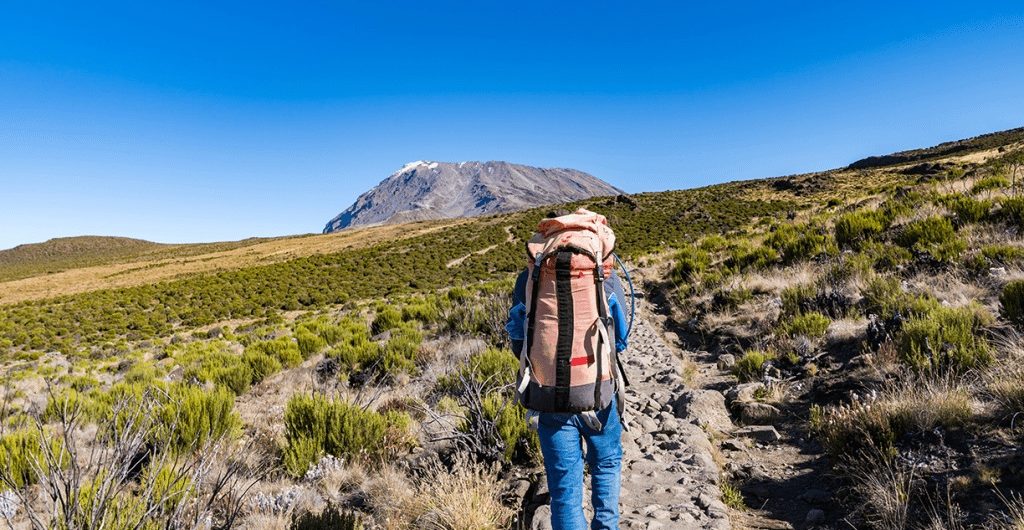
Many travelers planning Kenya Safaris and Tanzania Safaris frequently ask, What gear is required for Kenya-Tanzania hiking safaris? Unlike traditional game drives, hiking safaris allow visitors to experience East Africa’s wilderness on foot, exploring scenic landscapes, wildlife habitats, forests, mountains, and cultural sites at a slower, more immersive pace. Whether trekking through the foothills of Mount Kenya, exploring the Ngorongoro Highlands, walking in Amboseli, or hiking along the Great Rift Valley, having the right Kenya-Tanzania hiking safari gear is essential for safety, comfort, and enjoyment.
At Amakula African Safaris, we help travelers prepare for unforgettable hiking adventures by providing expert guidance on the best gear for East Africa hiking safaris. Proper equipment not only enhances your trekking experience but also ensures you are well-equipped for changing weather conditions, uneven terrain, and extended walks through some of Africa’s most spectacular wilderness areas.
Why Proper Hiking Safari Gear Matters
A well-prepared traveler enjoys every aspect of a hiking safari. Unlike vehicle-based safaris, walking safaris involve direct interaction with nature, requiring reliable equipment that provides protection, mobility, and convenience. The right hiking safari packing list enables travelers to comfortably explore wildlife habitats while remaining safe during long-distance walks.
Whether participating in Kenya Wildlife Safaris, Tanzania Wildlife Safaris, Kenya Birding Safaris, or combining hiking with Uganda Gorilla Trekking, quality gear enhances wildlife observation while minimizing fatigue and discomfort. Amakula African Safaris recommends investing in durable, lightweight equipment specifically designed for outdoor adventures.
Essential Footwear for Kenya-Tanzania Hiking Safaris
The most important item on any Kenya-Tanzania hiking safari gear checklist is a dependable pair of hiking boots. Comfortable, waterproof, and breathable boots provide excellent ankle support while protecting your feet from rough trails, rocks, mud, and uneven terrain.
Travelers should break in their hiking boots before departure to avoid blisters during long walks. Moisture-wicking hiking socks also improve comfort and reduce friction. For shorter nature walks around safari lodges, lightweight trail shoes or trekking sandals may also be useful.
Quality footwear becomes especially important when exploring mountain trails, birding routes, or walking through national parks where terrain varies considerably.
Clothing for East African Hiking Safaris
Choosing the right safari hiking clothing helps travelers remain comfortable throughout changing temperatures experienced during East African hikes. Layering is highly recommended because mornings can be cool while afternoons become warm.
Recommended clothing includes:
- Lightweight moisture-wicking shirts
- Long-sleeved safari shirts for sun and insect protection
- Quick-drying hiking trousers
- Waterproof rain jacket
- Warm fleece for early morning hikes
- Wide-brim safari hat
- Sunglasses with UV protection
- Lightweight gloves for cooler elevations
Neutral-colored clothing such as khaki, olive, grey, and brown is ideal since bright colors may disturb wildlife and dark colors can attract insects.
These clothing choices make Kenya Hiking Safari Essentials suitable for wildlife viewing, birdwatching, and extended trekking adventures.
Backpack and Trekking Equipment
Every traveler should carry a lightweight daypack that comfortably holds daily necessities without becoming cumbersome. A quality hiking backpack should include padded shoulder straps, hydration compatibility, and waterproof protection.
Important trekking gear for African safaris includes:
- Lightweight hiking backpack
- Trekking poles or walking sticks
- Dry bags for electronics
- Waterproof backpack cover
- Headlamp with spare batteries
- Multi-tool
- Power bank
- Personal identification documents
These items allow hikers to remain prepared throughout full-day excursions across Kenya and Tanzania’s diverse landscapes.
Hydration and Nutrition Essentials
Maintaining hydration is one of the most important aspects of hiking in East Africa. Warm temperatures increase fluid loss, making adequate water supplies essential throughout every hike.
Recommended hydration gear includes:
- Refillable water bottles
- Hydration bladder or hydration pack
- Electrolyte tablets
- High-energy snacks
- Trail mix
- Energy bars
- Dried fruits
Proper hydration supports endurance while reducing fatigue during extended hiking safaris.
Navigation and Safety Equipment
Although guided hikes are led by experienced professionals, carrying basic navigation and safety equipment is always advisable.
Essential safety gear includes:
- GPS device or offline navigation app
- Topographic maps
- Compass
- First aid kit
- Insect repellent
- Sunscreen
- Lip balm with SPF
- Emergency whistle
- Personal medications
Professional guides from Amakula African Safaris accompany all hiking excursions, ensuring travelers safely navigate trails while enjoying close wildlife encounters.
Wildlife Observation Equipment
One of the greatest advantages of hiking safaris is the opportunity to observe wildlife from unique perspectives. Carrying quality observation equipment significantly enhances the experience.
Recommended wildlife viewing gear includes:
- Binoculars
- DSLR or mirrorless camera
- Telephoto lens
- Camera cleaning kit
- Spare memory cards
- Extra batteries
- Wildlife field guide
- Bird identification guide
These tools are particularly valuable during Kenya Birding Safaris, Tanzania Wildlife Safaris, and photography-focused expeditions.
Weather Protection for Hiking Safaris
East African weather can change rapidly depending on altitude and season. Travelers should always prepare for both sunshine and occasional rainfall.
Weather protection gear includes:
- Lightweight rain jacket
- Waterproof trousers
- Waterproof backpack cover
- Quick-drying towel
- Sun hat
- Cooling neck gaiter
Being prepared for changing weather conditions ensures uninterrupted hiking adventures throughout Kenya and Tanzania.
Cultural Visits During Hiking Safaris
Many hiking itineraries incorporate visits to local communities, making cultural awareness equally important. Comfortable yet modest clothing is recommended when participating in Kenya Cultural Safaris or Tanzania Cultural Safaris.
Travelers should also consider carrying:
- Lightweight scarf
- Reusable shopping bag
- Notebook for cultural observations
- Local currency for crafts and souvenirs
These items contribute to respectful interactions while supporting local communities.
Best Packing Tips for Kenya-Tanzania Hiking Safaris
Packing efficiently improves mobility and reduces unnecessary weight during trekking adventures. Travelers should prioritize lightweight, multi-purpose gear while avoiding excessive luggage.
A practical East Africa hiking checklist includes:
- Hiking boots
- Hiking socks
- Moisture-wicking clothing
- Rain jacket
- Hat
- Sunglasses
- Hiking backpack
- Trekking poles
- Water bottles
- Snacks
- Binoculars
- Camera
- First aid kit
- Sunscreen
- Insect repellent
- Power bank
- Personal medications
- Travel documents
Following this multi-day hiking safari packing list ensures travelers remain fully prepared for unforgettable adventures across Kenya and Tanzania.
Why Choose Amakula African Safaris for Hiking Expeditions?
Amakula African Safaris carefully plans every hiking adventure to ensure guests have the appropriate Kenya-Tanzania hiking safari gear, professional guidance, and comprehensive logistical support. Whether joining Kenya Safaris, Tanzania Safaris, Kenya Wildlife Safaris, Tanzania Wildlife Safaris, Kenya Birding Safaris, Tanzania Cultural Safaris, or combining your journey with Uganda Gorilla Trekking, our experienced guides help you enjoy every step safely and comfortably.