
Is Hiking Safe in Wildlife Parks?
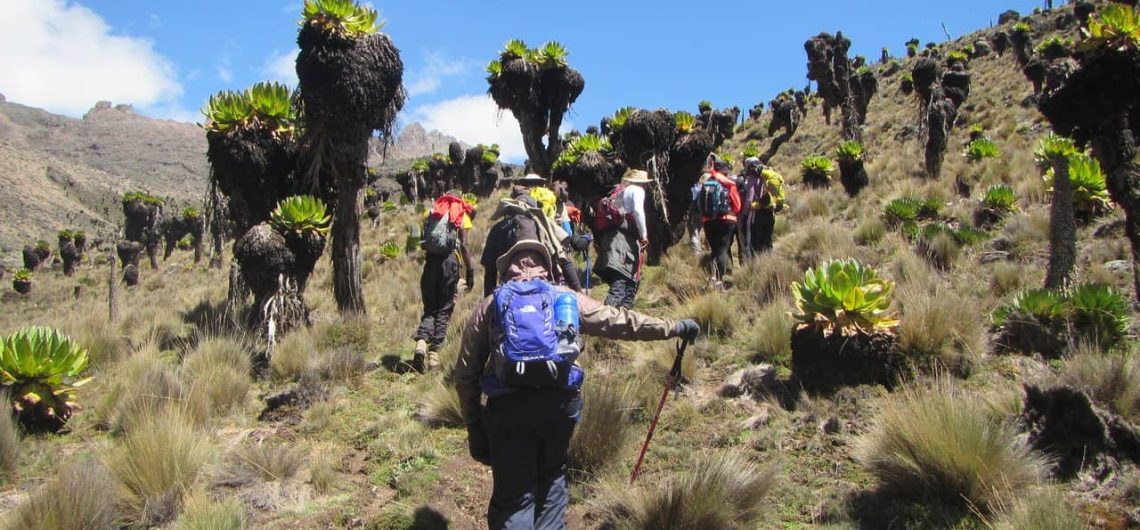
Is hiking safe in wildlife parks? The answer is yes—provided that hikes are conducted under the guidance of experienced professionals and according to established park regulations. At Amakula African Safaris, our Kenya Hiking Safaris and Tanzania Hiking Safaris are carefully designed to prioritize visitor safety while delivering unforgettable encounters with wildlife, breathtaking landscapes, and authentic cultural experiences.
Unlike traditional game drives, Walking Safaris allow travelers to experience the sights, sounds, and scents of the African wilderness at ground level. Guided by highly trained park rangers and professional safari guides, visitors gain a deeper appreciation of wildlife behavior, ecosystems, and conservation while remaining safe throughout the journey.
Why Guided Hiking in Wildlife Parks Is Safe
The safety of hiking in wildlife parks depends on professional planning, experienced guides, and strict compliance with park regulations. Every hiking adventure offered by Amakula African Safaris follows carefully selected routes that minimize risks while maximizing wildlife viewing opportunities.
Whether you’re exploring Kenya Wildlife Safaris in the Maasai Mara or enjoying Tanzania Wildlife Safaris in the Ngorongoro Conservation Area, expert guides continuously monitor wildlife movements, weather conditions, and trail safety.
Before every hike, visitors receive comprehensive safety briefings covering:
- Wildlife behavior and safe viewing distances
- Emergency communication procedures
- Proper hiking etiquette
- Trail safety guidelines
- Group movement protocols
- What to do during unexpected wildlife encounters
These precautions make hiking one of the safest and most educational safari activities in East Africa.
Professional Guides Make the Difference
Professional guides are the foundation of safe hiking experiences.
During Kenya Safaris and Tanzania Safaris, guides possess extensive knowledge of:
- Animal behavior
- Wildlife tracking techniques
- Bird identification
- First aid and emergency response
- Local geography
- Conservation regulations
Their ability to interpret footprints, warning calls from birds, fresh animal tracks, and vegetation disturbances allows them to avoid potentially dangerous situations long before visitors notice them.
Guests are never allowed to hike alone in wildlife parks, ensuring maximum safety throughout the experience.
Wildlife You May Encounter
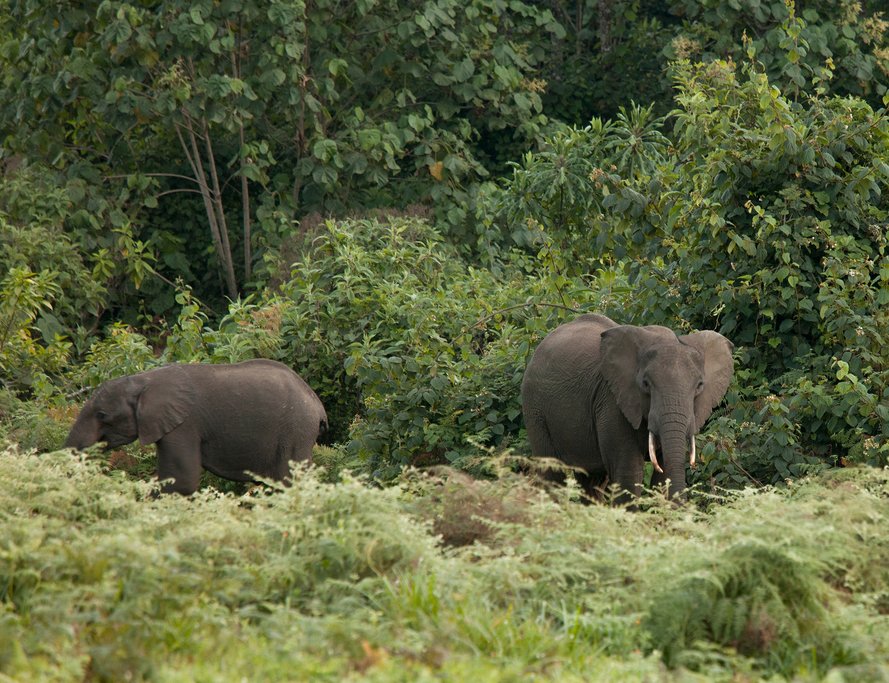
One of the greatest attractions of Walking Safaris is observing wildlife from a respectful distance while learning about their natural behaviors.
Depending on the destination, hikers may see:
- Elephants
- Giraffes
- Zebras
- Buffaloes
- Antelopes
- Warthogs
- Hippos (from designated viewpoints)
- Primates
- Hundreds of bird species
On Kenya Birding Safaris and Tanzania Birding Safaris, hikers often encounter colorful kingfishers, hornbills, crowned cranes, bee-eaters, eagles, and numerous migratory birds.
Rather than approaching wildlife, guides position visitors at safe observation distances that protect both animals and guests.
Best Wildlife Parks for Hiking
Kenya Hiking Safaris
Kenya offers exceptional hiking experiences in protected landscapes where walking is permitted.
Popular hiking destinations include:
- Maasai Mara Conservancies
- Mount Kenya National Park
- Hell’s Gate National Park
- Aberdare National Park
- Lake Naivasha
- Chyulu Hills
These destinations combine spectacular scenery with excellent wildlife viewing and cultural experiences.
Many Kenya Best Safaris combine guided hikes with game drives, birdwatching, and cultural visits to Maasai communities.
Tanzania Hiking Safaris
Tanzania provides equally remarkable opportunities for guided hiking.
Top destinations include:
- Ngorongoro Conservation Area
- Arusha National Park
- Serengeti walking zones
- Mount Kilimanjaro National Park
- Mount Meru
- Usambara Mountains
These locations showcase volcanic landscapes, forests, open savannahs, waterfalls, and abundant wildlife.
Many travelers combine Tanzania Hiking Safaris with the world-famous Tanzania Great Migration, creating a diverse safari itinerary filled with unforgettable experiences.
Cultural Experiences Along the Trails
Hiking in East Africa is about more than wildlife.
Many guided walks include visits to indigenous communities where travelers learn about:
- Traditional livestock keeping
- Medicinal plants
- Wildlife tracking
- Local conservation practices
- Traditional dances
- Handmade crafts
During Kenya Cultural Safaris, guests often interact with Maasai communities, while Tanzania Cultural Safaris may include visits to Maasai or Hadzabe communities, providing deeper insight into cultures that have lived alongside wildlife for centuries.
Essential Hiking Safety Tips
Visitors can further enhance their safety by following a few simple guidelines:
- Always follow your guide’s instructions.
- Stay with your group at all times.
- Maintain safe distances from wildlife.
- Wear sturdy hiking boots.
- Carry sufficient drinking water.
- Dress in neutral-colored clothing.
- Avoid making loud noises.
- Never feed wild animals.
- Carry sunscreen and insect repellent.
- Report any medical conditions before the hike.
These practices contribute to safe and enjoyable hiking experiences throughout East Africa.
Best Time for Wildlife Park Hiking
Choosing the right season significantly improves hiking conditions.
Kenya
The best period for Kenya Hiking Safaris is from June to October, when dry trails, cooler temperatures, and abundant wildlife provide excellent hiking conditions.
Tanzania
For Tanzania Hiking Safaris, June through September offers comfortable weather, excellent wildlife viewing, and ideal photography opportunities across the Serengeti, Ngorongoro, and surrounding conservation areas.
Combining Hiking with Other Safari Experiences
Many visitors enhance their adventure by combining hiking with additional safari activities, including:
- Kenya Wildlife Safaris
- Tanzania Wildlife Safaris
- Kenya Birding Safaris
- Tanzania Birding Safaris
- Game drives
- Hot air balloon safaris
- Cultural tours
- Photography safaris
- Uganda Gorilla Trekking
- Chimpanzee tracking
These multi-country itineraries provide a comprehensive East African wildlife experience.
How to Reach the Hiking Destinations
Most hiking destinations are easily accessible through East Africa’s major international airports.
For Kenya Safaris, travelers typically arrive via Nairobi before transferring by road or domestic flight to parks such as the Maasai Mara, Mount Kenya, or Hell’s Gate.
For Tanzania Safaris, arrivals through Kilimanjaro International Airport or Arusha Airport provide convenient access to Arusha National Park, Ngorongoro Conservation Area, Serengeti National Park, and other premier hiking locations.
Amakula African Safaris manages all logistics, including airport transfers, accommodation, park permits, transportation, and guided hiking excursions.
Why Choose Amakula African Safaris?
Amakula African Safaris specializes in professionally guided Kenya Hiking Safaris, Tanzania Hiking Safaris, Walking Safaris, Kenya Wildlife Safaris, and Tanzania Wildlife Safaris that prioritize safety, conservation, and exceptional guest experiences. Our experienced guides, personalized itineraries, quality accommodations, and commitment to responsible tourism ensure every traveler enjoys East Africa’s spectacular wildlife and landscapes with complete confidence. Whether you seek family-friendly nature walks, challenging mountain hikes, birdwatching adventures, or multi-country safari experiences that include Uganda Gorilla Trekking, we deliver unforgettable journeys that combine adventure, education, and authentic African hospitality.