
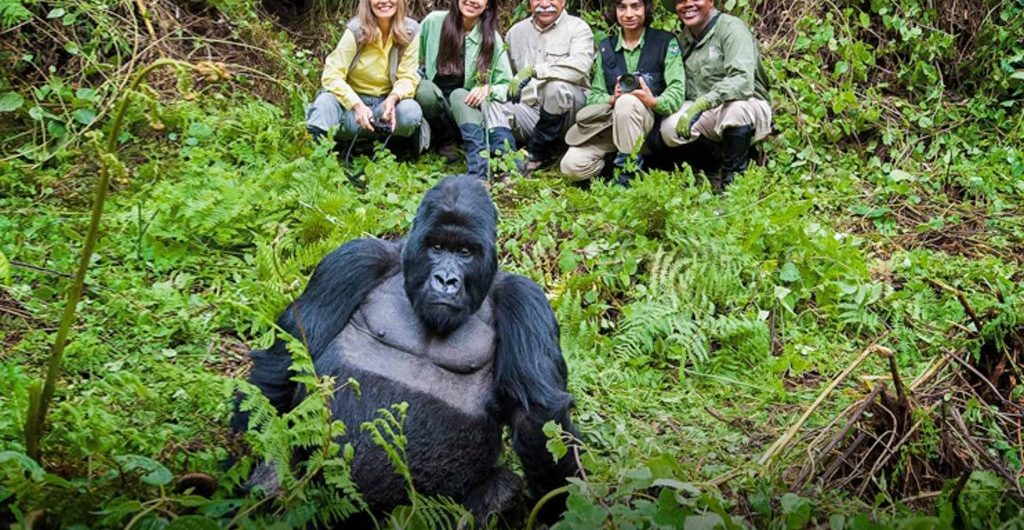
Gorilla trekking in Rwanda is one of the most unforgettable wildlife experiences in the world. Hiking through the misty forests of Volcanoes National Park in search of endangered mountain gorillas is an incredible adventure, but it also requires careful preparation. Knowing what to wear on a Rwanda gorilla trekking safari is especially important because the terrain can be steep, muddy, wet, and covered with dense vegetation.
The right Rwanda gorilla trekking clothing will help protect you from scratches, insects, rain, and changing temperatures while keeping you comfortable throughout the trek. Here is what to wear and pack for your adventure.
1. Clothing: Comfort and Protection Are Key
Long-Sleeved Shirts and Long Pants
Long-sleeved shirts and long trousers are essential gorilla trekking attire. The forest can have dense vegetation, nettles, thorns, and insects, so covering your arms and legs provides valuable protection from scratches and bites.
Choose lightweight, breathable, moisture-wicking fabrics that allow you to move comfortably. Avoid heavy clothing that can become uncomfortable as temperatures rise. Neutral-colored clothing in shades such as green, brown, grey, or khaki is a practical choice for a Rwanda safari packing list.
Dress in Layers
Mountain weather can change quickly. The forest may feel cool and damp in the morning before becoming warmer as the trek progresses. Wearing several lightweight layers allows you to adjust your clothing as conditions change.
A moisture-wicking base layer, lightweight insulating mid-layer, and waterproof outer layer provide a versatile combination for Rwanda gorilla trekking.
Lightweight Waterproof Jacket
Rain is common in the rainforest, even when the day begins with clear skies. A lightweight waterproof jacket or rain poncho should therefore be one of your gorilla trekking essentials.
Choose a jacket that is breathable and easy to pack into your daypack when the weather is dry. Waterproof clothing can make a significant difference when trekking through wet forest trails.
2. Footwear: Sturdy and Comfortable
Hiking Boots or Trail Shoes
Good footwear is among the most important items on your gorilla trekking packing list. Trails in Volcanoes National Park can be muddy, slippery, steep, and uneven.
Waterproof hiking boots with good traction and ankle support are highly recommended. Your boots should be comfortable and well broken-in before your safari to reduce the risk of blisters and sore feet.
Gaiters
Gaiters are optional but useful gorilla trekking gear, particularly during wet conditions. They help prevent mud, leaves, water, and small insects from getting inside your boots.
Moisture-Wicking Hiking Socks
Pack several pairs of comfortable hiking socks. Moisture-wicking socks help keep your feet dry and can reduce friction and blistering during long hikes.
3. Accessories and Gear
Hat and Sunglasses
A wide-brimmed hat can provide protection from the sun, while sunglasses are useful during exposed sections of the trail. A lightweight, breathable hat is ideal for hiking in Rwanda.
Lightweight Gloves
A pair of lightweight gardening or trekking gloves can protect your hands from thorns, rough branches, and vegetation as you make your way through the forest. They are a useful addition to your gorilla trekking outfit.
Small Daypack
A comfortable daypack is ideal for carrying your gorilla trekking essentials. Depending on your needs, pack:
- Water
- Snacks
- Camera and accessories
- Insect repellent
- Sunscreen
- Extra clothing
- Rain jacket
- Personal medication and toiletries
- Waterproof bags for valuables
Keep your backpack lightweight because you may be carrying it for several hours.
Walking Stick
A walking stick can provide additional stability on steep, muddy, or slippery trails. Some safari lodges and trekking operators provide walking sticks, but you can also bring your own if preferred.
4. Additional Considerations for Gorilla Trekking
Insect Protection
Forested areas can have mosquitoes and other biting insects. Apply insect repellent before entering the forest and keep your arms and legs covered with appropriate hiking clothes for Rwanda.
Long-sleeved shirts and long trousers provide an additional layer of protection. If you use permethrin-treated clothing, follow the product’s safety and application instructions carefully.
Choose Neutral Colors
When choosing what to wear for gorilla trekking, earthy and neutral colors such as green, brown, grey, and khaki are practical choices. Avoid very bright colors where possible, as subdued clothing fits naturally with the forest environment.
Also avoid strong fragrances such as heavy perfumes. Following your guide’s instructions is the best way to minimize disturbance to the gorillas and surrounding wildlife.
Protect Your Camera Gear
A camera with a zoom lens allows you to photograph gorillas while maintaining an appropriate distance. Since rain can arrive unexpectedly, protect your camera and other electronics with a waterproof cover or dry bag.
Your camera equipment should also be packed securely so that you can move comfortably over uneven terrain.
5. What to Pack for a Rwanda Gorilla Trekking Safari
A practical Rwanda gorilla trekking packing list includes:
- Long-sleeved moisture-wicking shirts
- Lightweight trekking trousers
- Warm mid-layer
- Waterproof jacket or rain poncho
- Waterproof hiking boots
- Moisture-wicking hiking socks
- Gaiters
- Lightweight gloves
- Wide-brimmed hat
- Sunglasses
- Insect repellent
- Sunscreen
- Small daypack
- Reusable water bottle
- Walking stick
- Camera and waterproof protection
- Extra clothing in a waterproof bag