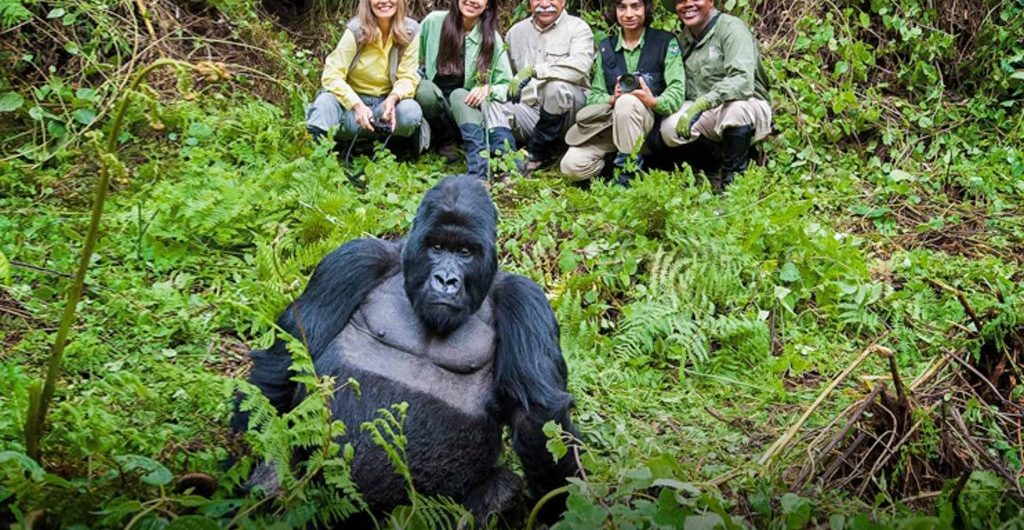
Planning a Rwanda gorilla trekking safari? Discover what to wear, from waterproof hiking boots and breathable layers to rain gear, gloves, and other essential gorilla trekking clothing and equipment.
Planning a Rwanda gorilla trekking safari? Discover what to wear, from waterproof hiking boots and breathable layers to rain gear, gloves, and other essential gorilla trekking clothing and equipment.
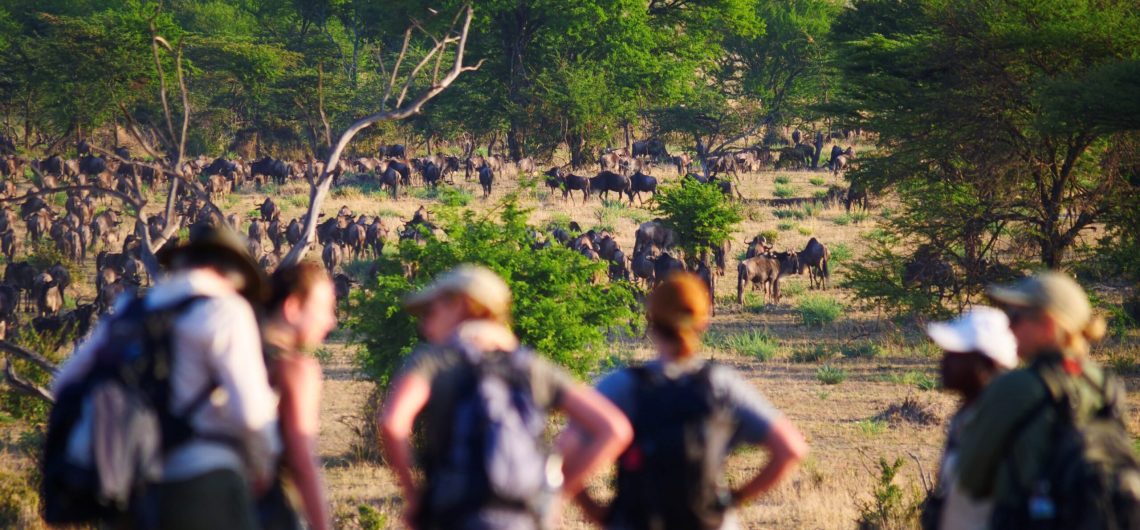
Is the Great Migration Suitable for Family Safaris? Is the Great Migration Suitable for Family Safaris? The answer is a resounding yes. With proper planning, experienced guides, and family-friendly accommodations, a Great Migration family safari can offer one of the most rewarding and memorable wildlife experiences in the world. At Amakula African Safaris, we create unforgettable family safaris in Tanzania and family safaris in Kenya that combine adventure, education, comfort, and cultural discovery, ensuring travelers of all ages can experience the magic of the Great Migration safely and enjoyably. The Great Migration is one of nature's greatest spectacles, involving over two million wildebeest, zebras, and gazelles moving between Tanzania's Serengeti National Park and Kenya's Maasai Mara National Reserve in search of fresh grazing. Beyond witnessing incredible wildlife, families enjoy meaningful learning experiences about conservation, ecosystems, and African cultures. Many visitors also choose to extend their journey with Uganda Gorilla Trekking, creating a once-in-a-lifetime East African family holiday. Why the Great Migration Is Perfect for Family Safaris A family-friendly Great Migration safari provides much more than wildlife viewing. It introduces children and adults to the wonders of nature while creating unforgettable shared experiences. Families can enjoy: Safe and professionally guided game drives Educational wildlife interpretation Spectacular wildebeest river crossings Big Five wildlife encounters Interactive cultural visits Birdwatching opportunities Comfortable family lodges and tented camps Flexible safari schedules suitable for children Unlike many vacations, family wildlife safaris combine entertainment with education, making every game drive an outdoor classroom. Family Safaris in Kenya: Experience the Maasai Mara The Maasai Mara is among the world's finest destinations for Kenya Great Migration safaris. Between July and October, thousands of wildebeest cross the Mara River while lions, crocodiles, cheetahs, and hyenas wait nearby, creating unforgettable wildlife encounters. Amakula African Safaris designs Kenya Wildlife Safaris that include:
Is the Great Migration Suitable for Family Safaris? Is the Great Migration Suitable for Family Safaris? The answer is a resounding yes. With proper planning,
Responsible Safari Practice Safari tourism has become one of the most remarkable ways to experience Africa’s incredible wildlife, landscapes, and cultures. However, as more travelers seek unforgettable adventures, the importance of responsible safari practices continues to grow. Modern travelers are not only interested in seeing lions, elephants, gorillas, and rare bird species but also want to ensure their journeys contribute positively to wildlife conservation, habitat protection, and the wellbeing of local communities. At Amakula African Safaris, we believe that every safari should create meaningful connections between travelers, nature, and people. Whether you are planning Responsible Kenya Wildlife Safaris, Tanzania Wildlife Safaris, or Uganda Gorilla Trekking Safaris, practicing responsible tourism helps protect Africa’s ecosystems while creating authentic and sustainable wildlife experiences. Responsible safari practices involve respecting wildlife, following park regulations, reducing environmental impact, supporting conservation projects, and engaging respectfully with local communities. Through sustainable safari tourism, travelers become active participants in protecting Africa’s natural heritage for future generations. What Are Responsible Safari Practices? Many travelers ask, “What are responsible safari practices?” Responsible safari practices are ethical actions and choices that minimize harm to wildlife, ecosystems, and communities while maximizing positive impacts from tourism. These practices include: Following wildlife viewing guidelines Maintaining safe distances from animals Avoiding disturbance of natural wildlife behavior Respecting national park rules Supporting local communities through tourism Choosing sustainable accommodations Reducing waste and plastic use Supporting conservation-focused safaris By following these principles, travelers contribute to conservation tourism in East Africa and help ensure that future generations can enjoy Africa’s extraordinary biodiversity. Why Sustainable Safari Tourism Matters Africa’s wildlife faces increasing challenges, including habitat loss, climate change, human-wildlife conflict, and illegal wildlife activities. Sustainable safari tourism provides an opportunity to protect natural resources while supporting economic development. When travelers choose responsible African safaris, they contribute to: Wildlife Conservation Tourism
Responsible Safari Practice Safari tourism has become one of the most remarkable ways to experience Africa’s incredible wildlife, landscapes, and cultures. However, as more travelers
Gorilla Trekking Age Limit in Uganda, Rwanda and Congo The Gorilla Trekking Age Limit in Uganda, Rwanda and Congo is an important consideration when planning a gorilla trekking adventure. In Uganda, Rwanda, and the Democratic Republic of Congo, the minimum age for gorilla trekking is generally 15 years old. Travelers under the age of 15 are normally not permitted to participate in gorilla trekking because of conservation regulations designed to protect both visitors and the mountain gorillas. In Uganda, visitors can trek mountain gorillas in Bwindi Impenetrable National Park and Mgahinga Gorilla National Park, while Rwanda offers gorilla trekking in Volcanoes National Park. In the Democratic Republic of Congo, gorilla trekking takes place in Virunga National Park. Each destination provides a unique opportunity to observe endangered mountain gorillas in their natural habitat. Uganda is also an attractive choice for travelers seeking more affordable gorilla trekking permits, with discounted permits available under certain categories and promotional arrangements. For families traveling with children under 15, special consideration may sometimes be available depending on the circumstances and applicable wildlife authority regulations, so it is important to confirm the current requirements before booking. Choosing Uganda, Rwanda, or Congo for gorilla trekking offers an unforgettable wildlife experience, but travelers should always check the latest permit regulations and age requirements before planning their trek. What is the Gorilla trekking age limit? Anyone under the legal minimum age to trek mountain gorillas in Bwindi Impenetrable National Park and Mgahinga National Park is deemed to be a minor or child and is therefore unfit. The gorilla trek minimum age is presently 15 years old. In Uganda's Bwindi Impenetrable National Park and Mgahinga National Park, children and minors are not permitted to trek gorillas since it is thought that their behavior is unpredictable. A toddler may opt to create
Gorilla Trekking Age Limit in Uganda, Rwanda and Congo The Gorilla Trekking Age Limit in Uganda, Rwanda and Congo is an important consideration when planning
Gorilla Habituation In Uganda with Amakula African Safaris ltd Learn more about Amakula African Safaris' gorilla habitat experience safaris and tours. The newest additions to Bwindi Impenetrable National Park's activities are gorilla habituation safaris and tours. Amakula African Safaris can arrange either fly-in safaris to Bwindi Impenetrable National Park or road safaris to the same National Park for gorilla habituation experiences. We provide tours to Bwindi National Park for gorilla habituation experiences that last anywhere between three and seven days. Please get in touch with one of our safari experts for more information on our gorilla habituation tours. Gorilla Habituation In Uganda We do book permits for gorilla habituation as part of our services, just as we do for permits for gorilla trekking. In the event that you decide to take part in gorilla habitat experience safaris, kindly get in touch with Amakula African Safaris to inquire about space in Rushaga, which is situated in the southernmost region of Bwindi Impenetrable National Park. When a spot opens up, we'll ask you for all the passport information that must be provided before gorilla habituation permits can be distributed. Depending on your preferences and budget, we may also arrange lodging for you in Rushaga. Gorilla Habituation safaris in Uganda Depending on how long you want to spend there, we can arrange for you to go on a fly-in safari or a road trip to gorilla adventures (up to 3 days). For further details, speak with Encounter Africa safaris. Please be advised that gorilla habituation permits are presently available for USD $1500 apiece and allow the holder to spend four hours with a troop of habituated mountain gorillas. A family can only have a maximum of four people, and they all need to be older than 15 years old. Please read our frequently
Gorilla Habituation In Uganda with Amakula African Safaris ltd Learn more about Amakula African Safaris‘ gorilla habitat experience safaris and tours. The newest additions to
Why Virunga national park is famous? Virunga national park the Africa primate haven is home to two types of gorillas. The mountain gorillas and the low land gorillas. On this park’s 8090 sq km of land rich wildlife thrives. The topography of this area is generally volcanic work with an altitude range of 680 m in Puembo River to 5109 m in Mountain Stanley. About 6 gorilla families are currently existing in Virunga National Park namely Munyaga gorilla family, Kabirizi gorilla family, Mapuwa gorilla family, Rugendo gorilla family, Humba gorilla family, and Lulengo gorilla family. Aside from going on a gorilla trek, this historic park also offers enjoyable primate walks with chimpanzees, red-tailed monkeys, De Brazaa monkeys, black-and-white colobus monkeys, Hamlyn's monkeys, blue monkeys, and other species. The progress of gorilla conservation in this park has been hampered by poaching as well as the outbreak of civil wars since 1998. This is in keeping with King Albert of Belgium's intention, which was to save the mountain gorillas from extinction. He gazetted in Virunga Park in 1925. In addition to being a shelter for primates, this biosphere service is a favorite of many other wild animals. Among them are African buffaloes, elephants, Okapi, blue duikers, red river hogs, giant forest hogs, water chevrotains, yellow-backed duikers, and so many others. Highlight Gorilla Trekking Hiking Nyiragongo Volcanic mountain Birding Chimpanzee trekking Gorilla Trekking in Virunga National Park One of the well-known mountain gorilla refuges that the world celebrates is Virunga National Park. Virunga national park endured the dry conditions while guarding a variety of wildlife, along with Bwindi Impenetrable National Park and Volcanoes National Park. To go gorilla trekking, a visitor must possess a Virunga national park permit. You assemble for a briefing at Bukima Patrol on the day of the gorilla tracking.
Why Virunga national park is famous? Virunga national park the Africa primate haven is home to two types of gorillas. The mountain gorillas and the
Bwindi impenetrable national park The Bwindi impenetrable national park is a large primeval forest located in south-western Uganda with thick vegetation like its name suggest. in the Kanungu district. The Bwindi forest is on the edge of the Albertine Rift, at the elevation ranging from 1,160 to 2,607 meters (3,806 to8,553ft). The forest contains around 160 species of trees and over 100 species of fern. The park is a sanctuary for colobus monkeys, chimpanzees, and many birds such as horn bills and turacos.it is most notable for the 400 Bwindi gorillas, half of the world’s population of the endangered mountain gorillas. 14 habituation mountain gorillas. 14 habituated mountain gorilla groups are open to tourism in four different sectors of Buhoma Ruhijja, Rushaga and the Nkuringo in the District of Kanungu, kabala and Kisoro the park covers an area of 321km2 all of which is forested with some areas being covered with bamboo and shrubs. A Lush Haven of Biodiversity The forest lies on steep slippery valleys with ridges and hilltops. The park is also among the most diverse forests in East Africa; moreover, it is home to more than 1,000 species of flowering plants It is the true African jungle with droplets of the sun coming through the think forest cover giving you a feeling of being in paradise with zero pollution from several emissions common to our daily environment. The park is home to about 120 mammal’s species that are rarely seen as they hide in the thickets of the dense forest. these include the large mammals and the very small mammals. The animals of Bwindi forest national park include; Elephants, duikers, buffaloes, golden cats, bush pigs, giant forest hogs, black- fronted Duiker, yellow- backed duiker, clawless otter, side-striped jackal, civet numerous bats and rodents among others. Bwindi forest
Bwindi impenetrable national park The Bwindi impenetrable national park is a large primeval forest located in south-western Uganda with thick vegetation like its name suggest.