
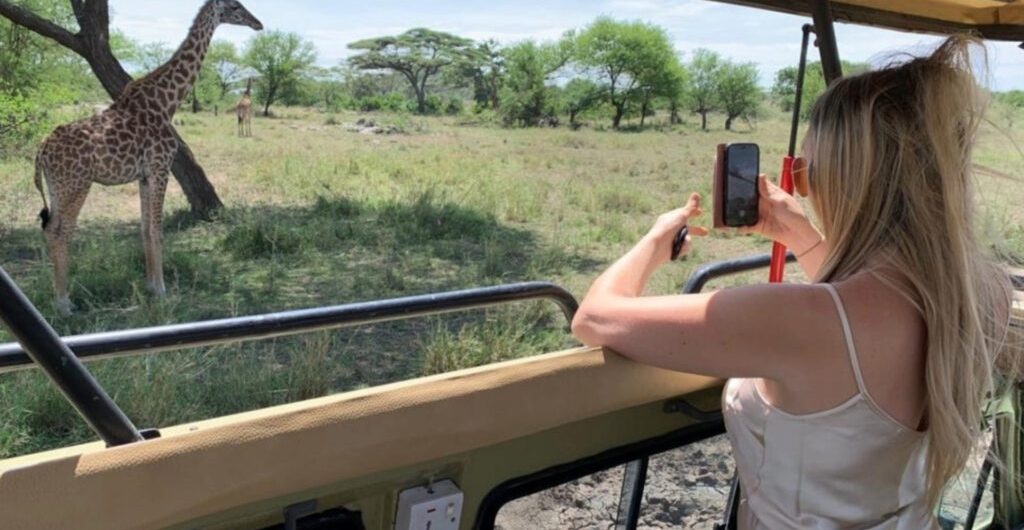
Witnessing the Great Migration is a dream for wildlife enthusiasts, but the experience can become crowded during peak migration months. The Maasai Mara in Kenya and the Serengeti in Tanzania attract visitors from around the world, particularly when the wildebeest herds are concentrated around major viewing areas. With careful planning, however, it is possible to enjoy an uncrowded Great Migration safari without missing the extraordinary wildlife spectacle.
Amakula African Safaris specializes in designing personalized Kenya Safaris and Tanzania Safaris that help travelers experience migration season with greater privacy, flexibility, and comfort. Strategic timing, less-traveled routes, smaller camps, and experienced guides can all make a significant difference. Rather than following the busiest safari routes, travelers can choose areas and travel periods that offer excellent wildlife viewing with fewer vehicles.
How to Avoid Crowds During the Great Migration
One of the most effective ways to enjoy a less crowded safari during migration season is to avoid focusing your entire itinerary on the most popular migration hotspots. The Great Migration is a continuous movement of wildlife, meaning there are opportunities to experience remarkable concentrations of animals in different parts of the ecosystem throughout the year.
Travelers can also consider the shoulder periods around peak migration, stay in private or community conservancies, and choose camps located away from major tourist hubs. Early-morning game drives can provide particularly peaceful wildlife encounters, while private vehicles offer greater flexibility than joining large group safaris.
For travelers deciding between Kenya or Tanzania for an uncrowded Great Migration safari, both countries have advantages. Kenya’s Maasai Mara provides excellent opportunities for migration viewing, while Tanzania’s vast Serengeti ecosystem offers numerous possibilities for exploring less-congested areas.
Kenya Safaris: Strategic Timing to Avoid Crowds
Kenya is one of the most popular destinations for the Kenya Great Migration, particularly in the Maasai Mara from approximately July through October. The famous Mara River crossings can attract many safari vehicles, so travelers seeking solitude should consider areas beyond the busiest crossing points.
A well-planned Kenya Safari can focus on early or later phases of the migration, when wildlife movements may be less concentrated around the most popular viewing locations. Private conservancies and less-trafficked areas around the Maasai Mara can also provide excellent game viewing with a more exclusive atmosphere.
Travelers can enjoy guided game drives, luxury or intimate tented camps, cultural experiences, and opportunities for Kenya Birding Safaris. Combining the migration with destinations such as Amboseli, Lake Naivasha, or Hell’s Gate can further diversify the itinerary and reduce the amount of time spent in heavily visited migration areas.
Maasai Mara National Reserve: Choosing Less Crowded Areas
The Maasai Mara National Reserve is at the heart of Kenya’s migration experience, but not every part of the ecosystem experiences the same level of visitor traffic.
Travelers looking for a less crowded Masai Mara migration safari can consider private conservancies and areas on the edges of the main reserve. Mara North and other conservancies can offer a more intimate safari environment, depending on the season and location of the camp.
Another effective strategy is choosing accommodation away from the busiest tourist hubs. Smaller camps can provide a quieter base while allowing travelers to enjoy early-morning and late-afternoon game drives.
The migration can also be combined with cultural visits and Kenya Birding Safaris, creating a balanced itinerary rather than concentrating every day around major wildebeest viewing locations.
Tanzania Safaris: Exploring the Serengeti Away From Crowds
Tanzania offers another excellent option for travelers seeking a less crowded Great Migration safari. The Tanzania Great Migration moves through the Serengeti ecosystem throughout the year, creating opportunities to experience different stages of the migration in different regions.
Instead of concentrating solely on the busiest central Serengeti areas, travelers can consider southern Serengeti during calving season, western areas during appropriate migration periods, or northern Serengeti when the herds move toward the Mara River.
A Tanzania Safari can include private 4×4 game drives, mobile or permanent camps, domestic flights, and experienced guides. Using domestic flights to reach remote airstrips can also reduce lengthy road transfers and place travelers closer to quieter safari areas.
Serengeti National Park: Take Advantage of Seasonal Movements
The Serengeti National Park is enormous, making it possible to design an itinerary around seasonal wildlife movements rather than simply following the largest crowds.
Southern Serengeti is particularly interesting around the calving period, generally associated with January and February. This period can offer dramatic predator activity and large concentrations of newborn wildebeest. Other areas of the Serengeti become more relevant as the herds continue their annual movement.
Travelers interested in how to avoid crowds during the Great Migration should therefore think beyond a single event such as the Mara River crossing. Following the broader migration cycle can provide equally fascinating experiences while allowing greater flexibility in choosing where to stay.
Kenya vs. Tanzania: Which Is Better for Avoiding Crowds?
Choosing between Kenya vs Tanzania for the Great Migration depends on the type of safari experience you want.
Kenya is ideal for travelers who want access to the Maasai Mara and the possibility of witnessing dramatic river crossings, while private conservancies can provide a quieter alternative to the busiest reserve areas.
Tanzania offers a much larger ecosystem and greater geographic flexibility. The Serengeti provides opportunities to follow different stages of the migration, including calving, predator activity, and movement toward the northern Serengeti.
For travelers prioritizing solitude, the best choice may not simply be Kenya or Tanzania. Instead, the key is selecting the right season, region, camp, and safari style.
Kenya Birding Safaris: A Peaceful Alternative to Crowded Viewing
Migration-focused trips can be complemented by Kenya Birding Safaris, offering a calmer way to explore East Africa’s ecosystems.
Areas around the Maasai Mara, Lake Naivasha, and Amboseli support diverse birdlife. Early-morning birding excursions can provide opportunities to observe species such as the African fish eagle and secretary bird while enjoying quieter surroundings.
Combining birding with wildlife viewing also adds ecological depth to a safari. Instead of spending every day searching for migration hotspots, travelers can alternate game drives with birding and cultural experiences.
Tanzania Cultural Safaris: Experience East Africa Beyond the Crowds
Tanzania Cultural Safaris provide another excellent way to diversify a migration itinerary. Visits to Maasai communities, local markets, and surrounding villages allow travelers to experience East African culture while taking a break from busy wildlife-viewing areas.
Cultural experiences can be arranged around wildlife activities, creating a more balanced itinerary that includes conservation, local traditions, and community perspectives.
For travelers seeking an off-the-beaten-path safari, these experiences can be especially valuable because they shift the focus from simply seeing the largest herds to understanding the people and ecosystems connected to the migration.
Practical Tips for an Uncrowded Great Migration Safari
To maximize your chances of avoiding crowds, consider these strategies:
- Travel during shoulder periods rather than concentrating exclusively on peak dates.
- Choose private conservancies or less-visited areas near major migration ecosystems.
- Stay in smaller camps away from heavily concentrated tourist zones.
- Use private safari vehicles for greater flexibility and control over game-drive timing.
- Start game drives early, when wildlife is active and fewer vehicles may be present.
- Avoid relying exclusively on famous river-crossing locations.
- Follow the migration’s seasonal movements instead of staying in one area throughout the trip.
- Combine wildlife viewing with birding and cultural experiences to create a more varied itinerary.
- Consider domestic flights to reach remote areas and reduce time spent on busy safari routes.
- Work with an experienced safari operator that understands seasonal wildlife movements and local traffic patterns.
Combining Kenya, Tanzania, and Uganda
Travelers with more time can combine Kenya Safaris and Tanzania Safaris for a broader East African adventure. A multi-country itinerary can follow different stages of the migration while also incorporating cultural and ecological experiences.
For an even more diverse journey, travelers can add Uganda Gorilla Trekking to experience mountain gorillas after their migration safari. This creates a multi-country itinerary combining the Great Migration, savanna wildlife, cultural experiences, and rare primate encounters.
Why Choose Amakula African Safaris?
Choosing Amakula African Safaris can help travelers build a customized itinerary focused on wildlife, comfort, cultural immersion, and fewer crowds. Instead of simply visiting the most famous migration destinations, the itinerary can be structured around seasonal movements, accommodation location, private guiding, and less-trafficked areas.