
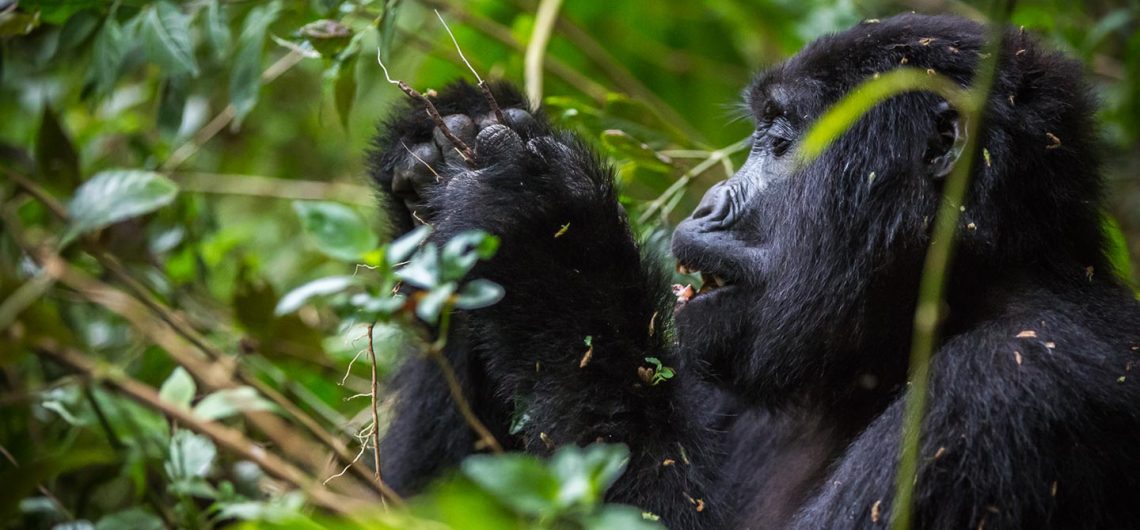
Best Time for Gorilla Trekking in Uganda: Choose Dates With Easier Trails and Better Planning
Best Time For Gorilla Trekking In Uganda. Gorilla trekking in Uganda is possible throughout the year, but your travel dates can affect trail conditions, rainfall, permit availability, photography, and comfort. The best time depends on whether you value easier hiking, fewer visitors, a flexible schedule, or potential savings on other travel costs.
Uganda’s main gorilla trekking destinations, Bwindi Impenetrable National Park and Mgahinga Gorilla National Park, are tropical rainforests. Rain can arrive quickly, even during the dry months. In general, June to August and December to February offer the most favorable trekking conditions, while wetter months may suit travelers who want quieter trails and greater booking flexibility.
Good planning also means checking seasonal weather, trekking sectors, permit rules, transport times, accommodation, and packing needs. Confirm current permit availability, prices, health rules, and park regulations with the Uganda Wildlife Authority or a licensed tour operator before booking.
Choose the Best Gorilla Trekking Season for Your Priorities
Gorillas can be tracked year-round, so there is no single perfect month for every traveler. Your best dates depend on fitness, weather tolerance, budget, photography goals, and how much flexibility you have.
Trek during the dry seasons for easier trail conditions
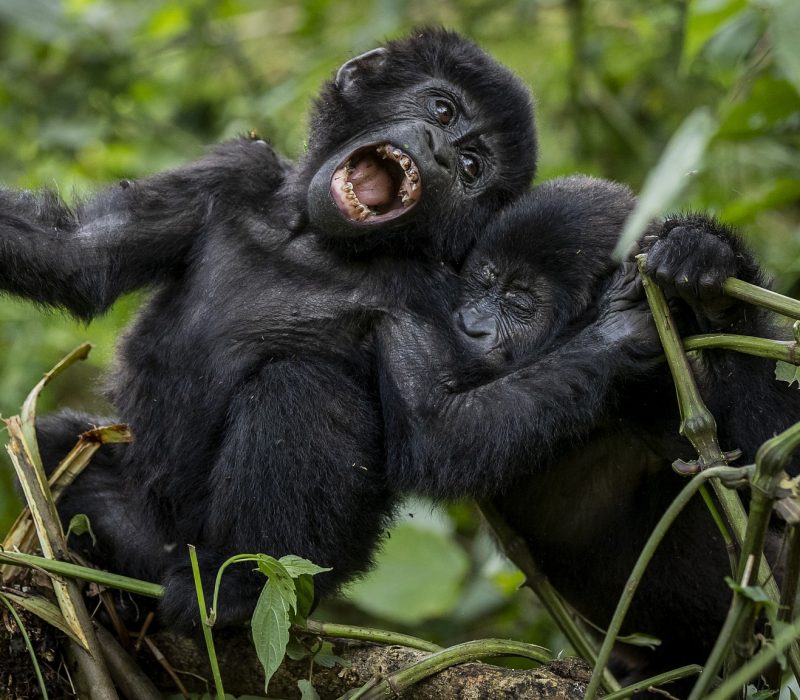
June to August and December to February are Uganda’s main preferred trekking periods. Drier ground can make Bwindi’s steep, muddy paths easier to manage, although rain remains possible in both Bwindi and Mgahinga.
These months often bring strong demand for permits and accommodation. Book early if you want a certain sector, lodge, or trekking date.
Consider the rainy seasons for flexibility and potential value
March to May and September to November usually bring more rainfall. Trails may become muddy and slippery, and sudden downpours can make long hikes more tiring.
The wetter months may attract fewer visitors and can give flexible travelers more choice in lodging or transport. However, lower permit prices or guaranteed discounts should never be assumed. Check current rates before making a budget.
Match the month to the experience you want
Choose a dry-season date if manageable hiking conditions are your main concern. Consider a wetter month if you can handle rain and prefer a less busy travel period.
If seeing mountain gorillas matters more than avoiding wet weather, any open trekking date can work. Gorilla locations change daily, and no month guarantees a shorter hike, better views, or perfect photographs.
Understand Weather During Gorilla Trekking in Uganda
Uganda’s dry and wet seasons are useful planning guides, but rainforest weather does not follow strict rules. Current forecasts and advice from local rangers matter more than a calendar label.
Prepare for rain even during the dry season
Bwindi sits at high altitude and has a cool, wet rainforest climate. Cloud, mist, and rain can develop within a short time, including in July, August, January, or February.
Carry a waterproof jacket, dry bags, and moisture-resistant protection for your camera and phone. Strongly gripping boots remain useful in every month.
Expect challenging terrain in Bwindi and Mgahinga
Both parks include steep slopes, dense vegetation, uneven ground, and slippery sections. Trek duration depends on the location of the assigned gorilla family, so no operator can promise a fixed walking time or an easy trail.
Mgahinga is part of the Virunga mountain region and can also involve sharp climbs. Fitness training, walking practice, and realistic expectations will improve your comfort.
Use local conditions to choose between destinations
Bwindi has several trekking sectors, including Buhoma, Ruhija, Rushaga, and Nkuringo. Each has different road access, accommodation, terrain, and permit availability.
Mgahinga may suit travelers who prefer its smaller park setting or who find a suitable permit there. The nearest sector, available lodging, and transfer time may matter as much as the season.
Plan Around Gorilla Trekking Permits and Park Rules
Permit logistics often decide the best time for gorilla trekking in Uganda. A preferred month is of little use if permits are unavailable in the sector you want.
Book permits before arranging the rest of the itinerary
Select your trekking sector and preferred date before booking flights, hotels, and internal transport. Limited permits can sell out during June to August, December to February, school holidays, and other high-demand periods.
Build the wider Uganda itinerary around the confirmed trek. This approach also helps you avoid a long transfer on the same day as your forest hike.
Include the official visitor limits in trip planning
Uganda’s standard gorilla trekking rules limit each group to a maximum of eight visitors. The normal gorilla viewing period is generally one hour, and travelers must meet the minimum age requirement of 15 years.
Rules can change, so confirm the current guidance with the Uganda Wildlife Authority before departure. Operator policies may add separate conditions.
Check current permit categories and cancellation conditions
Permit prices vary by traveler category, including foreign non-residents, foreign residents, and East African Community citizens. Prices, refund terms, rescheduling rules, and cancellation conditions should be checked at the time of booking.
The Uganda Wildlife Authority or a reputable licensed operator can confirm current costs and available dates. Do not rely on old price lists shared online.
Find the Right Month for Hiking, Photography, and Wildlife Viewing
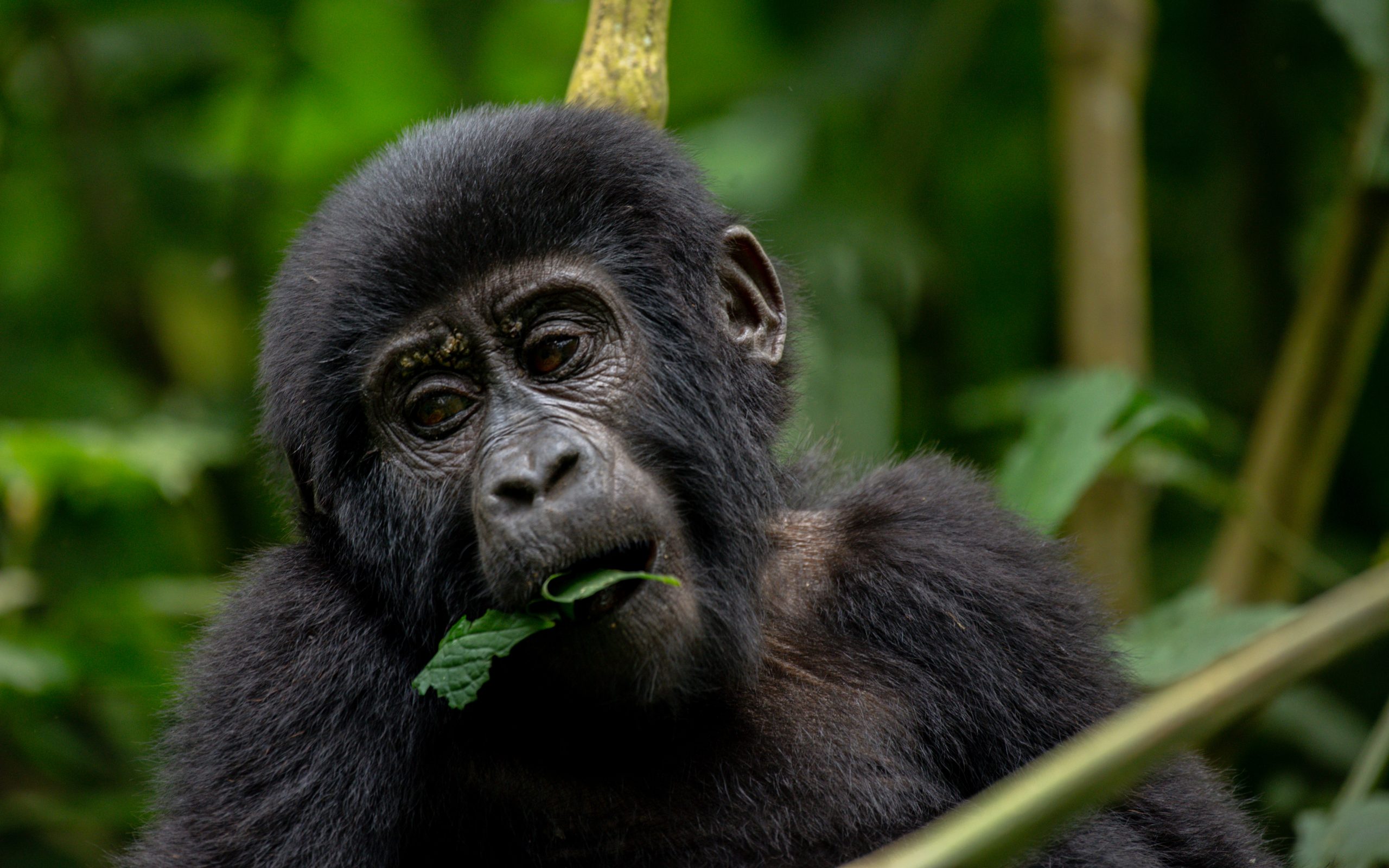
No month guarantees a close encounter or a clear photograph. Gorilla families move through thick forest, and visibility depends on vegetation, light, mist, and their location that day.
Prioritize June to August for popular dry-season travel
These months are widely chosen because trails are often easier to walk and rain may interrupt fewer activities. Drier weather can also make it easier to protect camera equipment, though forest shade remains a challenge.
Demand is high, so permits, lodges, and vehicles should be reserved well ahead. Peak demand may reduce your choice of dates and sectors.
Consider December to February for another favorable window
This period offers another commonly recommended dry-season opportunity. It works well for travelers combining gorilla trekking with Queen Elizabeth National Park, Kibale Forest, or other Ugandan attractions.
Local showers can still affect conditions. Pack for rain even when the wider forecast looks dry.
Use wetter months when flexibility matters more than predictable trails
March to May and September to November may suit travelers with open schedules. You could find quieter conditions, but muddy paths, heavy showers, and reduced photography comfort are possible.
Gorilla trekking generally continues during these months when park authorities allow it. Keep your plans flexible and follow ranger advice on the day.
Build a Comfortable Gorilla Trekking Itinerary
Seasonal planning only works when transport, fitness, clothing, and health needs also fit your schedule. A well-prepared trek feels safer and less rushed.
Pack for wet, steep, and changeable conditions
Wear waterproof hiking boots with firm traction, gaiters, rain gear, and moisture-wicking layers. Gardening gloves protect your hands from branches, while trekking poles can help on steep ground.
Also carry a small daypack, refillable water bottle, snacks, insect repellent, sunscreen, and waterproof storage for electronics. Pack light, but keep enough protection for hours of rain.
Allow extra time for transport and recovery
Road transfers to Bwindi and Mgahinga can take many hours, depending on your starting point and the trekking sector. Arrive in the region at least one day before your permit date.
Avoid tight same-day flight or road connections. Schedule recovery time after the trek, especially if you plan another hike or a long transfer.
Follow health and responsible trekking practices
Do not trek when you have a cold, cough, fever, or other respiratory symptoms. Mountain gorillas can catch human-borne illnesses, so follow current health guidance and ranger instructions.
Keep the required distance, speak softly, avoid flash photography, and leave no litter. These rules protect both visitors and gorillas.
Answer Common Questions About the Best Time for Gorilla Trekking in Uganda
Is Uganda’s dry season always the best time for gorilla trekking?
June to August and December to February are generally preferred because trails may be more manageable. They are not rain-free periods, and wetter months can still suit travelers with flexible schedules and suitable gear.
Can you go gorilla trekking in Uganda during the rainy season?
Yes, trekking is generally available throughout the year, subject to park operations and safety conditions. Expect muddy trails, slippery slopes, sudden rain, and changing forest visibility during wetter months.
How far in advance should gorilla trekking permits be booked?
Book as early as possible for dry-season dates, holidays, popular sectors, or complex Uganda itineraries. Contact the Uganda Wildlife Authority or a licensed operator to check live availability before confirming other arrangements.
Choose Your Best Time for Gorilla Trekking in Uganda
Use the dry seasons for the most predictable trekking experience
June to August and December to February are the strongest general choices for easier trail conditions and a widely favored trekking climate. Rainforest showers can still occur, so waterproof clothing remains essential.
Choose the wet seasons when flexibility comes first
March to May and September to November may appeal to travelers who accept mud and changing weather. These periods may offer more scheduling choice, but fewer visitors and lower costs are never guaranteed.
Confirm current conditions before booking
Check Uganda Wildlife Authority permit rules, current prices, park access, weather forecasts, accommodation, and health requirements before paying deposits. The best time for gorilla trekking in Uganda is the season that matches your priorities, fitness, budget, and readiness for rainforest weather.
Conclusion
For most travelers, June to August and December to February provide the best balance of trail comfort and reliable planning. Wet-season trekking remains a valid choice for visitors who want flexibility and can prepare for rain, mud, and longer hikes.
Secure the permit first, choose the most practical trekking sector, and allow extra time for transport. With the right date and proper equipment, Uganda’s gorilla trekking experience can be rewarding in any season.
Book Your Uganda Gorilla Safari With Us
Ready to experience Uganda’s incredible wildlife, gorillas, culture, and adventure? Amakula African Safaris offers carefully planned and tailor-made gorilla safari packages designed around your travel dates, interests, and budget.
Explore our Uganda Gorilla Safari Packages and choose your perfect adventure. Contact our safari experts today to check availability and start planning your unforgettable journey through Uganda.
- 14 days Kenya & Uganda wildlife and Gorilla tracking safari
- 3 Days Uganda Gorilla Trekking & Wildlife Experience
- 14 Days Best Of Uganda Big 5 safari with Primates & Tree
- 5-Day Best Gorilla Trekking Safari In Uganda
- 7-Day Murchison Falls, Chimp Tracking & Gorilla Trekking
- 3-Days safari to Murchison Falls National Park
- 15-Day Gorilla Safari And Wildlife In Uganda
- 12-Day Rwanda and Uganda Gorilla Luxury Tour
- 14 DAYS UGANDA –RWANDA GORILLA EXPERIENCE
- 21 Days Rwanda, Congo And Uganda Gorilla Experience
- 21 Days Rwanda, Congo And Uganda Gorilla Experience Safari
- 10-Days Uganda And Rwanda Wildlife And Primate Safari
- 16 Days best of African safari to Rwanda and Uganda
- 4-Day Gorillas and Golden Monkeys Safari