
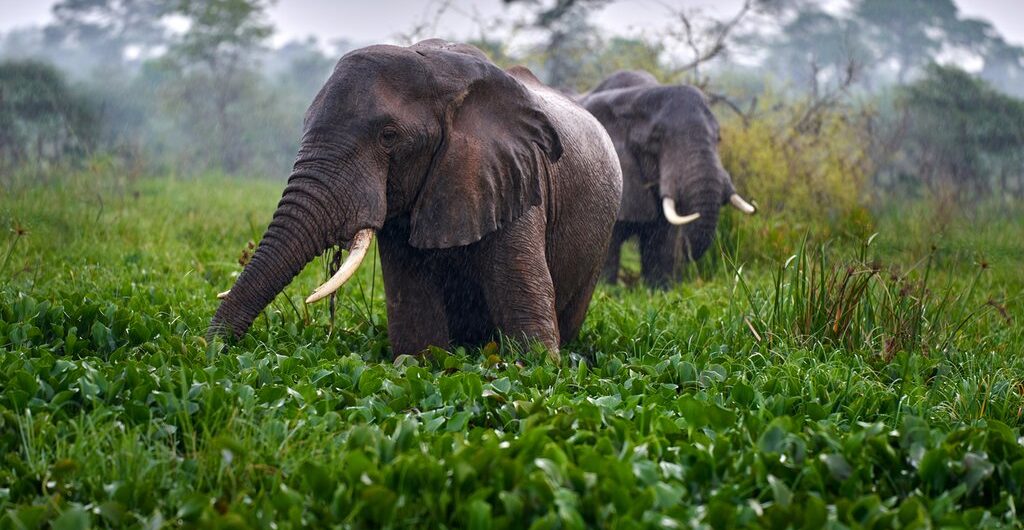
Kenya Safaris and Uganda Safaris offer unparalleled wildlife encounters, birding adventures, and cultural immersion, but understanding seasonal variations, particularly rainy seasons, is crucial for planning a successful safari. Kenya experiences two primary rainy periods: the long rains from March to May and the short rains from October to December. These rainy seasons influence wildlife movement, road conditions, and birdwatching opportunities. Visitors on Kenya Birding Safaris may find lush landscapes, active breeding bird species, and dramatic photography settings during these months. However, roads in remote areas such as the Maasai Mara and Amboseli may become challenging to navigate, necessitating careful planning and guidance from experienced safari operators like Amakula African Safaris. How Do Rainy Seasons Affect Safari Experiences in Kenya and Uganda? Kenya Best Safaris during dry seasons from June to September or January to February provide excellent conditions for Kenya Great Migration Safaris. The dry weather concentrates animals around water sources, increasing sightings of lions, elephants, and cheetahs, while enabling smooth travel between parks. Cultural experiences with the Maasai People are also more accessible during dry periods, allowing visitors to participate in traditional ceremonies, beadwork, and storytelling. Despite the challenges presented by rain, Kenya Cultural Safaris remain vibrant, as the rainfall supports greenery, attracts migratory birds, and enhances the overall visual appeal of savannah landscapes. Amakula African Safaris ensures travelers are well-informed about seasonal conditions, optimizing itineraries for both wildlife viewing and cultural immersion. When Is the Best Time for Uganda Safaris and Gorilla Trekking? Uganda Safaris offer diverse experiences ranging from Uganda Chimpanzee Safaris in Kibale Forest to Gorilla Trekking Safaris in Bwindi Impenetrable Forest. Uganda experiences a bimodal rainfall pattern, with long rains from March to May and short rains between September and November. These rainy seasons create rich, verdant landscapes and increase the activity of primates and
Kenya Safaris and Uganda Safaris offer unparalleled wildlife encounters, birding adventures, and cultural immersion, but understanding seasonal variations, particularly rainy seasons, is crucial for planning


