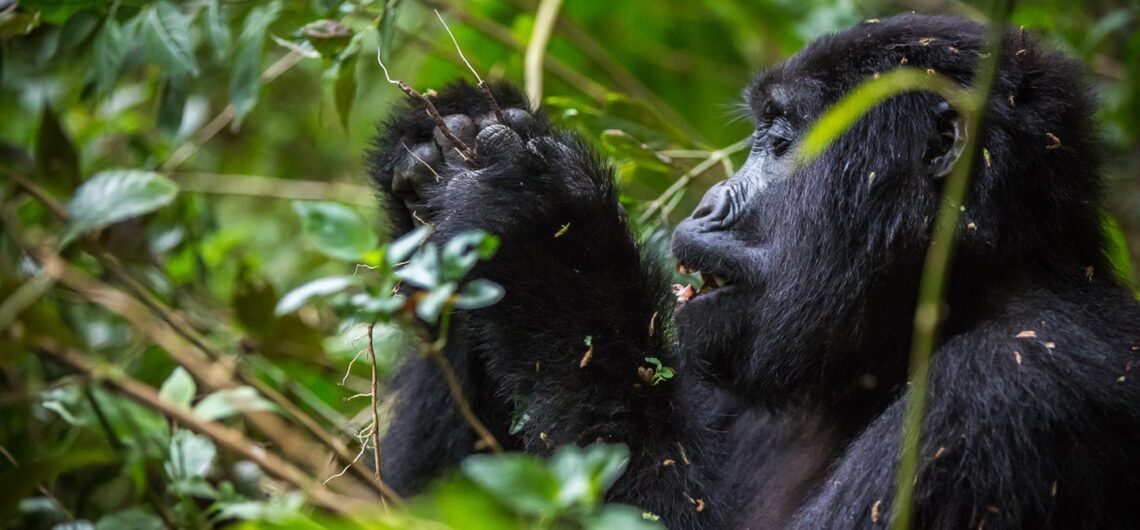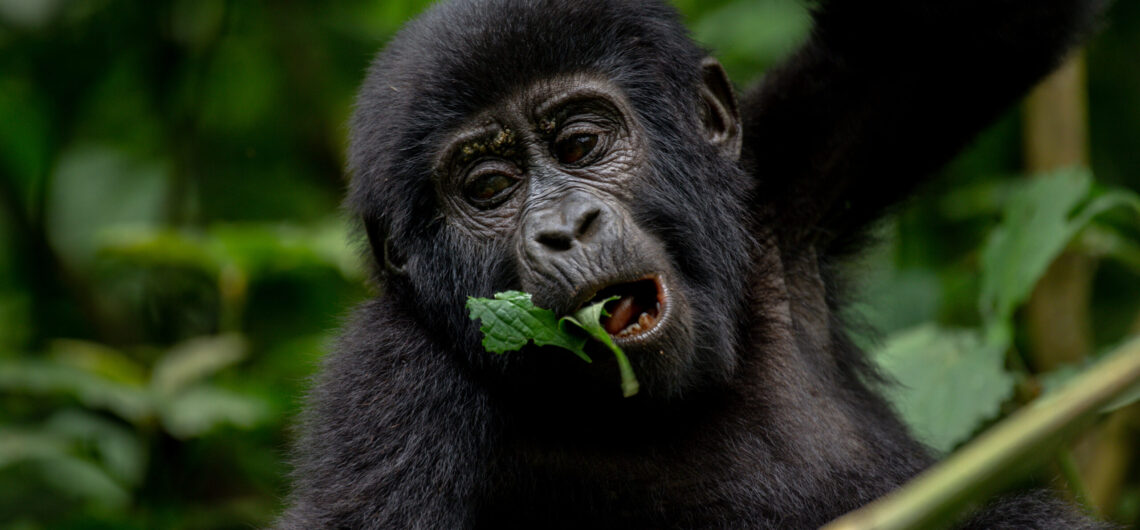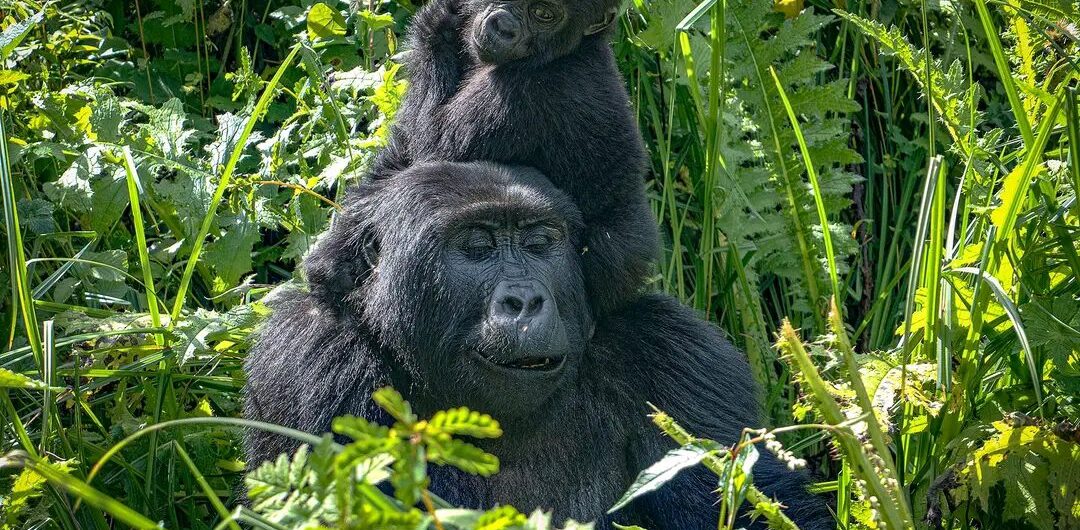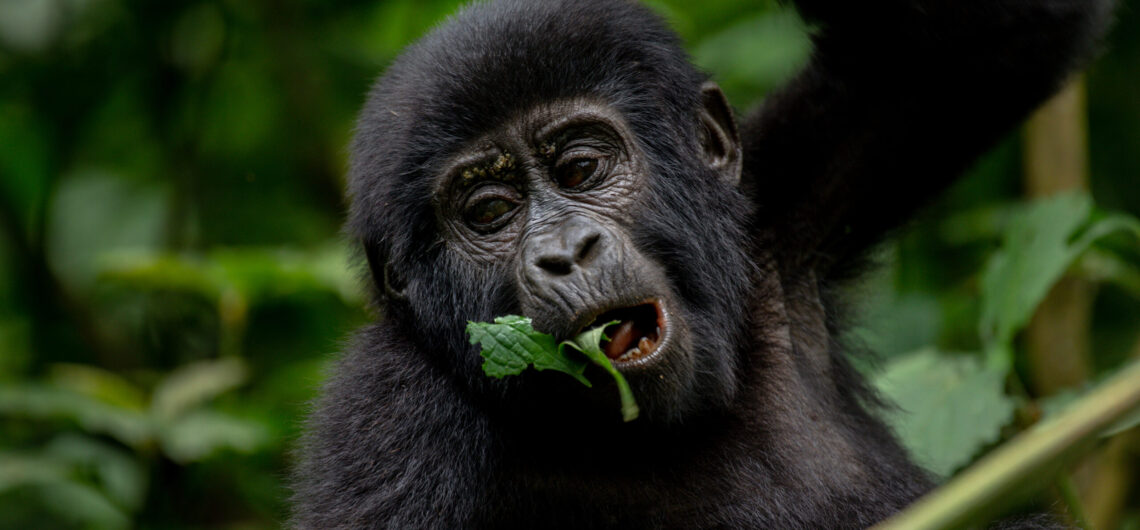
Imagine locking eyes with a silverback gorilla just feet away. His deep gaze pulls you in, and for a moment, the jungle fades. This close bond with our wild cousins hits deep, changing how you see the world. Uganda shines in the top spot for these rare meetings. Nicknamed the Pearl of Africa, it is home to over half the planet's mountain gorillas. This guide compares the key Bwindi forest national park sectors to help you pick the Best Bwindi Sectors for Gorilla Trekking in Uganda. We'll break down what makes each place special so you can plan a trip that fits your style. Bwindi stands out as the top choice for gorilla trekking in Uganda. Home to about 500 mountain gorillas, it hosts more than half the world's total. You have a high chance of spotting them here, thanks to 20 habituated families spread across four main areas. Bwindi Impenetrable National Park Habituated Gorilla Families and Population Density The park packs in the gorillas tight. Over 300 individuals roam its forests, with families like the Nkuringo group drawing steady crowds. Success rates top 95% on most days. The four sectors—Buhoma in the north, Ruhija in the center, and Rushaga plus Nkuringo in the south—each offer unique vibes. Buhoma suits quick visits, while Ruhija gives quieter paths. Buhoma: Easy access from Kampala, great for first-timers. Buhoma is a popular sector of Bwindi Impenetrable National Park in southwestern Uganda, renowned as one of the first areas to open for mountain gorilla trekking. Surrounded by lush rainforest and scenic hills, Buhoma offers excellent gorilla encounters, guided forest walks, bird watching, and rich cultural experiences with local communities, making it a perfect destination for primate lovers and nature enthusiasts. Ruhija: Deeper woods with birdwatching bonuses. Ruhija is a scenic and less crowded sector
Imagine locking eyes with a silverback gorilla just feet away. His deep gaze pulls you in, and for a moment, the jungle fades. This close