
East Africa bursts with more than just wildlife on the savanna—it is a living tapestry of cultures, traditions, and stories. Cultural Tours in Uganda, Kenya, Tanzania, and Rwanda offer a chance to dive deep into local ways of life that shape entire communities. Each country presents its own unique history, rituals, and everyday joys, inviting travelers to go beyond quick photo stops and truly connect with the people who keep ancient traditions alive.
This guide highlights the best Cultural Tours in Uganda, Kenya, Tanzania, and Rwanda, from village visits and historic sites to hands-on craft experiences. Whether you’re captivated by Maasai dances, Batwa heritage, or powerful Rwandan storytelling, expect meaningful encounters that broaden your perspective. Pack your bags for journeys that respect local hosts and leave you culturally enriched..
The Cultural Tapestry of Kenya: Maasai Traditions and Coastal Heritage
Kenya mixes wide-open plains with salty ocean breezes. Here, pastoral herders clash with traders from far seas. You get a front-row seat to two worlds in one nation. Cultural tours in Kenya let you touch both sides without rushing.
Immersive Encounters with the Maasai People
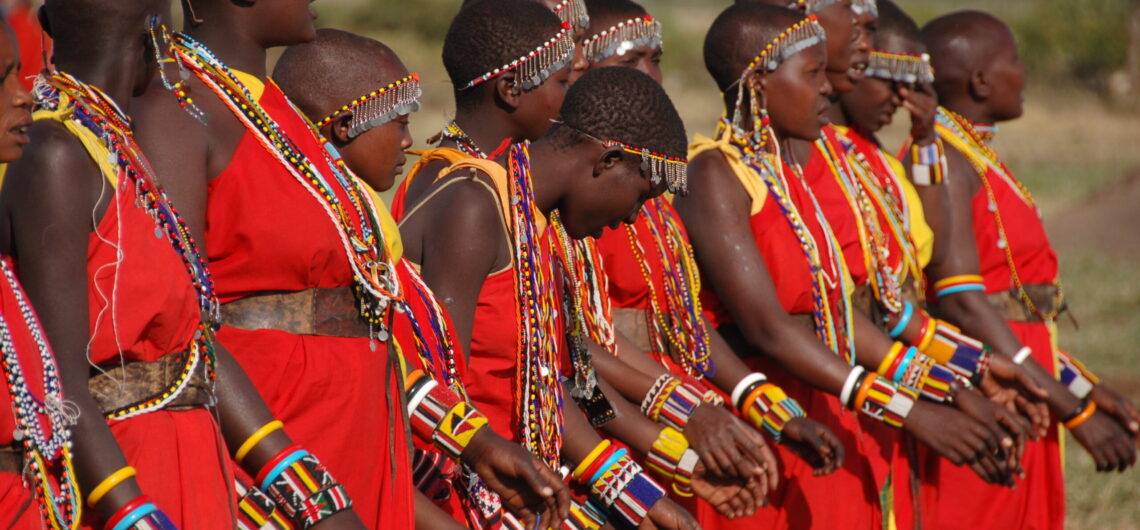
Step into a Maasai village near the Masai Mara. Guides lead you through thatched huts and cattle pens. You learn how these warriors protect their herds from lions. Join a fire-lit talk about family ties and rain dances.
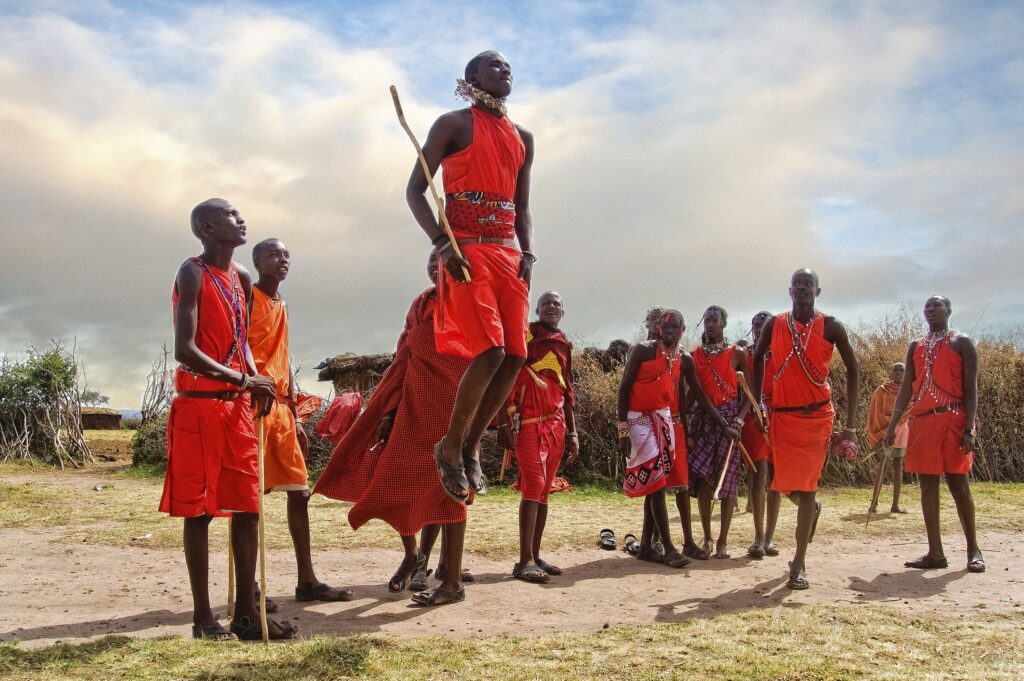
Try the Eunoto ceremony if timing fits. Young men jump high in red shawls to mark manhood. It’s not a show; it’s life. Always ask before snapping pictures. Your fee helps build schools, so choose tours that share profits fair.
Maasai women teach beadwork patterns passed down generations. String colors tell stories of health and marriage. These sessions build trust. Leave with a necklace and new friends.
Exploring Swahili History on the Kenyan Coast
Lamu Island hides narrow streets lined with coral stone homes. Arab sailors once docked here for ivory trades. Now, you wander markets full of spices and carved doors. Swahili culture blends African roots with Middle East flavors.
In Mombasa’s Old Town, forts stand guard over busy ports. Taste pilau rice cooked with cloves from afar. Guides share tales of sultans who ruled these shores. Walk the spice routes that linked continents.
Cuisine shines in home stays. Eat fresh seafood grilled over coals. Hear dhow boat songs at dusk. These spots feel alive with layered pasts. Your visit boosts local fishers and cooks.
The Vibrant Craftsmanship of the Great Rift Valley
Markets in Nakuru buzz with Samburu beads and Turkana baskets. Rift Valley air carries dust from ancient lakes. Artisans hammer metal into bold jewelry. Buy pieces that fund family farms.
Turkana women weave sisal into water carriers. Each twist holds desert survival smarts. Join a workshop to try your hand. It’s tough but fun.
These crafts tie to bigger stories. Beads signal status in tribes. Sales keep traditions going strong. Support them on your Kenya cultural tour for real impact.
Tanzania: Ancient Roots and Modern Identity
Tanzania spans vast plains and misty mountains. Over 120 tribes call it home. From hunter camps to island ports, diversity rules. Cultural tours here trace steps of our earliest ancestors.
Human fossils in Olduvai prove we started here. Modern folks carry that fire. You feel it in songs and shared meals. Tanzania’s soul runs deep.
Tracing Human History in Olduvai Gorge and Beyond
Olduvai Gorge cuts through Ngorongoro plains like a scar. Dig sites hold tools from 1.8 million years back. Walk where Lucy’s kin roamed. Guides explain how these bones rewrite our tale.
Laetoli footprints nearby show upright strides. Tour buses stop for talks on evolution. It’s not dry facts; it’s wonder. Link it to today’s herders who graze nearby.
Archaeology meets now in village chats. Elders link old bones to current rains. These sites draw 50,000 visitors yearly. Your ticket aids preservation.
The Unique Lifestyle of the Hadzabe and Datoga Tribes
Near Lake Eyasi, Hadzabe hunt with bows in baobab shade. They gather honey from wild hives. Guided hunts let you watch, not join. Respect their click-language songs at camp.
Datoga smiths forge arrows in smoky huts. Women milk goats for tangy yogurt. Tours show daily hunts that dodge farms creeping in. Modern roads push them back, but spirit holds.
Ethical visits mean small groups only. Pay entry to community funds. Learn bush survival without harm. These tribes teach simple joys in a rushed world.
Cultural Dynamics in Zanzibar: Spice and Sultanates
Stone Town’s alleys twist past carved doors from Oman days. UNESCO protects this spice hub. Wander clove plantations where scents fill air. Pick tours that include farm walks and tastes.
Omani sultans built grand homes here. Now, Taarab music sways hips in cafes. Swahili beats mix guitar with drums. Join a class to clap along.
Spice trade tales spice up dinners. Eat coconut curries under stars. Zanzibar blends Africa, Arab, and Indian in one bite. Cultural tours here refresh your senses.
Uganda: Gorilla Guardians and Kingdom Heritage
Uganda hugs Great Lakes with green hills. Kingdoms rose here before colonies came. Batwa forest dwellers guard gorilla secrets. Cultural tours blend royalty and wild edges.
Buganda’s drums echo in palaces. Coffee fields hum with village life. You taste Uganda’s heart in every step.
Connecting with the Batwa (Pygmy) Communities in the Forest Edge
Batwa once owned Bwindi forests till parks took over. Now, they perform hunts with mock bows. Songs tell of lost homes. Visits fund their schools.
In Mgahinga, guides share relocation pains. But dances lift spirits high. Wear simple clothes; sit on ground. Ask about honey hunts, not just photos.
Ethical rules: No touching artifacts. Fees go direct to trusts. These tours heal old wounds. Batwa voices grow stronger through your eyes.
The Enduring Legacy of the Buganda Kingdom
Kasubi Tombs house kings in reed houses. Fire damaged them in 2010, but rebuilds shine. Walk bark-cloth paths to learn royal rites. Kabaka still leads prayers today.
Drums call subjects in Kampala ceremonies. Join a palace tour for throne room views. History links to now’s unity push.
Buganda crafts like woven mats fill markets. Buy one; hear the weaver’s yarn. These spots keep monarchies breathing.
The Importance of Local Coffee and Banana Beer Production
Uganda grows half Africa’s robusta beans. Farms near Lake Victoria roast fresh brews. Tour pickers as they sort red cherries. Taste muddled coffee from clay pots.
Banana beer ferments in pits for village fetes. Women stir mash with wooden sticks. Join a brew day; sip the tangy drink. It fuels talks on crop cycles.
These trades steady rural homes. Sales hit $500 million yearly. Your tour buys support local mills. Uganda’s fields feed culture too.
Rwanda: Resilience, Reconciliation, and Modern Heritage
Rwanda rises from tough times with clean streets. Post-1994, unity binds all. Memorials honor lost ones while arts bloom. Cultural tours here inspire hope.
Kigali hums with markets and dances. You see a nation knit back together. Rwanda’s story moves you deep.
The Rwandan Genocide Memorials as Cultural Pilgrimages
Kigali Memorial stacks purple tiles for 250,000 buried. Walls list names; gardens grow peace. Guides share survivor paths to forgive. It’s raw but healing.
Visit Ntarama for church echoes of that April. Shoes line floors as silent witnesses. Tours stress “never again” lessons.
These sites shape Rwanda now. Over 1 million visit yearly. Your presence aids education funds. Walk away changed.
The Art of Intore Dance and Traditional Storytelling
Intore dancers leap with cowhide shields in Kigali shows. Grass crests wave like flames. It unites tribes in rhythm. Join a workshop; feel the beat.
Storytellers under hills spin cowherd myths. Fires crackle as tales warn of greed. Kids listen wide-eyed.
These arts knit Rwanda tight. Festivals draw crowds post-rainy season. Cultural tours let you groove along.
Immersing in Local Markets and Artisanal Innovation
Nyabugogo market piles with baskets and imigongo art. Cow dung paints bold patterns on walls. Cooperatives train women in trades.
Peace baskets weave symbols of harmony. Buy one; hear rebuild stories. Modern galleries mix old motifs with new twists.
Crafts employ thousands now. Sales top $10 million in exports. Your picks fuel fresh starts.
Planning Your Transformative Cultural Journey: Essential Tips
Smart plans make cultural tours in Uganda, Kenya, Tanzania, and Rwanda shine. Focus on respect and give-back. You gain more when locals do too.
Choosing Ethical Tour Operators and Local Guides
Pick firms like African Spice Safaris that link to villages. Check reviews for fair pay proof. Avoid big buses; go small for real chats.
Ask: Do fees reach communities? Real guides know dialects, not scripts. Vet via sites like TripAdvisor.
Local leaders vouch for good ones. This keeps money home.
Navigating Etiquette: Dress Codes, Photography, and Gift Giving
Cover knees and shoulders in villages. Maasai respect head wraps for women. In Rwanda, modest fits memorials.
Always ask before camera clicks. Some tribes ban group shots. Gifts? Small, like school supplies, not cash.
Learn “asante” for thanks in Swahili. It opens doors wide.
Budgeting for Authentic Cultural Experiences
Set $20-50 daily for village fees. Kenya Maasai visits cost $25 per person. Tanzania tribes add $30 for guides.
Total trips run $1,500-3,000 per week. Include tips at 10%. Save by bundling with safaris.
Value beats cheap thrills.
Conclusion: Carrying East Africa’s Spirit Home
Kenya’s Maasai jumps and Swahili spices set bold tones. Tanzania’s ancient gorges and Zanzibar tunes dig deep roots. Uganda’s kingdoms and Batwa songs echo strength. Rwanda’s dances and markets show fresh hope.
Each cultural tour in Uganda, Kenya, Tanzania, and Rwanda gifts real ties. It’s give and take, not just see. Go beyond lists; seek those human sparks. Book now, and bring East Africa’s warmth back forever.