
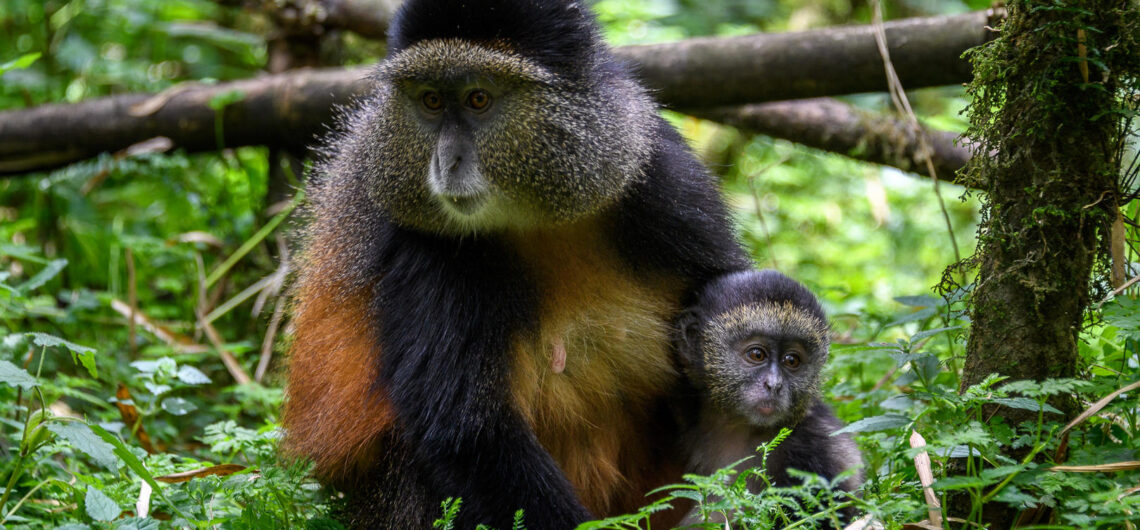
Imagine pushing through thick mist in the Virunga Mountains. Suddenly, a flash of orange darts across the bamboo. That’s a golden monkey, its fur glowing like fire against the dark green forest. These rare primates pull you into their world with one quick leap.
Is Golden Monkey Trekking Worth It? Golden monkey trekking lets you spot these lively creatures up close. You can find them in Volcanoes National Park in Rwanda or Mgahinga Gorilla National Park in Uganda. Both spots offer guided hikes to see habituated troops. But is golden monkey trekking worth it? Does the thrill beat the cost and effort? Let’s break it down step by step.
The Golden Monkey Trekking Experience: What to Expect
Locating the Troops: Trails and Habituation Status
Golden monkey trekking starts early, often at 7 a.m. from park headquarters. Rangers lead you on paths that wind through bamboo thickets and fern-covered slopes. Unlike gorilla treks, these hikes usually last just 30 minutes to two hours to reach the group.
Only a few troops are habituated, meaning they’re used to humans. In Rwanda, the Karisoke group stays in a fixed area, making spotting easier. You get one hour to watch them once found. Uganda’s troops might move a bit more, but guides track them with radios.
This short time limit keeps the monkeys safe from stress. Expect playful jumps and chatter as they forage. It’s a quick but intense peek into their daily life.
Physical Demands and Accessibility
These treks rank as moderate compared to gorilla hikes. You might climb steep bits or cross muddy spots, but nothing extreme. Most paths suit average fitness levels—no need for days of training.
Wear sturdy hiking boots with good grip. Pack rain gear too, since mountain weather shifts fast. If you have knee issues, ask for a porter to carry your bag and ease the load.
Kids over 15 often join in Rwanda, but check rules. It’s doable for most, even after a long flight. Just build in a rest day if you’re new to altitude.
Ethical Encounters and Visitor Guidelines
Stay at least seven meters away from the monkeys. This rule protects them from diseases we carry. Guides enforce it strictly, so listen up.
No flash photos allowed. It startles the animals and harms their eyes. Use quiet voices and avoid feeding them—let nature take its course.
Parks stress minimal impact. Your fee helps fund rangers who guard against poachers. Follow these tips, and you leave with clear memories, not regrets.
Comparing Costs and Logistics: Value Assessment
Permit Fees Breakdown (Rwanda vs. Uganda)
In Rwanda’s Volcanoes National Park, a golden monkey permit costs $75 for foreigners in 2026. Uganda’s Mgahinga park charges $100, but locals pay less at $50. Prices stay steady year-round, unlike gorilla permits that spike in peak season.
Rwanda bundles the permit with community walks sometimes. Uganda might add a small conservation fee. Both require advance booking—spots fill quick, especially June to September.
Check for group discounts if traveling with family. At these rates, it’s a steal next to gorilla trekking’s $1,500 tag.
Associated Trip Expenses
Guides come free with your permit, but tip them $10 to $20. Park entry is included in Rwanda, but Uganda adds $40 per day. Transport from Kigali to Musanze runs $100 by shared van—book ahead.
Lodges near the parks start at $150 per night, with meals. Factor in $50 for porters if needed. Total for a solo day trip? Around $300, including basics.
Shared taxis cut costs from Uganda’s Kisoro town. Plan your route to avoid extras like airport shuttles.
Time Investment: Half-Day Activity vs. Full-Day Commitment
Golden monkey treks wrap up by noon most days. You start at the briefing, hike out, and return for lunch. This leaves afternoons free for village visits or spa time.
Pair it with a full-day gorilla trek the next day. It fits neatly into a short trip—no wasted hours. Even busy folks squeeze it in.
For longer stays, it’s a low-key option after tougher adventures. You get the wildlife fix without full exhaustion.
The Uniqueness Factor: Why Golden Monkeys Stand Apart
Distinctive Behavior and Visual Appeal
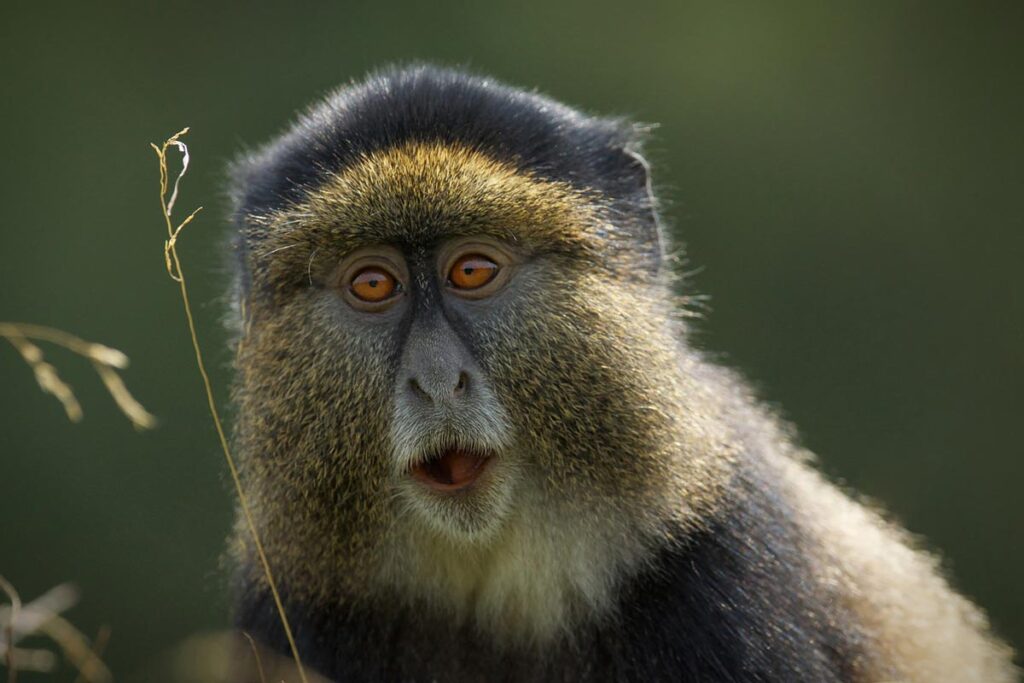
Golden monkeys bound through trees like kids on a playground. Their thick orange fur contrasts with black faces and legs. Watch them twist mid-air or groom each other—pure energy.
Gorillas sit calm and majestic. These monkeys dash and play, turning the forest alive. Rangers say troops of 20 to 50 stick close, sharing food and chases.
That vibrant color pops in photos. It’s a lively show you won’t forget, far from the quiet gorilla stare.
Conservation Success Stories
Only about 3,000 golden monkeys roam the wild, mostly in these parks. Trekking brings in cash for patrols that stop habitat loss. In Rwanda, numbers rose 20% since 2015 thanks to such efforts.
Uganda’s program habituated its first troop in 2019. Revenue plants trees and fights snares. Your visit directly aids this rebound.
Experts track troops with collars. It’s a win for a species once near extinction.
A Gateway to Primates: Suitability for Families and Novices
Start with golden monkeys if gorillas seem too hard. Shorter hikes mean less strain for teens or older adults. It’s a fun intro to tracking without the sweat.
Families love the monkeys’ antics—kids stay engaged. No age minimum in Uganda for little ones with parents. It builds excitement for bigger safaris.
Novices get hooked here first. You learn basics like silence and respect. Soon, you’re ready for more.
Maximizing Your Trek: Essential Insider Tips
Best Time of Year to Go
Go in dry months, June to September or December to February. Trails stay firm, and mist clears for better views. Rainy seasons from March to May make paths slick and monkeys harder to spot.
February 2026 looks mild—book now for clear skies. Avoid weekends if crowds bother you. Early mornings beat the heat every time.
Pack layers; mornings chill, days warm up.
Photography Advice for Fast-Moving Subjects
Set your camera to shutter speed of 1/500 or faster. That freezes leaps in sharp detail. Bump ISO to 800 in the shady bamboo.
Use a 200mm lens for distance shots. Steady your hands or use a monopod—trees shake less. Burst mode catches sequences of play.
Practice on birds at home. Golden light filters through leaves, so expose for the fur’s glow.
Combining Treks: The Gorilla/Golden Monkey Synergy
Book golden monkeys on day two of a three-day Volcanoes stay. Do gorillas first if you’re fit—save energy. In Rwanda, both start from the same base.
In Uganda, add a Batwa cultural walk between. A four-day plan covers both parks with one border cross. Hire a driver for smooth shifts.
This combo maximizes value. You see two primates, double the stories.
Conclusion: Final Verdict on Worthiness
Golden monkey trekking shines in ease and fun. It’s cheaper than gorillas, quicker on the trail, and full of lively sights. Conservation perks add heart—your steps help save them.
Yes, it’s worth it. The orange flash and forest energy make every penny count. Especially if you pair it with other Rwanda or Uganda adventures.
Grab those permits soon. Head out and meet the monkeys. You’ll return with tales that stick.
Book your next adventure with Amakula African Safaris and experience Africa the right way.
We offer expertly guided, personalized safaris that bring you closer to wildlife, culture, and unforgettable moments.
Travel with confidence—your dream safari starts with Amakula