
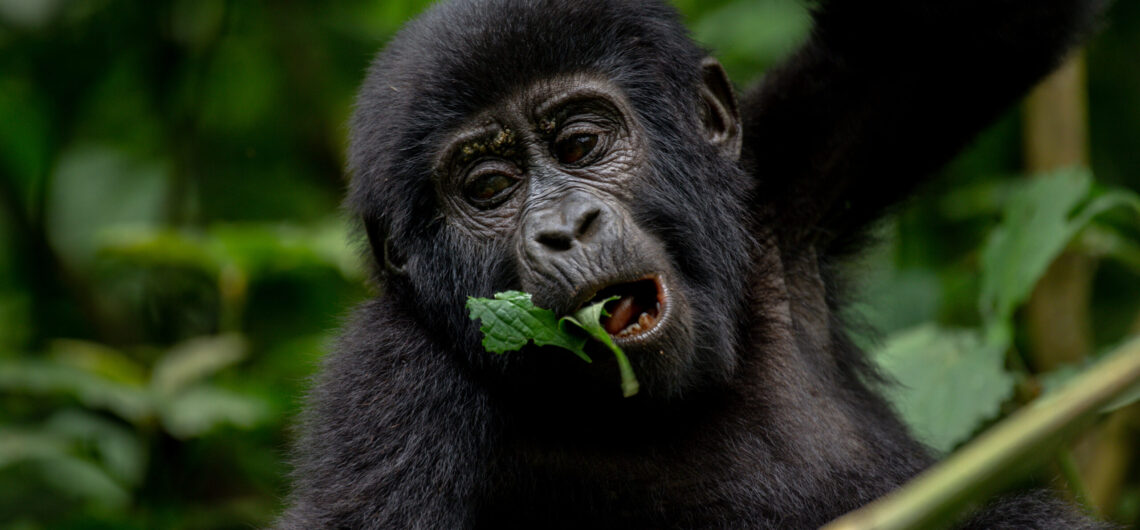
Imagine locking eyes with a silverback gorilla, just feet away in a misty forest. That’s the magic of Uganda gorilla trekking tours. Uganda holds half the world’s mountain gorillas, making it the top spot for this rare adventure. You’ll trek through lush jungles in places like Bwindi and Mgahinga, chasing these gentle giants. The thrill hits hard—it’s not just a hike; it’s a heart-pounding connection to nature that changes how you see the world.
Why Choose Uganda for Mountain Gorilla Trekking? The Comparative Advantage
Uganda stands out for gorilla trekking because it offers more bang for your buck than spots like Rwanda or the Democratic Republic of Congo. Here, you get denser gorilla groups in safer, more accessible parks. Costs run lower, and the experience feels more personal with smaller groups. Plus, Uganda’s setup lets you mix trekking with other safaris, like spotting chimps or elephants nearby.
Think about value: Rwanda charges a bit more for permits, and the DRC can feel riskier due to unrest. Uganda keeps things stable, with better roads leading to the parks. Your money goes further here, covering conservation that helps gorillas thrive. If you’re hunting the best Uganda gorilla trekking tours, this edge makes it the smart pick.
Bwindi Impenetrable National Park: The Gorilla Heartlandhttps://www.amakulaafricansafaris.com/

Bwindi Impenetrable National Park earned its UNESCO World Heritage badge for good reason—it’s a thick rainforest bursting with over 300 mountain gorillas. This park splits into four main sectors: Buhoma, Ruhija, Rushaga, and Nkuringo. Each one fits different needs, from easy walks to tougher climbs.
Buhoma suits beginners with flatter trails close to lodges. Ruhija offers birdwatching bonuses amid steeper paths. Rushaga packs in more gorilla families for frequent sightings. Nkuringo gives remote vibes with views over the plains. Pick based on your stay—stay near Rushaga if you want quick access and medium challenge. Guides say Buhoma’s trails cut travel time, letting you rest more.
No matter the sector, expect a real workout in the mud and vines. But the payoff? Up close views of family life among the gorillas. Bwindi’s setup makes Uganda gorilla trekking tours feel tailor-made for every traveler.
Mgahinga Gorilla National Park: Volcano Views and Golden Monkeys
Mgahinga Gorilla National Park sits in the shadow of three Virunga Volcanoes, adding drama to your trek. It’s smaller than Bwindi but packs a punch with just a few gorilla groups and golden monkeys. You can track both in one trip, a combo Rwanda can’t match easily.
The park’s habituated Nyakagezi group lets you see lively dynamics—moms with babies and playful juveniles. Treks here often climb volcanic slopes, but the views of Sabinyo, Gahinga, and Muhavura make it worth the sweat. Golden monkey tracking adds fun; these orange furballs leap through bamboo like acrobats.
For a twist on standard Uganda gorilla trekking, Mgahinga delivers. Groups here number around eight people, keeping it intimate. Local rangers share stories of the volcanoes’ lore, tying your adventure to the land’s history.
Gorilla Permit Pricing and Value Proposition
Gorilla permits in Uganda cost a set fee, around $800 per person in peak times, dropping to $700 in quieter months. Book through the Uganda Wildlife Authority for the real deal. That price covers your trek slot, ranger guide, and a slice for park upkeep.
What do you get? Entry to habituated families, ensuring safe, ethical views. Fees fund anti-poaching patrols and vet care for sick gorillas. In low season, from March to May or September to November, you save cash and dodge crowds.
Peak times like June to August or December to February fill fast, so plan ahead. Your permit supports a system where gorilla numbers have climbed from 300 in the 1980s to over 1,000 today. It’s not just a ticket; it’s a vote for their future.
Planning Your Trek: Essential Logistics and Preparation
Getting ready for Uganda gorilla trekking tours starts with smart choices on timing and gear. These steps turn a dream trip into smooth reality. Focus on fitness, weather, and what to pack—details that keep you safe and excited.
Best Time to Go: Weather Patterns and Accessibility
Dry seasons from June to August and December to February make the best Uganda gorilla trekking tours. Trails stay firm, and mist clears for better views. Rain’s light then, so hikes feel easier on the knees.
Wet months, like March to May, bring lush green but slick paths. Fewer folks mean quicker bookings, and gorillas munch more visible plants. Just pack extra rain cover—trails can turn to mud baths.
December 2025 looks dry in southern Uganda, perfect if you’re heading out soon. Check park updates for road access; some tracks improve post-rains. Your choice balances comfort with crowd levels.
Physical Fitness Requirements and Acclimatization
Gorilla treks demand decent shape—no marathons needed, but steady effort counts. Trails hit 5,000 to 8,000 feet in altitude, with steep ups and downs over roots and streams. You might hike two to seven hours each way.
Build cardio with brisk walks or stair climbs weeks before. Strengthen legs via squats and hikes with a pack. If you’re from sea level, arrive in Uganda a day early to adjust—headaches fade faster.
Rangers sort groups by fitness at briefing, so own up to limits. One trekker shared how hill training cut her fatigue in half. Stay hydrated; it’s key in humid air.
Packing List Essentials for Uganda Gorilla Treks
Pack light but smart for mountain gorilla trekking in Uganda. Start with broken-in hiking boots—new ones blister fast on rough ground. Add waterproof pants and a poncho; jungle downpours hit quick.
Insect repellent with DEET for tsetse flies.
Long sleeves and pants to guard against scratches.
A daypack for water, snacks, and camera.
Binoculars for spotting wildlife en route.
Layers: a fleece for cool mornings, hat for sun.
Guides in Bwindi swear by gaiters to block mud. Skip cotton socks; wool dries faster. Toss in gloves for grabbing vines—your hands thank you.
The Day of the Trek: What to Expect on the Trail
Your Uganda gorilla trekking tour day starts early, around 7 a.m., with coffee and nerves. From park gates to gorilla hugs, it’s a mix of sweat and wonder. Here’s the flow, so you know what hits when.
Morning Briefing and Group Allocation
Head to headquarters for the 7:30 a.m. briefing. Rangers from the Uganda Wildlife Authority explain rules: no touching gorillas, stay quiet. They quiz your fitness to match you with a family—easy or hard hike.
Groups max at eight, plus a guide and armed scout for safety. You draw lots or choose based on location. One hiker got the gentle Bunagana family, a win for short legs.
Briefings last 30 minutes, then you’re off in 4x4s to trailheads. Excitement builds as you hear gorilla whereabouts from night trackers.
Tracking the Gorillas: The Search and the Encounter Rules
Tracking begins with a forest walk, following clues like nests or dung. Your guide points out birds and monkeys along the way. It takes 30 minutes to three hours to find them—patience pays off.
Once there, you watch for one hour only. Keep seven meters back; closer if they approach. No flash, no eating—rules cut stress on the animals.
Silverbacks might charge a bluff, but it’s rare. Babies tumble and play, stealing the show. The hour flies; rangers signal end with a whisper. Head back changed, replaying the stares.
Photography Tips for Low-Light Jungle Conditions
Jungle light filters dim through leaves, so set your camera wide. Use aperture f/2.8 or lower for sharper shots in shade. Bump ISO to 800-1600, but watch noise.
Stabilize with a strap—no tripods on trail. Shoot bursts for moving gorillas; raw files help later edits. Avoid zoom; get close ethically for better frames.
One tip from pros: underexpose slightly, fix in post. Your Uganda gorilla trekking photos capture magic—eyes that pierce the soul.
Conservation and Community: The Impact of Your Tour
Your trek does more than thrill; it aids gorillas and folks nearby. Tourism cash builds fences and schools. Choose wisely, and you leave a positive mark.
Supporting Mountain Gorilla Conservation Efforts
Permit fees bankroll patrols that stop poachers cold. Uganda’s program has stabilized gorilla numbers, up 25% in a decade. Vets treat injuries, and trackers monitor health daily.
Habitation started in the 1990s, letting us visit without harm. Your visit funds seed banks for habitat regrowth. It’s proof tourism heals what it loves.
Benefits for Local Communities
Villages around Bwindi run crafts and homestays, earning from your stay. Guides and porters get jobs, lifting families. Revenue shares build clinics and water points.
In Mgahinga, Batwa people lead cultural walks, reclaiming pride. Book local operators—they reinvest in roads and schools. One tour group funded a village library last year.
Pick outfits that hire locals; it turns tourism into shared wins.
Conclusion: Securing Your Unforgettable Ugandan Adventure
Uganda gorilla trekking tours deliver a raw, soul-stirring encounter with mountain gorillas unmatched anywhere. From Bwindi’s dense forests to Mgahinga’s volcanic flair, you’ve got options for every style. Plan with dry-season timing, solid fitness, and smart packing to nail the logistics.
Permits sell out fast, so grab yours now through official channels. Weigh costs against Rwanda’s pricier tags—Uganda wins on value. Dive into conservation perks, and book with community-focused pros.
This adventure awaits. Step into the mist, meet the gorillas, and carry the wild home forever. Your primate quest starts today—what’s stopping you?