
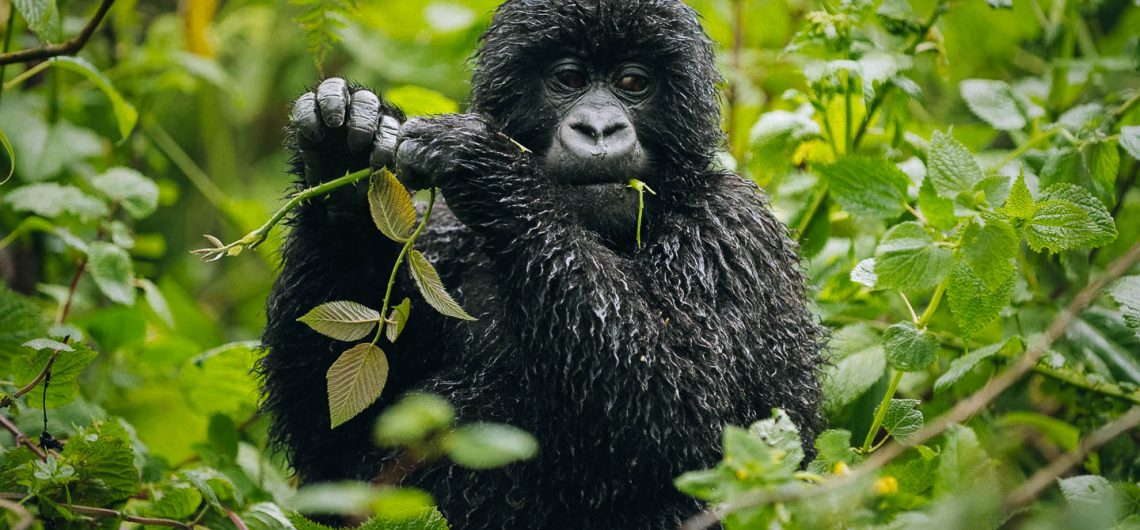
You wake up to the sound of birds in the thick, wet forest. Mist clings to the trees, and the air feels cool. You are not in a crowded park where trucks line up to see a single lion. You are in the heart of Africa, witnessing something few travelers ever see. For years, people have flocked to the open plains of Kenya and Tanzania. While those places are iconic, they have become busy and predictable. Uganda offers a different path. It is raw, authentic, and wild. If you want a trip that feels like a true expedition, this emerald jewel of a country is your next destination.
1. The Unrivaled Gorilla Trekking Experience
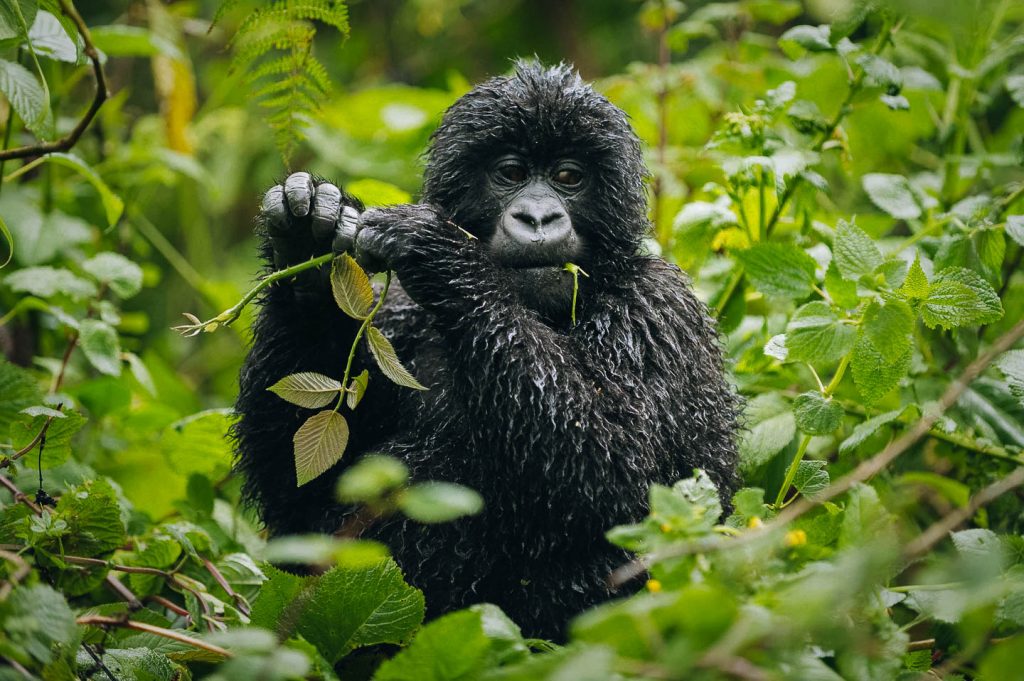
The mountain gorilla is the main draw for many visitors, and for good reason. Nowhere else can you get as close to these gentle giants in their natural home.
Gorilla Habituation and Population Density
Uganda protects about half of the world’s mountain gorilla population. You can track them in Bwindi Impenetrable National Park or Mgahinga Gorilla National Park. Because these parks are so well-managed, your chance of seeing a gorilla family is near 100 percent. The rangers spend years getting these groups used to humans, so the animals go about their day as if you are not even there.
The Golden Monkey Spectacle
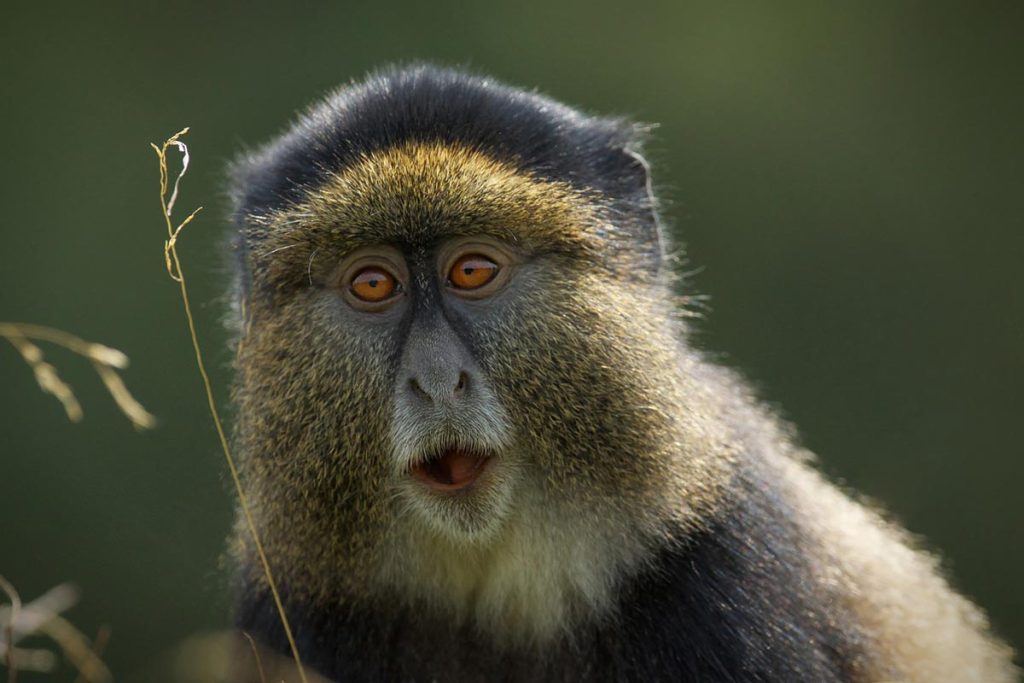
While the gorillas get the fame, the golden monkeys are a hidden treat. You can find them in the bamboo forests of Mgahinga. These small, bright primates are active and fun to watch. Tracking them adds a layer of excitement to your morning. Many travelers find that watching these monkeys play is just as memorable as seeing the gorillas.
Responsible Tourism and Permit Value
Uganda treats conservation as a priority. The permit fees you pay go directly back into protecting the gorillas and supporting local villages. Because the government limits the number of daily visitors, you never feel crowded. You get an intimate hour with the gorillas that feels personal, unlike the busier operations in neighboring countries.
2. Primates Galore: Beyond the Gorillas
Uganda earns its title as the “Primate Capital of the World.” The density of monkeys and apes here is unmatched across the continent.
Chimpanzee Tracking in Kibale Forest
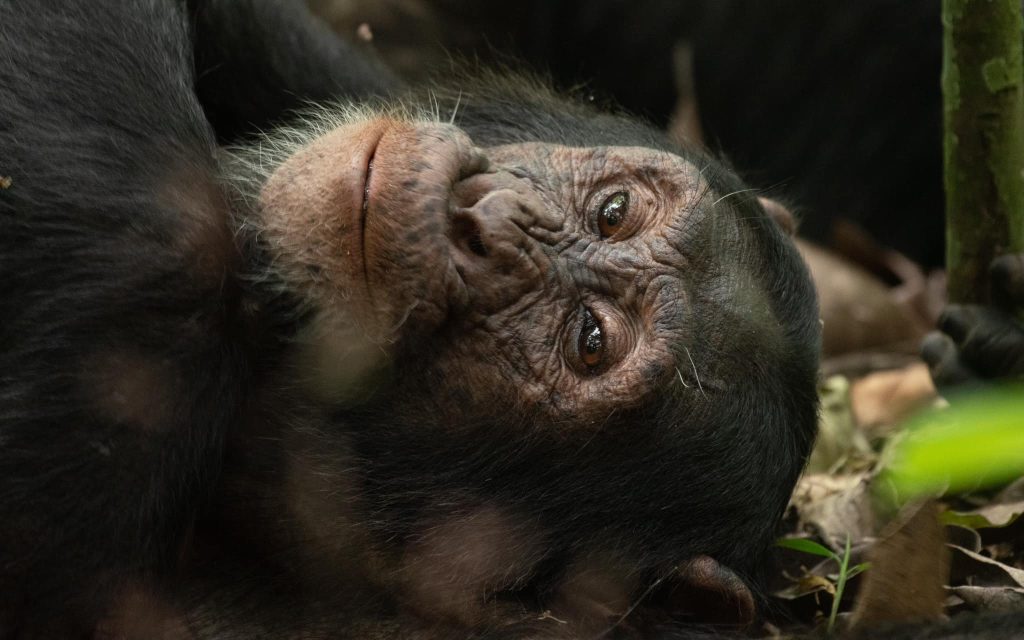
Kibale Forest is the best place on Earth to see chimpanzees. You will walk through the trees and hear them calling out long before you see them. The success rate for sightings is very high here. For a deeper look, you can choose the habituation experience. This lets you spend an entire day with researchers and a group of chimps, watching them feed, play, and interact.
Diverse Primate Habitats
Beyond chimps and gorillas, the country is full of life. You can spot Colobus monkeys, vervet monkeys, and baboons in many parks. Places like the Kyambura Gorge or Maramagambo Forest are great for spotting these animals. It is common to see several types of primates in a single day, which makes every walk through the woods a surprise.
3. The Mighty Nile and Unique Water Safaris
The Nile River is the lifeblood of Uganda, and its presence changes everything. The water creates a different kind of safari than you find in dry, dusty parks.
Murchison Falls: The World’s Strongest Waterfall
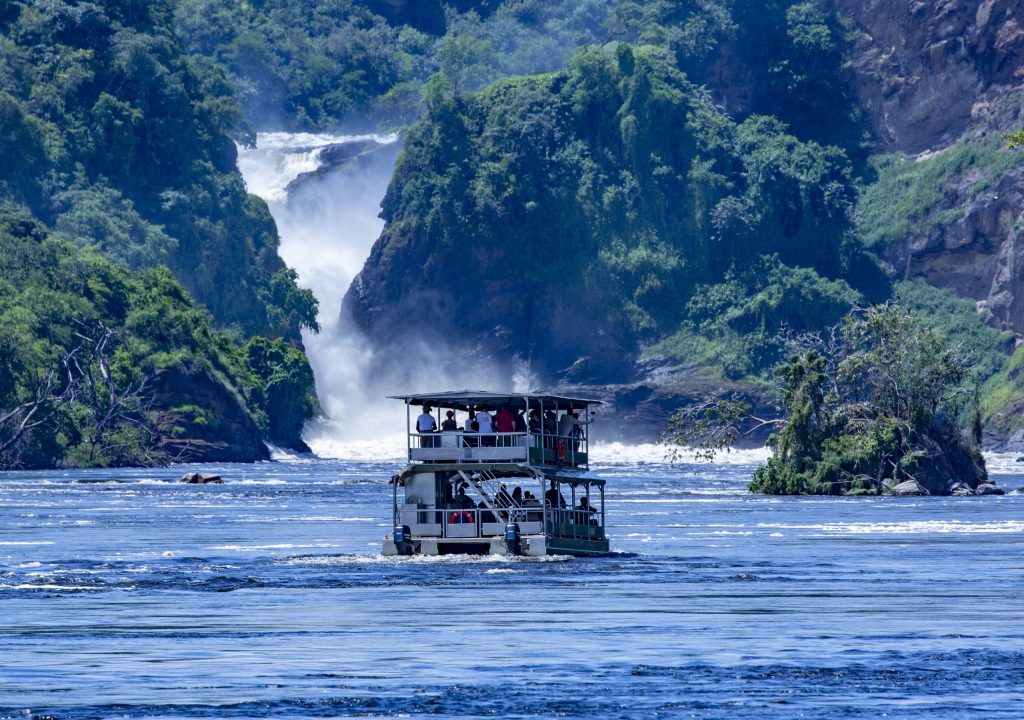
Murchison Falls is a sight that stays with you. The entire Nile River squeezes through a gap only seven meters wide. The power of the water is immense. Taking a boat cruise to the base of the falls is a must. You will see massive crocodiles basking on the banks and hippos cooling off in the water.
Classic Savannah Wildlife in the North
Murchison Falls National Park offers more than just the river. The northern plains are home to lions, giraffes, elephants, and leopards. It is a rare treat to be on a boat watching hippos, only to look up and see a giraffe standing on the ridge above you. This mix of river and land wildlife makes for fantastic photography.
4. Terrain Diversity: From Snowcaps to Jungles
Uganda packs more variety into a small area than almost any other country. You can go from an icy mountain to a hot savannah in just a few days of driving.
Climbing the Rwenzori Mountains
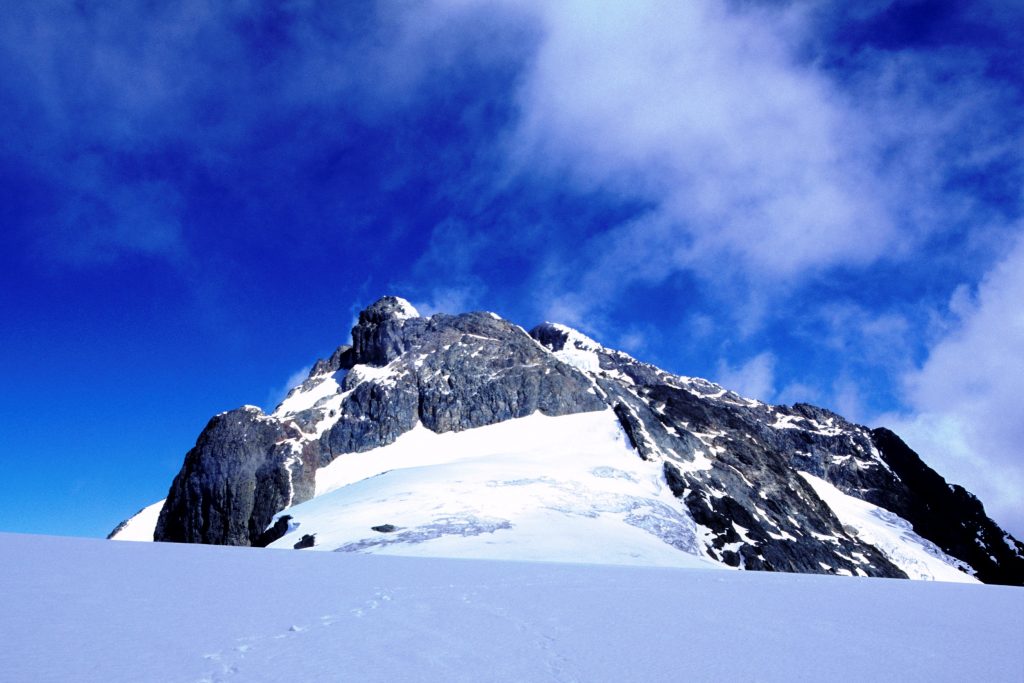
The Rwenzori Mountains, or “Mountains of the Moon,” offer a wild escape. These mountains sit right on the equator but still have glaciers at the top. Trekking here is a real challenge for hikers. It is a world away from the bush safari experience, offering jagged peaks and high-altitude views that few people get to see.
Volcanic Terrain and Crater Lakes
The area around Fort Portal is stunning. The region is dotted with dozens of explosion craters and deep, blue lakes. The scenery is lush and green, with hills that seem to roll on forever. Walking around these craters is peaceful and offers a great look at the geological history of the area.
Savannah and Wetland Interfaces
Queen Elizabeth National Park shows off this diversity perfectly. You can spend the morning in the savanna, then head to the Kazinga Channel in the afternoon. The channel connects two lakes and is teeming with life. It creates a natural border where land and water meet, drawing in animals from all sides.
5. Exceptional Birdwatching Paradise
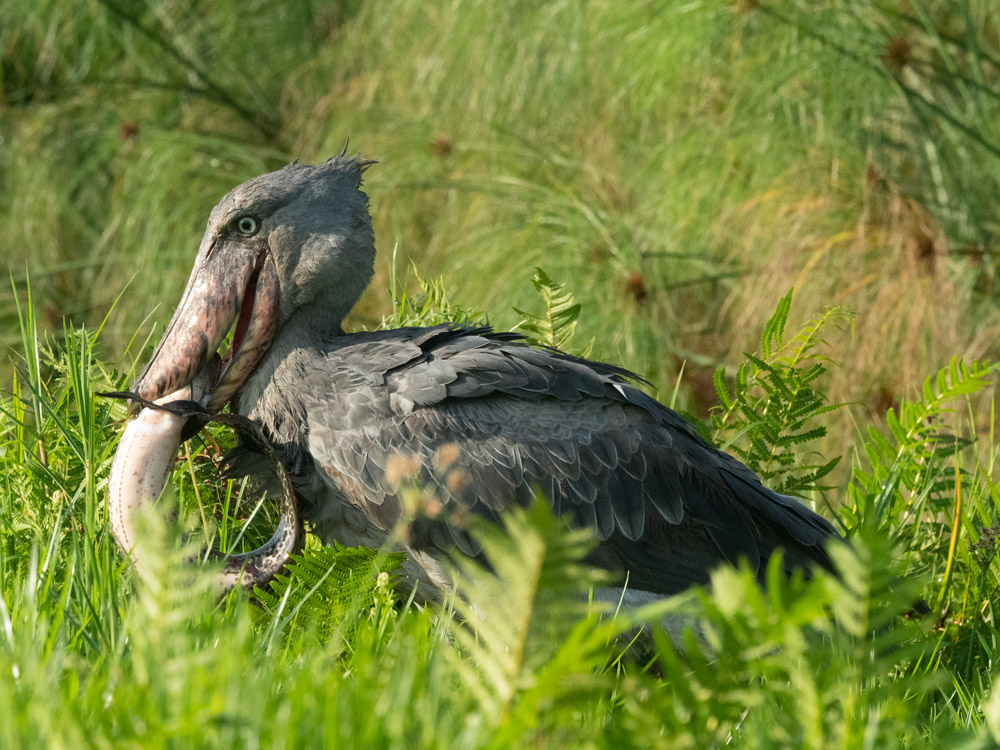
If you love birds, Uganda is a dream. The country hosts over 1,000 bird species, which is a massive number for its size.
Endemic and Sought-After Species
The star of the show is the Shoebill Stork. This prehistoric-looking bird lives in the wetlands and is a top target for birders. It is hard to find, but seeing one stand still in the reeds is an unforgettable moment. Other rare birds, like the African Green Pitta, keep serious birdwatchers coming back year after year.
Birding Hotspots Beyond the Main Parks
You do not need to stick to the big game parks to see great birds. Mabamba Swamp is famous for the Shoebill, while Budongo Forest is a haven for forest species. Because the habitats are so varied, you can add dozens of new birds to your list in just a single week.
6. Accessibility and Visitor Experience
People often think a remote safari is hard to plan, but Uganda is surprisingly easy to manage. You get more for your money here than in most other safari destinations.
Shorter Travel Times Between Regions
While the roads can be bumpy, the distance between the parks is manageable. You can build a 10 to 14-day trip that covers gorillas, chimps, and the Big Five without spending all your time in a car. The compact size of the country means you spend less time moving and more time exploring.
Value Proposition for Premium Experiences
The cost of a gorilla permit might seem high, but it is a bargain for the experience you get. When you add up flights, lodges, and park fees, a Ugandan safari often costs less than a similar trip in the Serengeti or the Masai Mara. You can find high-quality luxury lodges that offer comfort without the extreme price tags of more famous parks.
For the best weather, plan your trip during the dry seasons. These are June through August and December through February. During these months, the trails are easier to walk and the wildlife is easier to spot.
Conclusion
Uganda stands out as a complete African adventure. It combines the thrill of primate tracking, the power of the Nile, and the beauty of diverse terrain into one accessible package. It offers a level of raw, authentic connection to nature that is hard to find anywhere else today. If you are tired of the crowds and want a true safari experience, Uganda is waiting for you. Book your ticket and discover this emerald jewel before the rest of the world finds out.