
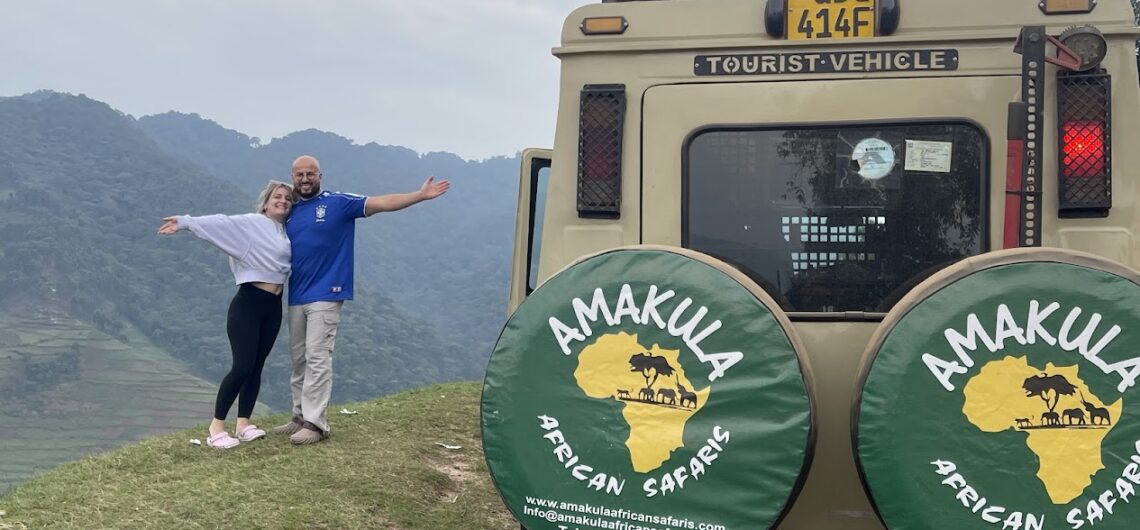
Imagine standing just feet away from a silverback gorilla in the misty forests of Bwindi Impenetrable National Park, surrounded by the soft grunts of the family group—a rare and unforgettable connection with one of Earth’s most extraordinary creatures. Uganda is home to half the world’s mountain gorillas, making this trek a true bucket-list adventure. The best time of Year for Gorilla Trekking in Uganda falls during the dry months of June to August and December to February, when trails are clear, and wildlife sightings are at their peak, though shoulder seasons offer fewer crowds and special deals. Here’s everything you need to plan your perfect gorilla trekking experience..
Understanding Uganda’s Climate Zones for Trekking
Uganda sits on the equator, so its weather stays warm and consistent. But gorilla habitats in Bwindi and Mgahinga feel the rain more than most spots. Knowing these patterns helps you pick the right window for your gorilla trekking Uganda adventure.
Two Distinct Seasons: Wet vs. Dry
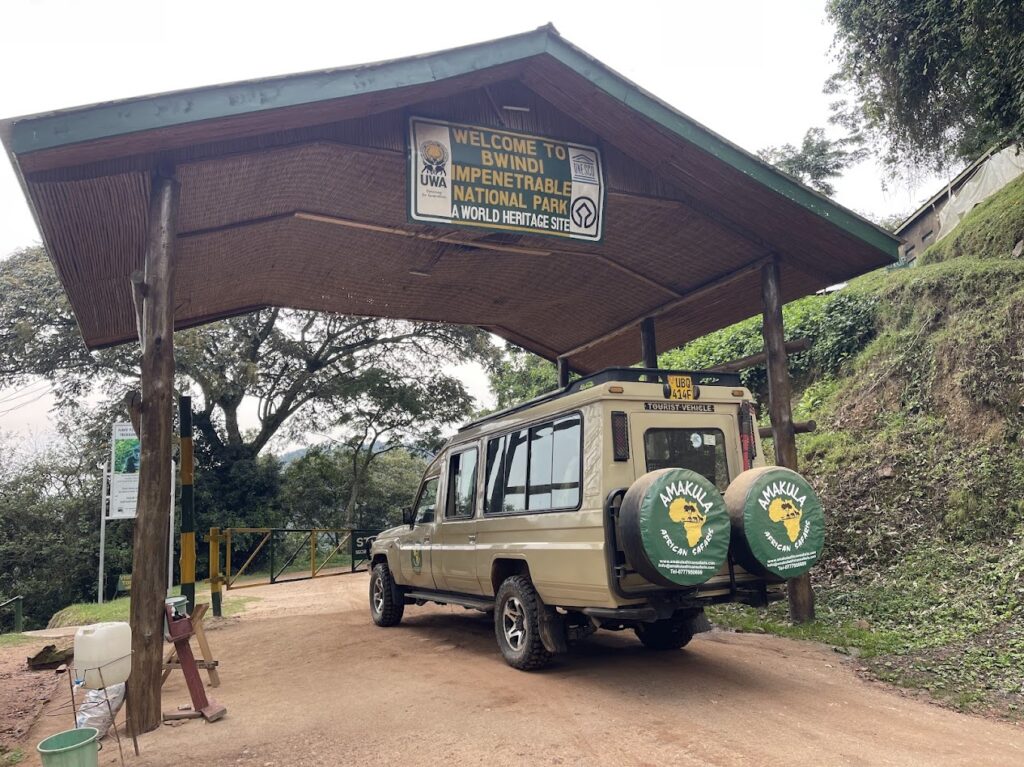
Rain falls heavy from March to May and September to November, with up to 200 inches a year in Bwindi’s forests. Trails turn slick, and streams swell fast. Dry spells hit from December to February and June to August, when rain drops to just 50 inches. Days stay sunny, nights cool off a bit. These dry months make hikes shorter and safer for spotting gorillas up close.
Gorilla trekking happens daily, rain or shine. But wet seasons mean more leeches and muddy slips. Dry times let you focus on the animals, not the elements.
Altitude and Microclimates in Bwindi.
Bwindi rises from 3,900 to 8,800 feet, so weather shifts with height. Buhoma’s lower trails stay warmer, even in dry months. Up in Ruhija, fog rolls in quicker, especially at dawn. Pick your sector based on comfort—lower for easier walks, higher for quieter spots.
Microclimates mean no two days match perfectly. A dry June in Buhoma might feel crisp, while Nkuringo stays humid. Check local forecasts, but trust the dry seasons for the steadiest conditions overall.
These differences shape your trek. Higher spots often hide gorillas in thick brush, but dry air cuts through the haze.
Impact of Rainfall on Gorilla Behavior.
Rain sends gorillas to lower slopes, where food grows thick. You might find them munching bamboo just off the trail, shortening your hike to an hour. Heavy downpours keep them huddled, so viewing lasts the full hour permitted. In dry weather, they roam higher, adding two to seven hours to your effort.
Wet months change their nests too—built closer to ground for shelter. This can make groups easier to track. Still, rangers guide you right, so success rates hover near 100% year-round.
Behavior ties to food. Rain boosts fruit, drawing families out more. Dry spells concentrate them near streams, boosting close encounters.
Peak Season Advantage: The Dry Months (June to August and December to February)
Most experts call June to August and December to February the prime time for gorilla trekking in Uganda. Trails dry out, crowds peak with energy, and views pop. If ease tops your list, these months deliver.
Optimal Trail Conditions and Accessibility
Dry ground means no mud pits sucking at your boots. Paths firm up, cutting trek times and fatigue. Rangers move faster, reaching gorillas in under two hours often.
You avoid river crossings that swell in rain. Roads to parks stay passable, so transfers from Kampala run smooth. This setup suits first-timers or those with light fitness.
Even steep climbs feel doable without slips. Many trekkers report the best memories from these clear days.
Visibility and Photography Opportunities
Less rain clears the mist, letting sunlight filter through leaves. Spot a gorilla family from 50 feet away, not shrouded in fog. Cameras love the sharp light—no blurry shots from drizzle.
Birds flock more in dry air too, adding bonus sights. Pack a good lens; golden hours around dawn yield stunning portraits. Pros say these months beat wet ones for pro-level photos hands down.
Views extend farther, showing Bwindi’s full green sweep. It’s like the forest opens up just for you.
Trade-offs of High Season: Booking and Costs
Demand surges, so book permits six to twelve months ahead. Uganda Wildlife Authority sells 96 daily slots across eight families—gone fast in peaks. Prices hold at $800 per person, but lodges jack up rates by 20-50%.
Expect groups of eight per trek, sharing the magic. Solo vibes fade with chatter. Still, the buzz adds excitement for many.
Weigh it against your schedule. Last-minute spots cost extra through agents. Plan early to lock in your slot.
The Shoulder Seasons: Excellent Value and Fewer Crowds
https://rdb.rw/investment-opportunities/invest-in-tourism/Right before or after peaks, like late February or early September, offer smart middle ground. Weather holds fair, prices dip, and you share trails with just a handful. These times suit budget hunters chasing quiet gorilla moments.
March to May (The First Wet Season)
Rains start light, then build. Vegetation explodes in green, framing gorillas like a painting. Crowds thin by half, so your hour with the family feels private.
Mud builds, but short bursts keep it manageable. Treks average three hours, with lush paths hiding surprises. Permits sometimes drop to $700, saving you cash.
It’s raw Uganda—fewer tourists mean real immersion. Bring grit, and you gain stories others miss.
September to November (The Second Wet Season)
Showers come quick and fade, not all-day affairs. Skies clear by noon often, giving afternoon treks dry starts. Gorillas nest low, making finds faster.
Visitor numbers stay low, with permits easier to snag last-minute. Lodges offer deals, cutting package costs by 30%. It’s a sweet spot for value seekers.
Rains feed rivers, so side hikes to waterfalls shine. Balance hits here—good weather without the peak rush.
Practical Tips for Trekking in the Rains
Pack gaiters to block mud from boots. A poncho beats umbrellas in thick brush. Layer quick-dry clothes; wet ones chill you fast.
Wear sturdy, waterproof hikers with good tread. Trek poles help on slopes—rent if needed. Start early to beat heavy afternoon rains.
Expect delays if paths flood, but rangers adjust. Stay flexible; the gorillas wait no matter what.
Comparing Trekking Experiences Across Seasons
Your choice boils down to what you value most—comfort, cost, or solitude? Dry peaks ease the way but cost more. Wet shoulders save money and space. Let’s stack them up for your gorilla trekking Uganda plan.
Budget Implications: Low Season vs. High Season Pricing
January permits run $800, with lodges at $300 a night. April drops to $700 permits and $200 rooms—total savings of $500 per day easy. Packages follow suit, bundling safaris cheaper off-peak.
Flights and transfers hold steady, but deals pop in rains. Budget travelers thrive in May, stretching funds for extras like chimp tracking.
High season pays for polish—better guides, fancier stays. Low times test your thrift.
Wildlife Spotting Beyond Gorillas
Dry months cluster birds like the African grey parrot near clearings. You spot colobus monkeys leaping high. Wet seasons bloom orchids, drawing butterflies and rare frogs.
Both bring elephants in Mgahinga, but rains swell streams for hippo views nearby. Seasons shift the mix—dry for mammals, wet for plants.
Bwindi packs 350 bird types year-round. Pick based on your wishlist; gorillas steal the show anyway.
The “Always Possible” Factor: Trekking is Not Weather-Dependent
Gorillas habituate daily, rain or not. Rangers track them overnight, so you meet your group by 11 a.m. Cancellation rates sit under 1%, even in storms.
Focus on fitness over forecasts. A good trek hinges on prep, not clouds. Comfort sways the call, but adventure rolls on.
This reliability lets you chase dreams any month. Uganda’s gorillas don’t take breaks.
Essential Pre-Trek Planning and Booking Checklist.
Nail the details before you go. Permits top the list, but health and routes matter too. Here’s how to sort it, no matter your season.
Securing Gorilla Permits: The Most Crucial Step
Book through Uganda Wildlife Authority or trusted operators like Amakula African Safaris ltd. Aim three to six months ahead for dry times; one month works for wet. Each permit names you and sets your date—non-transferable.
Costs cover rangers and conservation. Kids under 15 skip fees but need fitness checks. Confirm via email; fakes flood the market.
Agents handle bundles with transport. Go official to avoid scams.
Health and Safety Considerations for Different Months
Malaria risk stays high year-round—pack nets and pills. Yellow fever shots required; get them early. Dry months mean less mosquito buzz, but wet amps it up.
Altitude hits in Bwindi’s peaks—hydrate and ease in. Cold nights in June call for warm layers. Wet treks risk slips; build stamina.
Vaccines and insurance cover bases. Consult docs for personal needs.
Recommended Duration for Multi-Park Itineraries
Plan seven to ten days total. Trek one day, add Queen Elizabeth for lions—two hours drive in dry, longer in mud. Combine with Kibale chimps for a full primate tour.
Roads smooth out post-rain, but peaks speed things. Budget two buffer days for weather. Itineraries flex; guides adapt.
This setup maximizes Uganda’s wild side without rush.
Conclusion: Your Ideal Gorilla Trekking Window
Dry months from June to August and December to February top the list for gorilla trekking in Uganda, with firm trails and clear sights that make every step worth it. Shoulder seasons like March to May or September to November deliver lush views, fewer people, and better prices if you’re okay with some rain. No matter the pick, permits book fast, so start now.
Think about your style—crowd tolerance, wallet, and weather prefs guide you. Early planning unlocks this life-altering meet with gentle giants. Grab your spot; Bwindi waits to amaze.