
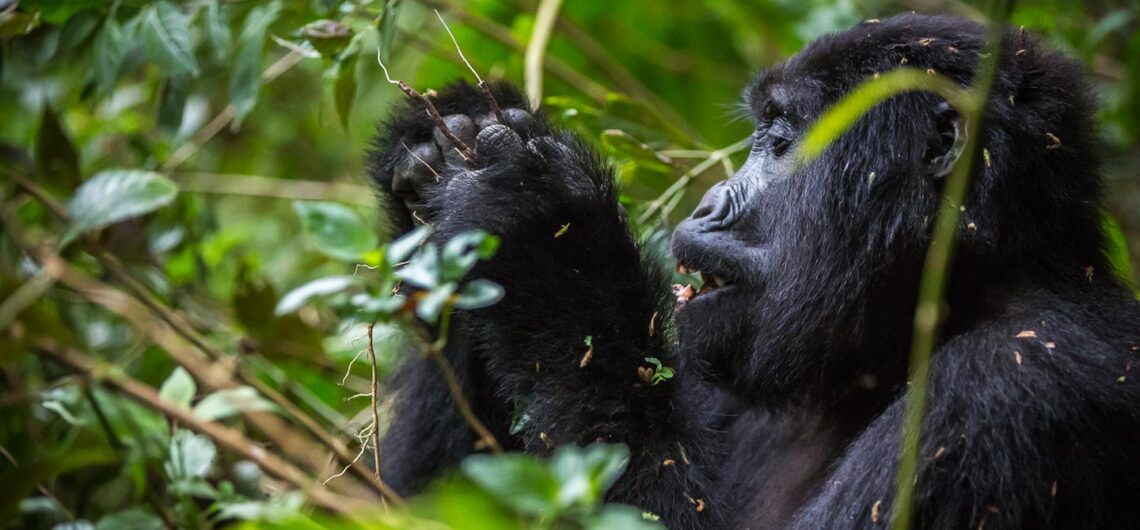
Imagine pushing through misty forests, heart pounding, until a silverback gorilla locks eyes with you. That raw moment changes everything. Uganda stands out as a top spot for this thrill, home to half the world’s mountain gorillas in places like Bwindi Impenetrable National Park and Mgahinga Gorilla National Park. These gentle giants draw you in, and your visit helps protect them. Tourism funds keep habitats safe and supports rangers on the ground.
Understanding Uganda Gorilla Trekking Essentials
You need solid basics before picking a gorilla trekking Uganda package. This knowledge helps you plan smart and avoid surprises.
Permits and Regulations: Securing Your Gorilla Pass
Gorilla permits cost $800 per person right now. Book them through the Uganda Wildlife Authority months ahead, as spots fill fast. That money goes straight to conservation, like anti-poaching patrols and habitat care.
You must be at least 15 years old to trek. Good fitness matters too, since trails can be tough with steep climbs and slippery paths. Check your health first to make the most of it.
Top Trekking Locations in Uganda
Bwindi Impenetrable National Park offers the best gorilla trekking in Uganda. It has four main sectors: Buhoma in the north with easy access and lush views; Ruhija in the east, known for birdlife; Rushaga in the south with steep but rewarding hikes; and Nkuringo on the edge, where families roam freer. Each spot has habituated groups, but terrains differ—Buhoma feels milder, while Rushaga tests your legs more.
Mgahinga Gorilla National Park sits near the border with Rwanda and Congo. It tracks just one habituated group, Nyakagezi, across volcanic slopes. The experience here mixes gorillas with golden monkeys, but groups are smaller than Bwindi’s. Pick based on crowd levels—Bwindi sees more trekkers daily.
Best Time to Visit for Optimal Trekking Conditions
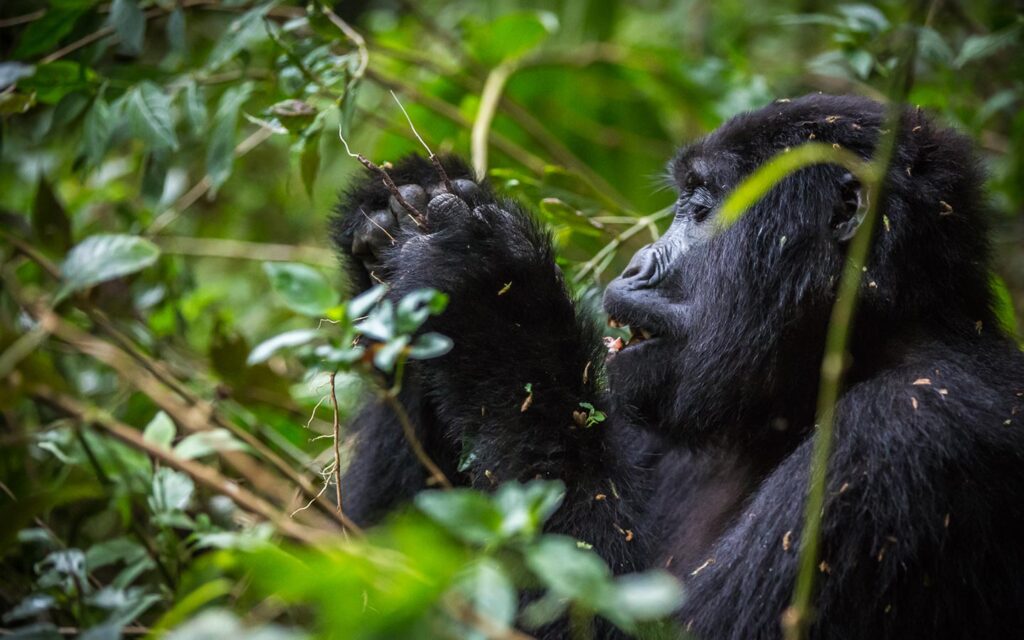
Dry seasons run from June to August and December to February. Trails stay dry then, so hikes are safer and less muddy. You spot gorillas easier without thick fog from rain.
Wet months, like March to May and September to November, bring heavy downpours. Paths turn slick, and bugs increase. Still, fewer crowds mean a quieter trek if you pack right.
Decoding Uganda Gorilla Trekking Package Tiers
Packages vary by budget and style. Match yours to what you want—simple thrills or full pamper.
Budget and Mid-Range Packages: Value-Focused Adventures
Budget options start around $1,500 for three days. They include basic lodges or tented camps near the parks, shared jeeps for transport, and full meals. Permits and a guide come standard, but extras like drinks or tips stay out.
Mid-range bumps up to $2,500, with better rooms in community lodges and private transfers. You get park fees and some activities bundled.
To cut costs safely, join groups tracking less popular families in Ruhija. They offer the same magic without high prices.
Luxury and Premium Gorilla Trekking Experiences
Premium packages hit $4,000 or more. Think private villas at Sanctuary Gorilla Forest Camp, with decks overlooking the canopy. Guides are top-notch, and transport uses luxury vehicles.
You enjoy spa treatments post-trek and gourmet meals with wine. Private porters carry your gear too.
Take Gorilla Nest Lodge in Bwindi—it’s famous for treehouse stays that feel like nesting with apes.
Specialized and Extended Gorilla Safari Packages
Some deals let you trek twice, using two permits in Bwindi sectors for different views. Prices start at $3,000 for five days.
Others mix in chimp tracking at Kibale Forest or lion spotting in Queen Elizabeth National Park. A full Uganda gorilla and wildlife package might run $5,000 for a week, covering all transport and stays.
These build a bigger story, from forests to plains.
The Crucial Components of a Gorilla Package
Every solid package covers key needs. Look for these to ensure smooth travel.
Accommodation and Meals During the Trek
Stays hug the park edges, like 10 minutes from trailheads in Buhoma. Options range from cozy bandas to upscale tents with en-suite baths.
Most plans offer full board—breakfast, lunch, and dinner—with fresh local foods. Reputable spots handle veggie diets or allergies well. Hygiene shines in vetted lodges, with clean water and daily fresh linens.
Transportation Logistics: Road Travel vs. Domestic Flights
Road trips from Entebbe take 8 to 10 hours over bumpy tracks. They’re cheaper at $200 per person but eat your day.
Domestic flights to airstrips like Kihihi cut time to 45 minutes for $250. Comfort beats the drive, especially with views from above.
Fly if you have just four days—saves energy for the trek.
Guiding, Porter Services, and Tipping Etiquette
UWA rangers lead every group, sharing gorilla facts and spotting dangers. Hire porters for $15 a day to lug your pack—they know shortcuts too.
Tip guides $20, trackers $10, and porters $5 to $10. It boosts local incomes and keeps communities strong.
Maximizing Your Gorilla Trekking Adventure (Pre- and Post-Trek Planning)
Plan ahead to turn your trip into gold. These steps make it memorable.
Physical Preparation for the Trek
Build stamina with hikes and squats weeks before. Focus on heart health and strong legs for those uphill pushes.
Treks last 2 to 7 hours, so test yourself on rough ground.
Pack waterproof jackets, hiking boots, and bug spray. Add gloves for thorns and a rain cover for your bag.
Understanding the Gorilla Tracking Day Timeline
Start at 7 a.m. with a briefing at park HQ. Drive 30 minutes to the trailhead, then hike until you find the group—could be quick or long.
Spend one hour watching them play and rest. Head back by 2 p.m., with lunch waiting at camp.
Ethical Tourism and Community Impact
Choose operators that hire locals and avoid single-use plastics. Your dollars build schools and clinics near parks.
Groups like Gorilla Doctors treat injured apes, funded by fees. Trekking lifts villages—over 5,000 jobs tied to it.
Conclusion: Booking Your Unforgettable Ugandan Gorilla Encounter
Uganda’s gorilla trekking shines with high success rates—over 90% find their group—and solid park setups. From budget basics to luxury escapes, packages fit every traveler.
Book now, as permits vanish fast. Pick your tier and lock in that wild call—your safari awaits.