
Cultural Tourism in Tanzania: A Journey into Living Traditions
Beyond its world-famous wildlife and breathtaking landscapes, Tanzania offers one of Africa’s richest cultural tourism experiences. Home to over 120 ethnic tribes, the country invites travelers to go beyond sightseeing and step into living traditions shaped by centuries of history, customs, and storytelling. Cultural tourism in Tanzania is not just an activity—it is a meaningful connection between visitors and local communities.
Discover Authentic Tribal Heritage
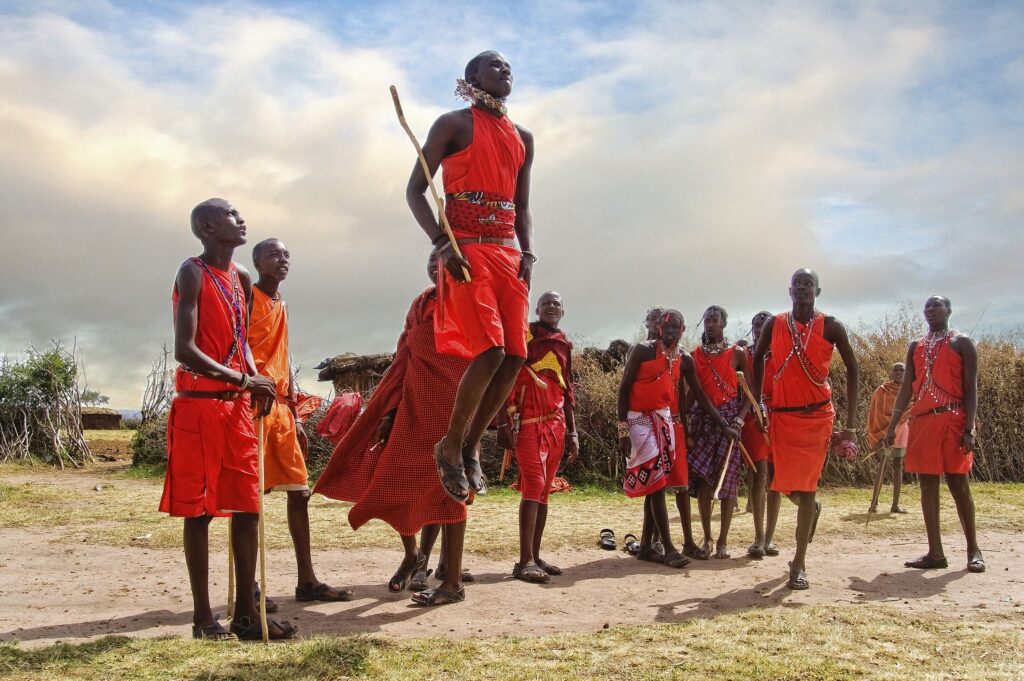
One of the most captivating aspects of cultural tourism in Tanzania is the opportunity to engage with indigenous communities. The iconic Maasai people, known for their vibrant attire and proud warrior traditions, welcome visitors to learn about their pastoral lifestyle, age-old customs, and ceremonial dances. Similarly, encounters with the Hadzabe tribe near Lake Eyasi offer rare insight into one of the last hunter-gatherer societies in Africa.
Experience Daily Life in Rural Villages
In addition to tribal encounters, cultural tours take visitors into rural villages, where daily life unfolds at a gentle, authentic pace. Travelers can participate in farming activities, traditional cooking, and craft making, gaining firsthand appreciation of Tanzanian hospitality. These experiences not only enrich the journey but also directly support community livelihoods.
Traditional Music, Dance, and Storytelling
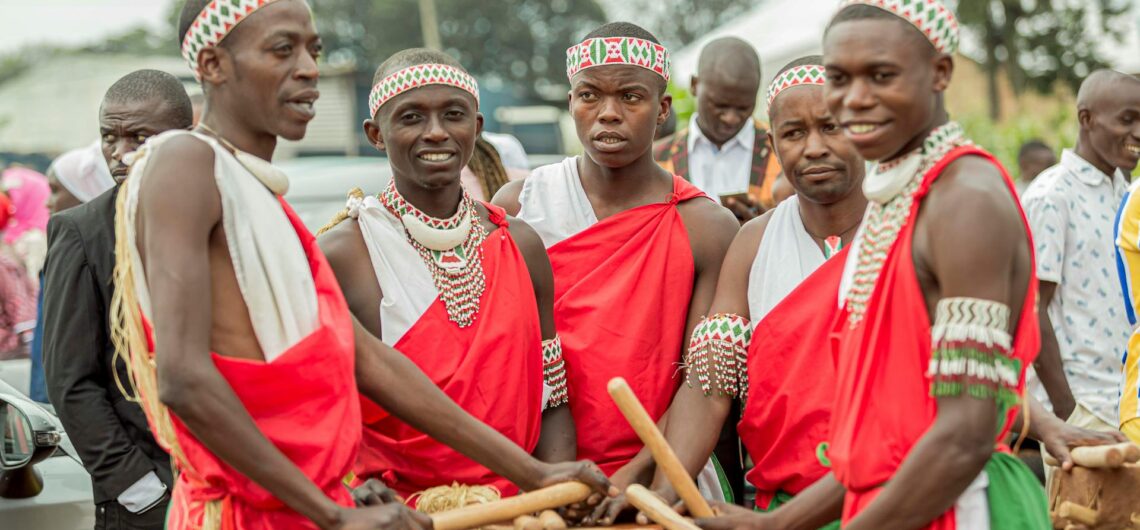
Moreover, cultural tourism in Tanzania is deeply rooted in music, dance, and oral traditions. From rhythmic drum performances to energetic tribal dances, each performance tells a story of history, celebration, or spiritual belief. Visitors are often invited to join in, creating unforgettable moments of shared joy and cultural exchange.
Historical Towns and Swahili Culture
Along the coast, cultural exploration continues through Swahili heritage, especially in Stone Town, Zanzibar, a UNESCO World Heritage Site. Here, Arabic, African, and European influences blend seamlessly in architecture, cuisine, and language. Walking through narrow alleys, visiting spice markets, and exploring ancient mosques offers a glimpse into centuries of trade and cultural exchange.
Responsible and Sustainable Travel
Importantly, cultural tourism in Tanzania promotes responsible and sustainable travel. Many community-based tourism initiatives ensure that visits benefit local people through education, conservation, and economic empowerment. As a result, travelers enjoy meaningful experiences while contributing positively to the preservation of Tanzania’s cultural heritage.
Why Choose Cultural Tourism in Tanzania?
- Authentic interactions with local communities
- Rich diversity of tribes and traditions
- Immersive village and homestay experiences
- Unique blend of inland and coastal cultures
- Opportunities to travel responsibly and sustainably
Conclusion
Cultural tourism in Tanzania offers travellers a chance to connect, learn, and belong. Whether sharing stories around a village fire, dancing with Maasai warriors, or exploring the Swahili heritage of Zanzibar, visitors leave with more than photos—they carry lasting memories and a deeper understanding of Tanzania’s soul. For those seeking travel experiences that are enriching, authentic, and meaningful, Tanzania’s cultural tourism is truly unforgettable.