
Imagine thunder rumbling across golden plains as a million wildebeest stampede toward a swirling river. This is the Great Migration, one of nature’s rawest shows. Each year, over 1.5 million wildebeest, plus zebras and gazelles, chase rain-fueled grass from Tanzania’s Serengeti to Kenya’s Maasai Mara. It’s a cycle of life and death that draws travelers from everywhere. This guide points you to the top sights and tips for your Kenya safari holiday. You’ll learn what to prioritize during a Great Migration safari in Kenya, centered on the Maasai Mara National Reserve. Get ready for moments that stick with you forever.
The Apex Event: Witnessing the River Crossings
The river crossings stand out as the heart of any Great Migration safari in Kenya. Herds plunge into the Mara River, dodging crocs in a desperate bid for fresh pastures. It’s chaos you can’t forget—dust, splashes, and roars filling the air. Miss this, and you’ve skipped the main event.
Timing the Chaos: Knowing When and Where to Be
Plan your trip for July through October. That’s when the herds hit the Maasai Mara in full force. Rain patterns shift things, so the exact dates vary year to year. In 2025, for example, early arrivals started in late June due to heavy rains. Check updates from safari operators close to your travel date.
Key spots line the Mara River’s bends. The most action happens at the northern crossings near the Tanzanian border. Look for the “Boma” or “Little Governor’s” sites—these have shallower waters that pull herds repeatedly. Deeper sections like those by the Mara Bridge offer fewer but more intense attempts. Guides know the hot zones; stick with them to chase the action.
To catch it right, book a mobile camp that moves with the herds. Early mornings beat the crowds. Arrive by sunrise, and you’ll have prime views before tour jeeps pile in.
The Thrill of the Predator’s Feast
Crocs lurk in the murky waters, turning crossings into a deadly game. A single lunge can snag a calf, while the herd pushes on. Over 250,000 animals perish here yearly, feeding the ecosystem. It’s brutal, but that’s wild Africa’s pull.
Position your vehicle upwind on a riverbank ridge. This keeps you hidden and dry from splashes. Stay quiet—no loud talks or engines revving. Your guide can radio other drivers for real-time herd locations. Patience pays off; a crossing might take hours to build.
Pack binoculars for safe distance views. Snap photos in bursts to catch the frenzy without missing a beat. These tips ensure you see the full drama up close.
Beyond the River: Essential Mara Land-Based Encounters
The migration isn’t all water action. Vast plains teem with life between crossings. Herds graze side by side, creating a moving buffet for predators. Step out from the riverbanks to spot these everyday wonders. They round out your Kenya safari holiday perfectly.
Tracking the Big Cats in Hunting Territory
The Maasai Mara boasts one of Africa’s highest big cat counts. Lions, leopards, and cheetahs thrive here thanks to the endless prey. Prides of up to 30 lions roam openly, often napping in acacia shade after a kill.
Head to the open plains around the Talek River for cheetah chases. These speed demons hit 60 mph in seconds, perfect for dawn hunts. Leopards hide in rocky kopjes—small hills dotting the landscape. They’re tougher to find, but worth the effort.
Hire a guide from a local outfit like Mara North Conservancy. They track prints and scents daily. Go on night drives if your camp allows; cats get bold after dark. This boosts your odds of seeing a leopard drag prey into a tree.
The Supporting Cast: Zebras, Giraffes, and Elephants
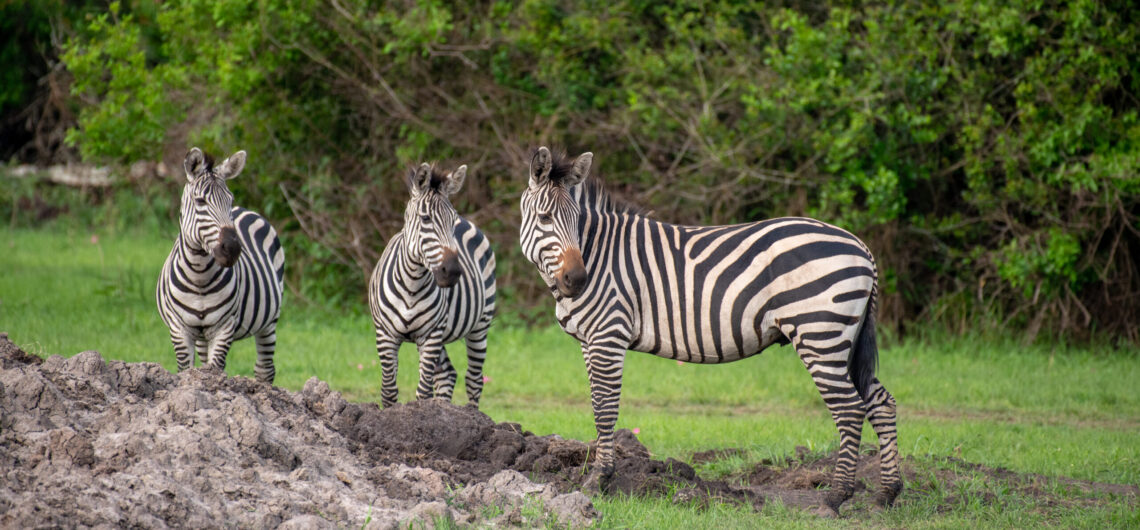
Wildebeest lead, but zebras follow like loyal shadows. They munch different grass, complementing the herd’s path. Watch them bray warnings as lions circle—it’s a team effort in survival.
Giraffes tower over the scene, browsing treetops near waterholes. During migration season, you’ll see family groups of 10 or more. Elephants join in, with matriarchs leading calves through dust trails. Resident herds mix with migrants, creating massive congregations.
Birds explode in numbers too. Over 450 species flock here, from lilac-breasted rollers to vultures circling kills. Bring a field guide app to ID them. These encounters show the Mara’s full web of life.
- Spot zebra-wildebeest pairs for mutual grooming sessions.
- Scan for elephant crossings at dusk—they’re calmer then.
- Listen for bird calls; they signal hidden cats nearby.
Immersive Cultural Connection: The Maasai Heritage
Wildlife steals the show, but the Maasai people add depth to your safari. They’ve guarded these lands for centuries. A visit to their world turns a trip into a story of human ties to nature.
Understanding the Land Through Local Eyes
Step into a Maasai manyatta, or village, just outside the reserve. These mud-and-thatch homes circle a cattle pen, the heart of their life. Tours here let you see daily routines, from milking goats to crafting beads.
Join an Adumu dance—warriors leap high in red shukas, chanting rhythms that echo the plains. It’s not a show; it’s tradition tied to herding and rain prayers. Learn how they read animal signs for weather forecasts. This builds respect for the land you explore.
Choose villages linked to conservancies for real benefits. Fees support schools and clinics. Ask questions, but let elders lead. A half-day visit fits easily after a morning game drive.
Responsible Tourism and Conservation Support
Private conservancies like Olare Motorogi border the Mara. Staying there funds patrols that stop poachers. These areas connect habitats, letting animals roam free. Your dollars help protect migration routes.
Follow ethics: Keep 25 meters from animals. No flash on cameras—it spooks them. Buy beaded jewelry directly from artisans; it skips middlemen.
- Support eco-lodges that employ Maasai rangers.
- Avoid feeding wildlife; it harms their instincts.
- Join a guided walk to learn bush survival from locals.
These steps make your Kenya safari holiday count for good.
Luxury and Logistics: Maximizing Your Safari Comfort
A great safari blends adventure with ease. Smart choices on stays and gear elevate the experience. Don’t let logistics trip you up amid the migration’s rush.
Choosing the Right Camp: Proximity vs. Exclusivity
Inside the Maasai Mara National Reserve, you’ll find action-packed drives. But vehicle limits mean crowds at crossings. Private conservancies offer peace—fewer cars and off-road access for unique angles.
Tented camps hug the riverbanks for wake-up crossing views. Think canvas luxury with hot showers and chef meals. Permanent lodges like Governor’s Camp add pools and spas, ideal for downtime.
Weigh your style: Proximity wins for hardcore viewers; exclusivity suits relaxers. Book conservancy spots for migration peaks—they cap guests at low numbers. In July, prime camps fill fast.
Pros of reserve stays:
- Easy access to main gates.
- Budget-friendly options.
Cons of conservancies:
- Higher costs, but worth the solitude.
Essential Gear and Photography Advice
Capture the stampede with a DSLR or mirrorless camera. A 300mm lens pulls in distant action without crowds. Add a teleconverter for extra zoom on croc strikes.
For video, use a gimbal to steady bumpy drives. Backup batteries—dust clogs ports quick.
Pack light for the Mara’s mix of sun and showers. Earth tones like khaki blend in. Layer with a fleece for cool mornings.
Checklist for your kit:
- Wide-brim hat and sunscreen—UV hits hard at altitude.
- Binoculars (8×42 power) for herd scans.
- Reusable water bottle; reserves ban plastics.
- Comfortable boots for short walks.
Practice settings beforehand: High ISO for low light, fast shutters for motion blur.
Conclusion: Securing Your Unforgettable Kenyan Memory
Your Great Migration safari in Kenya hinges on river crossings, big cat hunts, and Maasai insights. These elements create the full picture of the Mara’s magic. Preparation sets you apart—time it right, choose ethical stays, and gear up smart.
Don’t wait; the herds move on a tight schedule. Book now for next season’s July slots. Secure that spot, and you’ll carry home tales of thunder on the plains. Your Kenya safari holiday awaits—make it legendary.