
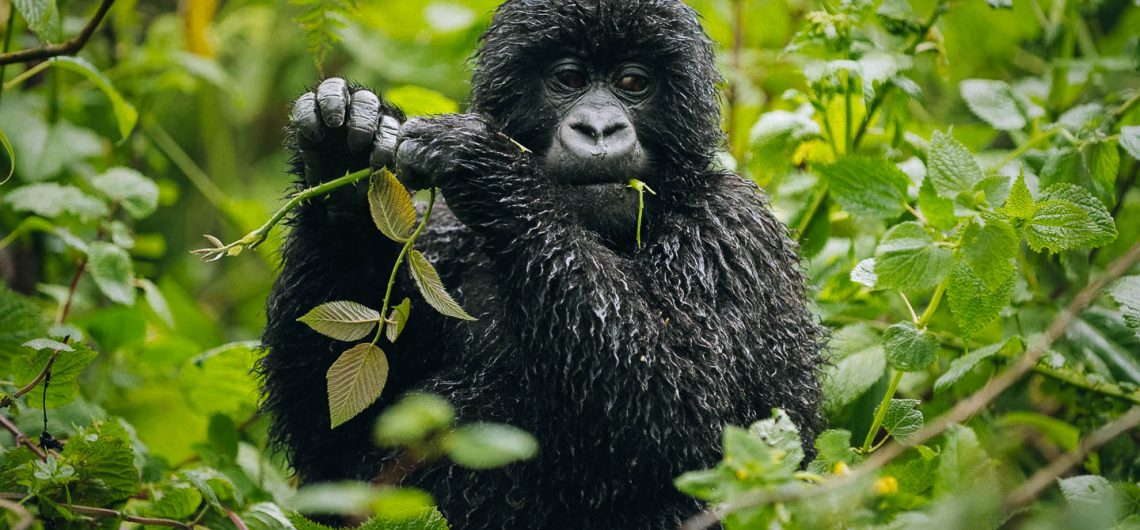
The air in the Bwindi Impenetrable Forest feels thick. You notice the mist clinging to the trees and the heavy, humid heat the moment you step off the path. It smells like damp earth, wet leaves, and raw life. You have likely watched documentaries about these creatures, but that experience cannot prepare you for the real thing. Meeting mountain gorillas in Uganda is not just a hike; it is a raw, physical, and emotional shift that changes how you see the wild.
Preparing for the Ascent: The Physical and Mental Trek
The day begins long before the sun hits the canopy. At park headquarters in places like Ruhija or Buhoma, the morning air is crisp. You drink coffee while rangers sort groups for the day ahead. This is where you meet your guide and trackers. They confirm your fitness level and assign you to a specific gorilla family.
Preparation is vital for this trek. You need to dress in layers because the climate changes from hot too cold in minutes. Waterproof gear is not optional here. You must protect your camera and your body from the dense, thorny vegetation. The briefing from the Uganda Wildlife Authority (UWA) staff focuses on safety, but it also builds real excitement for what lies ahead.
Tracking Through the Mist: The Trek Itself
The hike into the forest is rarely easy. You climb steep slopes that leave you breathless and push through thick vines that seem designed to hold you back. Local trackers move ahead, using machetes to clear a path through the tangled undergrowth. Every step builds anticipation. You scan the branches for movement, listening for the sounds of branches breaking or the deep grunts of the apes.
Patience is the most important tool you bring. You might hike for one hour or four before you find the family. The UWA guides hold a final briefing when you get close to the gorillas. They reiterate the rules to ensure the safety of both the visitors and the animals. When they finally stop and gesture for you to put down your bags, the air feels charged. You know they are just meters away.
The Moment of Truth: First Sight of the Silverback
Your first glimpse of a silverback is shocking. He is massive, far larger than any photo suggests. When you lock eyes, the first thing you notice is the intelligence behind his gaze. He is not aggressive. He is calm, powerful, and entirely in control of his space. The media often paints these animals as monsters, but the reality is much gentler.
You hear them before you see them clearly. There is a soft, rhythmic munching as they eat leaves. The smell is musky and earthy, distinct and wild. Seeing them sitting in the brush, just a few feet away, brings a sense of awe that is hard to put into words. It feels like disbelief. You are standing in their living room, and they are letting you watch.
Observing the Family Dynamic in Their Habitat
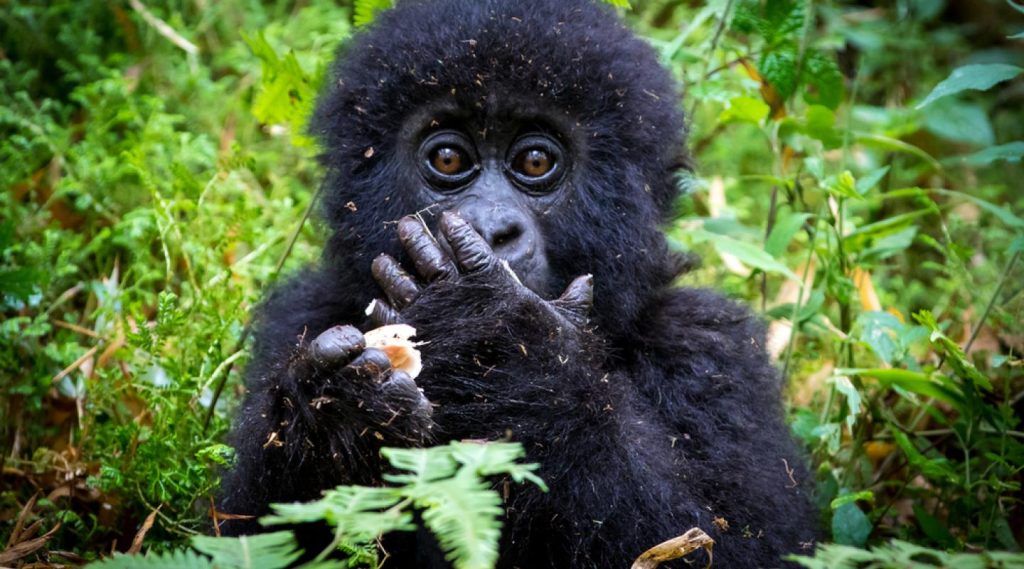
During your hour with the family, you watch their social lives unfold. You see mothers carefully cradling infants, checking for dirt or insects in their fur. You see juveniles wrestling and playing in the dirt. It feels incredibly human. The social structure is clear, centered around the silverback who watches over everyone with a heavy, protective stillness.
Conservation efforts in Uganda have changed the fate of these animals. Tourism revenue plays a massive role in this success. A significant portion of these funds goes directly back into protecting the parks and supporting the villages on the edge of the forest. This money funds anti-poaching patrols and keeps the habitats safe. By paying for the permit, you are directly paying for the survival of the species.
Understanding the Encounter: Respect, Observation, and Connection
The Unspoken Rules of Engagement
The guides enforce strict rules to keep the interaction safe and natural. You must maintain a distance of at least seven meters from the gorillas. You should avoid direct eye contact, as this can seem like a challenge to a silverback. You move slowly, speak in soft whispers, and keep your camera flashes off.
The guide acts as a bridge between two worlds. They interpret the body language of the gorillas to keep the group safe. If a gorilla moves toward you, the guide directs you to move back. They ensure that your presence does not stress the family. This mutual respect is the foundation of the experience.
The Psychological Shift: Seeing Ourselves in Them
There is a moment during the encounter when you realize the connection. You see a mother holding her baby, and her hand movements look just like a human mother. You see the way they pick through their food, choosing the best parts, and you see your own habits reflected back. This is not just a wildlife trip; it is an exercise in empathy.
Scientists who study primates confirm what you feel in those moments. Gorillas show deep emotional depth, problem-solving skills, and complex social bonds. Seeing this firsthand makes the abstract idea of conservation feel personal. You are not just looking at an animal; you are looking at a close relative living in a fragile world.
The Echoes of the Forest: Post-Encounter Reflection
The Quiet Hike Back
The hike back down the mountain feels different than the hike up. The adrenaline fades, replaced by a deep, quiet focus. You have just spent sixty minutes in the presence of something ancient and rare. The weight of the experience stays with you. The forest does not seem as daunting now; it feels like a sanctuary you were lucky enough to visit.
You walk back with a sense of duty. You have seen that these animals are not just statistics in a report. They are living, breathing individuals. This makes the need for conservation feel urgent. You walk out of the trees carrying a memory that you will likely keep for the rest of your life.
Gorilla Tourism: A Model for Sustainable Ecotourism
Uganda has created a model that works. By limiting the number of daily visitors, they minimize the impact on the gorillas. This high-value, low-volume approach ensures that the environment stays healthy. The money flows into local communities, which incentivizes the people living nearby to protect the forest instead of exploiting it.
This process has turned former poachers into trackers and protectors. It is a win for the local people and a win for the gorillas. When you choose to visit, you support a system that keeps the species alive. It proves that tourism, when managed with care, can be a tool for restoration rather than destruction.
Conclusion: Carrying the Image Home
Meeting mountain gorillas in Uganda is more than a bucket-list activity. It is a confrontation with nature that stays with you forever. You leave with a sense of humility and a clear understanding of why these animals deserve our protection. It is a rare chance to see a species that stands on the edge of survival and is finding a way back.
This encounter is an unparalleled wildlife experience that changes your view of the world. It is not just about the photo you bring home. It is about the contribution you make to a success story. If you want to see the wild in its purest form, there is no better place to be. You go to watch, but you leave with a commitment to help.