
When looking to immerse themselves in the country’s vibrant cultural landscape. Kenya is renowned not only for its abundant wildlife and breathtaking landscapes but also for its diverse ethnic communities, each preserving unique traditions, languages, and rituals. From Kenya Wildlife Safaris to Kenya Birding Safaris and Kenya Cultural Safaris, cultural encounters are an integral part of the safari experience. Engaging with local tribes adds depth to wildlife exploration, offering travelers insights into centuries-old practices, music, dance, craftsmanship, and day-to-day life in East Africa.
Exploring Kenya’s Rich Cultural Heritage
Amakula African Safaris specializes in creating immersive cultural experiences that are seamlessly integrated with wildlife adventures, providing an authentic and memorable safari journey. Visitors can combine Kenya Best Safaris with cultural interactions, exploring highland communities near Mount Kenya, pastoral Maasai settlements in the Great Rift Valley, or fishing villages along Lake Victoria. Moreover, these experiences can be paired with Uganda Gorilla Trekking or Tanzania Wildlife Safaris, offering a comprehensive East African adventure that blends wildlife, culture, and natural beauty. Answering the question, which tribes can I visit in Kenya? Requires detailed planning, knowledgeable guides, and respect for local customs, all of which are central to the Amakula African Safaris approach.
The Maasai – Guardians of the Savannah
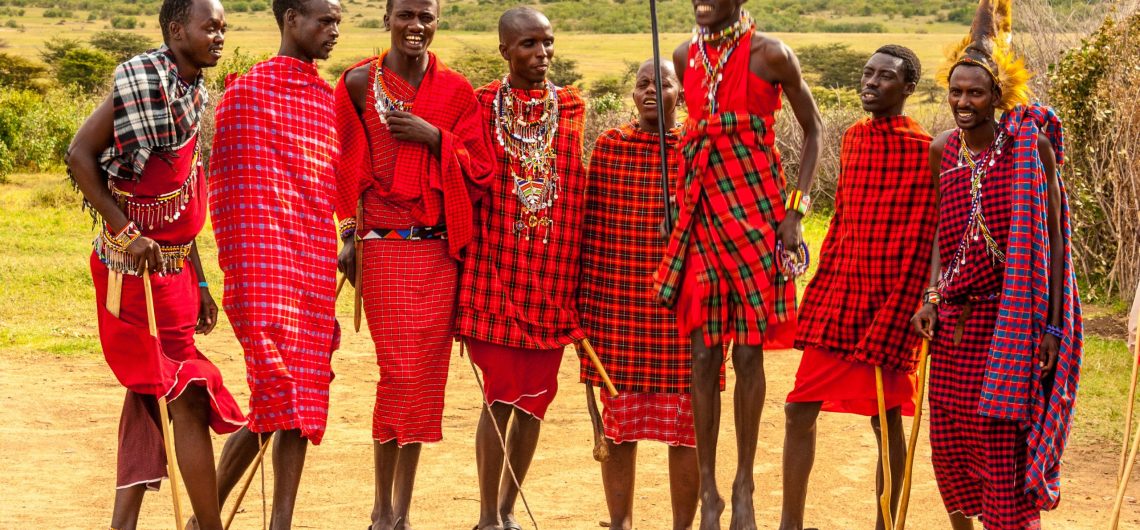
The Maasai people are among the most iconic and recognizable communities. Residing predominantly in the southern Rift Valley and areas surrounding Amboseli and Maasai Mara National Park, the Maasai are pastoralists renowned for their striking red shukas, elaborate beadwork, and warrior traditions. Visitors on Kenya Safaris often witness traditional dances, ceremonies, and age-set rituals that have been passed down through generations.
During Kenya Cultural Safaris, Amakula African Safaris facilitates immersive Maasai experiences, including visits to homesteads (enkangs), interactions with elders, and opportunities to learn traditional herding and crafting skills. These cultural encounters are carefully managed to ensure respectful engagement, offering travelers authentic insight into Maasai life. Combining Maasai visits with Kenya Wildlife Safaris in Maasai Mara provides the perfect balance of wildlife observation and cultural exploration, as guests can watch lions, elephants, and wildebeest while also experiencing the daily lives of the Maasai. By answering, which tribes can I visit in Kenya? Through curated Maasai encounters, Amakula African Safaris ensures an educational and enriching experience that enhances every safari journey.
The Samburu – Highland Pastoralists of Northern Kenya
Kenya, when venturing to northern regions such as Samburu County. The Samburu are semi-nomadic pastoralists closely related to the Maasai, but distinguished by their unique clothing, jewelry, and cultural practices. Elevated landscapes and arid savannahs surrounding Samburu National Reserve provide not only a spectacular backdrop for Kenya Wildlife Safaris but also opportunities for Kenya Birding Safaris, where endemic species thrive.
Amakula African Safaris arranges culturally immersive visits to Samburu villages, allowing travelers to witness traditional dances, cattle herding techniques, and handcrafted beadwork that symbolizes social status and family heritage. Visitors learn about age-set systems, marriage customs, and the Samburu’s intricate relationship with their natural environment. By integrating Samburu experiences with Kenya Best Safaris, Amakula African Safaris provides a well-rounded adventure that combines wildlife, highland scenery, and deep cultural engagement. Addressing the question, which tribes can I visit in Kenya, through Samburu interactions, ensures travelers experience northern Kenya’s cultural richness while enjoying safe, guided, and unforgettable safari moments.
The Turkana – Desert Communities and Lake Turkana Culture
, when planning trips to the northernmost regions along Lake Turkana. The Turkana are one of Kenya’s most resilient desert communities, known for their pastoral lifestyle, intricate jewelry, and vibrant rituals. Visiting Turkana villages offers insight into survival in arid landscapes, fishing practices along Lake Turkana, and ceremonial traditions that mark life events.
Kenya Cultural Safaris organized by Amakula African Safaris include guided visits to Turkana homesteads, opportunities to observe fishing techniques, and interactions with local elders. Combining Turkana experiences with Kenya Wildlife Safaris in nearby reserves or birding excursions along the lake allows travelers to experience a rare blend of cultural, wildlife, and ecological richness. Tourists can ask, which tribes I can visit in Kenya, and gain authentic experiences of desert life while participating in conservation-focused activities that benefit local communities. Amakula African Safaris ensures all interactions are culturally sensitive and ethically managed, strengthening the trustworthiness and expertise of its safari offerings.
The Kikuyu – Highland Farmers of Central Kenya
When exploring Central Kenya’s fertile highlands. The Kikuyu, Kenya’s largest ethnic group, are renowned for their agricultural expertise, traditional rituals, and community-based governance. Regions surrounding Mount Kenya, Aberdare Ranges, and the Kenyan highlands offer the perfect setting for Kenya Cultural Safaris that combine scenic trekking, wildlife observation, and cultural immersion.
Amakula African Safaris facilitates visits to Kikuyu homesteads where travelers learn about traditional farming techniques, herbal medicine, and cultural ceremonies. Guests may participate in coffee and tea harvesting on Mount Kenya slopes, offering a hands-on understanding of local livelihoods. Pairing Kikuyu interactions with Kenya Best Safaris or Kenya Wildlife Safaris ensures travelers enjoy both cultural and wildlife experiences, making their journey multifaceted and deeply rewarding. Addressing the question, which tribes can I visit in Kenya, through Kikuyu engagements, highlights Amakula African Safaris commitment to providing enriching, educational, and ethically guided cultural experiences.
The Luhya – Western Kenya Cultural Treasures
The Luhya people of western Kenya present vibrant cultural opportunities. Known for elaborate initiation ceremonies, music, and traditional dances, the Luhya inhabit areas near Kakamega Forest, which also serves as a prime destination for Kenya Birding Safaris. The region combines dense rainforest ecosystems with traditional settlements, providing travelers a unique cultural-wildlife interface.
Amakula African Safaris organizes guided visits to Luhya villages, where tourists can learn about clan structures, farming practices, and local cuisine. Combining Luhya experiences with Kenya Wildlife Safaris in nearby reserves or birdwatching adventures offers a holistic exploration of western Kenya’s natural and cultural richness. Tourists frequently ask, which tribes can I visit in Kenya, and engaging with the Luhya ensures immersive cultural encounters while maintaining the high safety and professional standards that Amakula African Safaris provides.
Cultural Activities and Experiences
Traditional dances, music performances, bead-making workshops, and participation in local festivals offer unforgettable experiences. Amakula African Safaris ensures that every cultural encounter is respectful and authentic, connecting tourists directly with the communities they visit. For example, Maasai warrior dance performances, Kikuyu farming demonstrations, or Luhya initiation ceremonies provide both entertainment and insight, enhancing Kenya Cultural Safaris.
These experiences can also be combined with Kenya Birding Safaris, Kenya Wildlife Safaris, and even Uganda Gorilla Trekking, offering a multidimensional East African journey. By integrating cultural immersion into safari itineraries, Amakula African Safaris positions itself as a reliable authority in East African tourism, addressing the question, Which tribes can I visit in Kenya?, with expertise, authenticity, and trustworthiness.
How to Reach Tribal Destinations in Kenya
Amakula African Safaris coordinates safe and efficient transfers to cultural destinations across Kenya. Nairobi serves as the main hub, with road transfers to Maasai Mara, Amboseli, Samburu, Mount Kenya, and western Kenya regions. Flights and local transfers are arranged for distant areas like Turkana or Kakamega Forest, ensuring comfort and efficiency.
Guided transportation, expert planning, and strategic itineraries allow visitors to combine Kenya Best Safaris, Kenya Wildlife Safaris, and Kenya Cultural Safaris with minimal stress. Amakula African Safaris emphasizes safety, acclimatization, and local engagement, ensuring travelers’ answer, which tribes I can visit in Kenya, with confidence and clarity while experiencing a seamless, professionally managed safari adventure.
What to Expect During Tribal Visits
Travelers can expect immersive experiences, including homestead tours, traditional meals, storytelling, local handicraft demonstrations, and ceremonial participation. Each tribe offers unique insights: Maasai warrior dances, Samburu beadwork, Kikuyu agricultural practices, Luhya music and drumming, or Turkana desert resilience.
Amakula African Safaris ensures every visit is carefully guided, educational, and ethically conducted. Combining these cultural encounters with Kenya Wildlife Safaris, Kenya Birding Safaris, or optional Uganda Gorilla Trekking expeditions provides a multifaceted adventure that balances wildlife, nature, and culture. Addressing the question, which tribes can I visit in Kenya, through well-organized and professional interactions, guarantees a safe, enriching, and unforgettable safari journey.
Best Time for Cultural Safaris
The dry seasons—January to March and June to October—are ideal for both cultural and wildlife experiences. These periods provide stable travel conditions, clear skies, and comfortable temperatures, enhancing visits to Maasai, Samburu, Kikuyu, Luhya, and Turkana communities.
Amakula African Safaris schedules cultural excursions during these months to optimize visibility, community engagement, and wildlife viewing. Combining high-quality cultural visits with Kenya Wildlife Safaris or Kenya Birding Safaris ensures travelers enjoy a complete East African adventure while minimizing weather-related risks. Travelers can confidently explore, which tribes I can visit in Kenya, knowing their itinerary is thoughtfully crafted for maximum enrichment and safety.
Why Choose Amakula African Safaris for Cultural Safaris
Amakula African Safaris expertise, experience, and professionalism. Our guides are knowledgeable in local traditions, cultural etiquette, and wildlife observation, ensuring that travelers experience authentic, respectful, and memorable encounters. Amakula African Safaris integrates cultural immersion with Kenya Best Safaris, Kenya Wildlife Safaris, and optional Uganda Gorilla Trekking, offering safe, seamless, and multi-dimensional safari experiences.
Professional planning, ethical interactions, and cultural sensitivity make Amakula African Safaris a trusted authority in East African tourism. Travelers gain a comprehensive understanding of Kenya’s tribal diversity, traditional practices, and natural heritage, while enjoying expertly managed safari adventures. By addressing the question, which tribes can I visit in Kenya, Amakula African Safaris establishes itself as a reliable and knowledgeable source for global travelers seeking immersive, high-quality cultural safaris.