
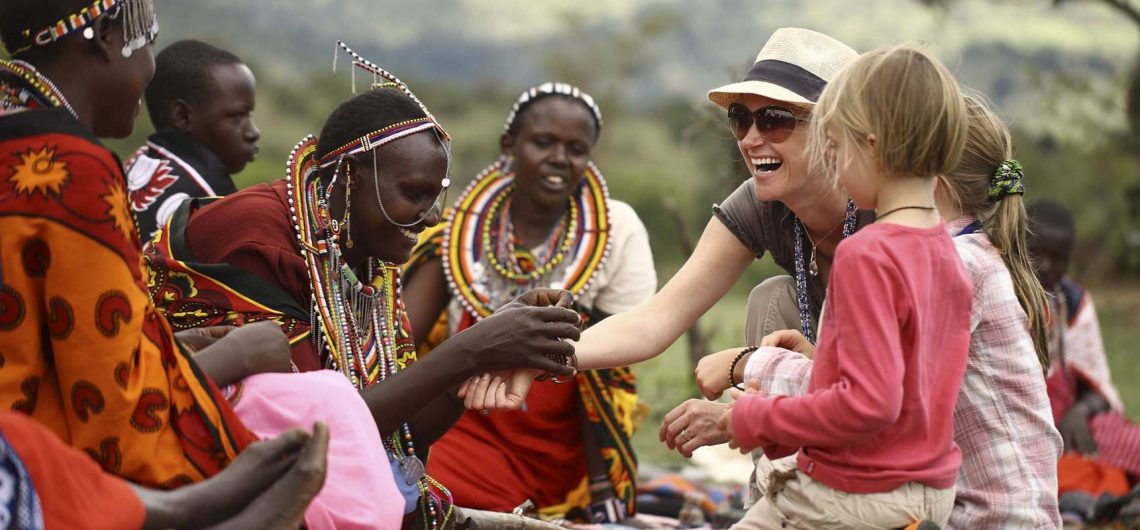
Cultural encounters are an important part of many Kenya Safaris and Tanzania Safaris, giving travelers opportunities to meet local communities, learn about traditional lifestyles, and gain a deeper understanding of East African cultures. But one common question is: Do I need to bring gifts to community visits?
The short answer is no—gifts are not mandatory. However, thoughtful and appropriate contributions can be a meaningful way to support communities when they are offered respectfully and through responsible tourism programs.
At Amakula African Safaris, cultural visits are designed around respectful interaction, cultural awareness, and community benefit. Whether you are visiting Maasai communities in the Maasai Mara or participating in Tanzania Cultural Safaris, your attitude and willingness to learn are more important than bringing a physical gift.
Do You Need to Bring Gifts on a Tanzania Kenya Safari?
Travelers do not need to bring gifts when visiting communities in Kenya or Tanzania. In many cases, the best approach is to arrive with an open mind, respect local customs, and allow your guide to explain appropriate etiquette.
If you would like to contribute, consider practical items that have been requested or coordinated through a local community, school, or development initiative. Appropriate options may include:
- Notebooks and pencils
- Educational materials
- Basic school supplies
- Reusable household items
- Clothing when specifically requested
- Basic health or hygiene supplies through an organized program
Avoid giving money directly to individuals, particularly children, unless your guide or community program recommends it. Direct cash gifts can create uncomfortable expectations or encourage dependency.
A better option is often to support the local economy by purchasing handcrafted jewelry, beadwork, baskets, textiles, or other locally made products directly from artisans.
Gifts and Maasai Mara Cultural Encounters
The Maasai Mara is well known for its wildlife, including Kenya Best Safaris and Kenya Great Migration experiences, but it is also home to vibrant Maasai communities.
A Maasai Mara Cultural visit may include a guided walk through a homestead, traditional dancing, storytelling, demonstrations of beadwork, and conversations about pastoralist lifestyles.
When visiting the Maasai People, travelers should focus on respectful cultural exchange rather than treating the visit simply as a tourist attraction. Ask questions when invited, listen to your hosts, follow your guide’s instructions, and always ask before taking photographs.
If you want to bring something, coordinate with your safari company beforehand. Small educational materials can be useful for organized school or youth programs, while purchasing locally made crafts provides direct economic support to artisans.
The goal is not to arrive with expensive presents. Meaningful engagement, respect, and responsible spending can be more valuable than unsolicited gifts.
Gifts and Cultural Visits in Tanzania
Tanzania Cultural Safaris provide opportunities to meet communities including Maasai, Hadzabe, and Datoga groups. Cultural visits may be combined with Tanzania Wildlife Safaris, allowing travelers to experience traditional lifestyles alongside destinations such as the Ngorongoro Conservation Area, Tarangire, and the Serengeti.
As in Kenya, gifts are optional. If you would like to contribute, speak with your guide before the visit. They can explain what the community actually needs and how donations can be distributed appropriately.
Useful contributions may include school supplies or other items requested by a community organization. Travelers should avoid assuming that a community needs a particular item simply because it seems useful from a visitor’s perspective.
This approach helps ensure that responsible tourism in Tanzania supports local priorities rather than creating unnecessary or inappropriate donations.
Should You Give Gifts to Children During a Safari?
One of the most important principles of responsible tourism is to avoid handing sweets, money, or personal gifts directly to children during village visits.
Although giving something to a child may feel generous, it can unintentionally encourage children to approach tourists for handouts. It can also create differences between children who receive gifts and those who do not.
If you would like to support children, ask your safari operator about established community initiatives, schools, or education programs where contributions can be coordinated responsibly.
This allows your generosity to benefit a broader group rather than a single individual.
What Is Appropriate to Bring to a Community Visit?
If your safari operator confirms that gifts are welcome, choose something small, practical, and relevant to local needs.
Good options may include:
- Pencils, notebooks, and other school supplies
- Educational materials requested by a school
- Basic reusable items
- Clothing when specifically requested
- Contributions to organized community projects
Items to approach with caution:
- Large quantities of sweets or candy
- Money given directly to children
- Unrequested medicines
- Used personal belongings
- Items that could conflict with local customs
- Expensive gifts that may create expectations
The most responsible approach is to ask before you pack. Your guide or safari company can often tell you whether a community has specific needs.
Supporting Communities Without Bringing Gifts
You can support local communities without bringing anything from home.
Purchasing locally made crafts is one option. Buying authentic Maasai beadwork, jewelry, textiles, baskets, or other handmade products can provide income directly to artisans when purchased through fair and reputable channels.
You can also ask your safari operator about community tourism projects, conservation initiatives, education programs, or other locally managed projects.
This approach turns a cultural encounter into a broader opportunity to support sustainable tourism.
Combining Cultural Visits With Kenya Wildlife Safaris
Cultural experiences can easily be incorporated into Kenya Wildlife Safaris. For example, travelers may enjoy a morning game drive in the Maasai Mara before visiting a community in the afternoon.
This combination allows visitors to experience both Kenya’s remarkable wildlife and the cultures of communities living in the region.
Kenya Birding Safaris can also include cultural experiences in areas where bird-rich ecosystems overlap with local communities. Rather than treating cultural visits as an isolated activity, travelers can build an itinerary that combines wildlife, birding, conservation, and community tourism.
Experienced guides play an important role by explaining local customs, facilitating introductions, and helping visitors understand appropriate behavior.
What to Expect During a Cultural Visit
A community visit can include a variety of activities depending on the destination and community program.
Travelers may experience:
- Guided village or homestead walks
- Traditional songs and dances
- Storytelling
- Beadwork demonstrations
- Basket weaving or pottery
- Discussions about pastoralist lifestyles
- Livestock and farming demonstrations
- Opportunities to purchase locally produced crafts
Photography is another area where cultural sensitivity matters. Always ask permission before photographing people, homes, ceremonies, or children.
Remember that these are people’s homes and communities, not simply attractions. A respectful visitor observes, listens, and follows local guidance.
Best Time for Cultural Safari Visits
The best time for combining cultural experiences with wildlife activities depends on your overall itinerary and destination.
For many Kenya Safaris and Tanzania Safaris, June through October is a popular period because of generally drier conditions and excellent wildlife-viewing opportunities. This period can also work well for combining cultural visits with Kenya Wildlife Safaris, Tanzania Wildlife Safaris, and, depending on the itinerary, Kenya Great Migration experiences.
However, cultural visits are possible throughout much of the year. Rather than choosing travel dates solely around weather, consider the communities and activities you want to experience and ask your safari operator about seasonal conditions.
How to Reach Cultural Safari Destinations
For Maasai Mara Cultural experiences, travelers can generally reach the region by road from Nairobi or by scheduled or chartered flights to airstrips serving the Maasai Mara.
In Tanzania, travelers commonly use Kilimanjaro International Airport or Arusha Airport before continuing by road or domestic flight, depending on the itinerary. Cultural visits can be incorporated into journeys involving the Ngorongoro Conservation Area, Tarangire, or Serengeti.
With careful planning, a wider East African itinerary can also combine Uganda Gorilla Trekking with Kenya and Tanzania safari experiences.
Your safari operator can coordinate transportation and timing so cultural activities fit naturally around wildlife drives and other excursions.
How to Practice Responsible Cultural Tourism
The most important thing to bring to a community visit is respect.
Keep these principles in mind:
- Ask before giving gifts. Find out what the community actually needs.
- Avoid giving money directly to children. Use organized community initiatives instead.
- Ask before taking photographs. Respect people’s privacy and traditions.
- Dress appropriately. Follow local guidance, particularly when visiting homes or participating in ceremonies.
- Listen and learn. Cultural visits should be opportunities for genuine exchange.
- Buy locally made products. Supporting artisans can provide direct economic benefits.
- Follow your guide’s advice. Local guides understand cultural expectations and community protocols.
- Avoid making assumptions. Different communities have different customs, priorities, and needs.
Responsible tourism is ultimately about creating positive relationships rather than simply giving things away.
Why Choose Amakula African Safaris?
Amakula African Safaris can help travelers combine cultural experiences with Kenya Safaris, Kenya Wildlife Safaris, Kenya Birding Safaris, Kenya Cultural Safaris, Tanzania Safaris, Tanzania Wildlife Safaris, Tanzania Great Migration tours, and Uganda Gorilla Trekking.
Professional guides can provide cultural briefings, explain appropriate etiquette, coordinate community visits, and advise travelers about responsible ways to contribute.
Whether you want to visit a Maasai community in Kenya, meet communities during a Tanzania Cultural Safari, or create a multi-country East African itinerary, careful planning can make the experience both enjoyable and respectful.