
Uganda Birding Safari with Amakula African Safaris: Plan a Species-Focused Trip
Uganda Birding Safari With Amakula African Safaris. Plan a Specie focused Trip. A Uganda birding safari can begin with a forest call at dawn and end beside a papyrus wetland watching a shoebill. In between, you may cross rainforest, open savannah, lakeshore, and highland habitats that each attract different bird communities.
Uganda Bird Guides Club lists about 1,061 recorded bird species, giving birders a strong reason to explore more than one region. Amakula African Safaris can help match your target list, travel dates, budget, walking ability, and wildlife interests with a practical route. Confirm current park fees, permits, trails, accommodation, and guide expertise before booking.
Discover Uganda’s Most Productive Birding Habitats
Uganda’s birding appeal comes from habitat variety. A forest trail may produce Albertine Rift specialties, while a wetland excursion brings waterbirds, papyrus species, and migrants. Savannah parks add raptors, grassland birds, woodland species, and large mammals.
Track Forest Birds in Bwindi and Kibale.
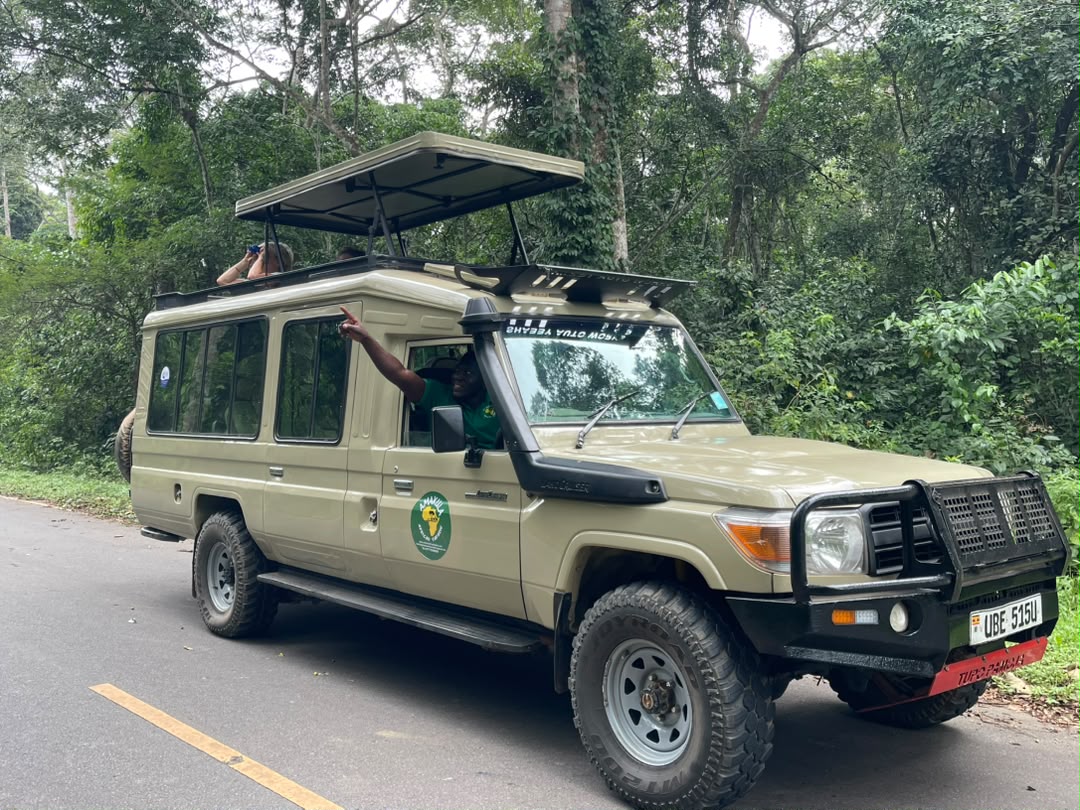
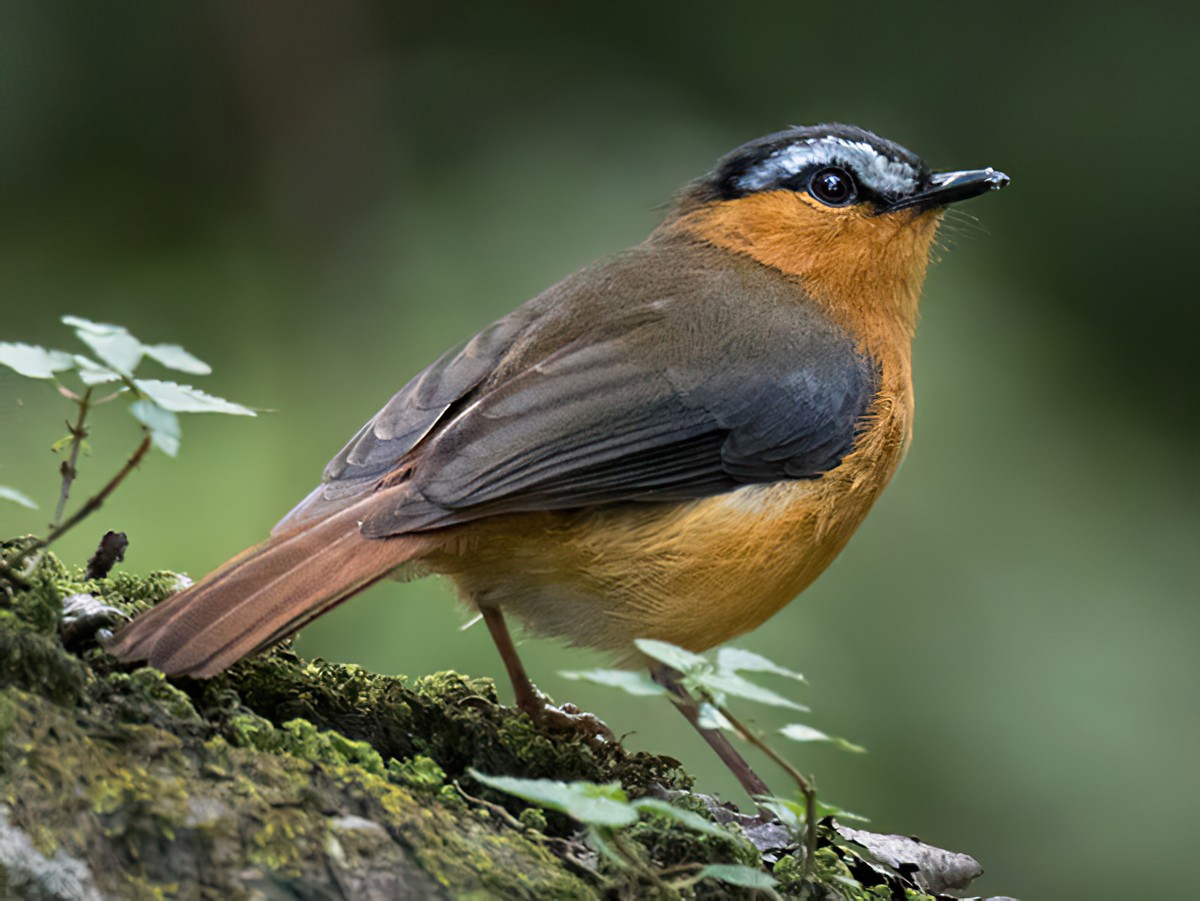
Bwindi Impenetrable Forest is a major stop for rainforest and Albertine Rift birding. Uganda Wildlife Authority lists more than 350 bird species in the park, including the African green broadbill and Shelley’s crimsonwing. Kibale National Park also supports about 370 species, with Nahan’s francolin, Cassin’s spinetail, blue-headed bee-eater, and lowland masked apalis among its specialty birds.
Forest birding needs patience. Walk slowly, keep voices low, and scan both the canopy and dense understory. Sturdy shoes help on steep or muddy trails, while an experienced bird guide can identify calls before a bird comes into view. Ask Amakula African Safaris which trails, permits, park rules, and guide arrangements are available for your dates.
Explore Wetlands, Lakeshores, and Papyrus Habitats
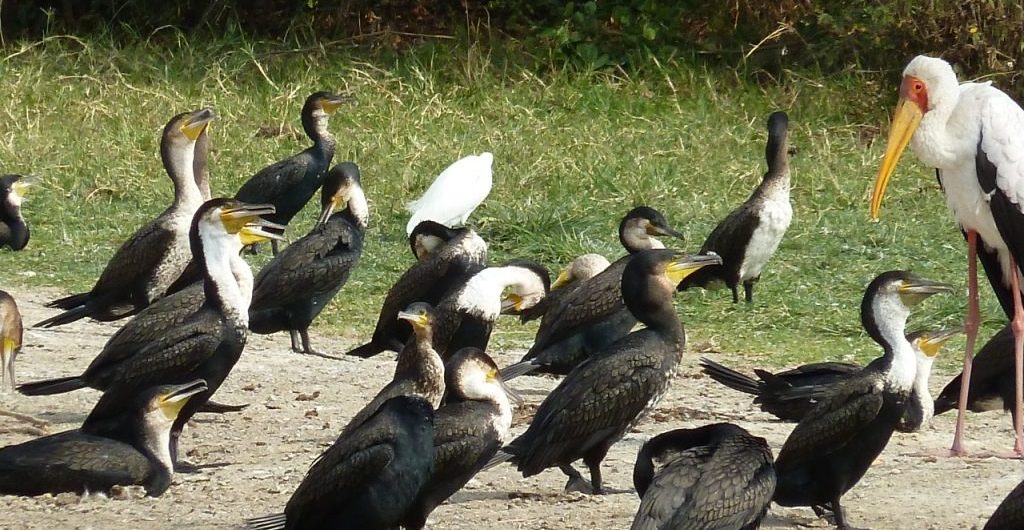
Wetlands around Lake Victoria, Mabamba Swamp, Lake Mburo, and other confirmed stops can add species that forest walks rarely produce. Canoe trips may reveal herons, kingfishers, weavers, swamp specialists, and raptors, while shoreline walks can be best during the first hours of daylight. Water levels, weather, and boat access affect what you see.
Carry sun protection, a waterproof camera cover, and binocular straps that stay secure during boat movement. Keep your distance from nests and roosts, and avoid loud voices near feeding areas. The African Shoebill can be a realistic target at suitable wetlands, but sightings aren’t guaranteed. Ask about current reports, local tracking methods, boat fees, and conservation rules.
Combine Savannah Birding With Big-Game Viewing
Queen Elizabeth National Park and Murchison Falls National Park add open-country birding to a Uganda safari. Drives can produce vultures, eagles, hornbills, rollers, storks, grassland birds, and waterbirds, along with elephants, antelope, lions, or hippos.
A skilled guide can balance birding stops with wildlife viewing. The vehicle may pause for a distant raptor or a mixed flock, then continue when game activity becomes more productive. No guide can promise a particular sighting, since birds respond to weather, food, season, and movement.
Build a Uganda Birding Safari Around Target Species
Species planning should shape the route before hotels are chosen. Share your list with Amakula African Safaris early, especially if you want rare forest birds, wetland specialties, or a photography-led schedule.
Search for Albertine Rift Endemics and Specialty Birds
The Albertine Rift holds many range-restricted birds found in a small part of central Africa. Bwindi and nearby Mgahinga can suit travelers seeking highland forest species, but the best sector depends on the target list and current access.
A specialist birder may need several forest days, early starts, and long walks. A first-time birder may prefer a broader mix of habitats and shorter trails. Ask Amakula to assess the number of forest nights, walking intensity, transfer times, and local guide experience against your priorities.
Prioritize Wetland, Waterbird, and Papyrus Species
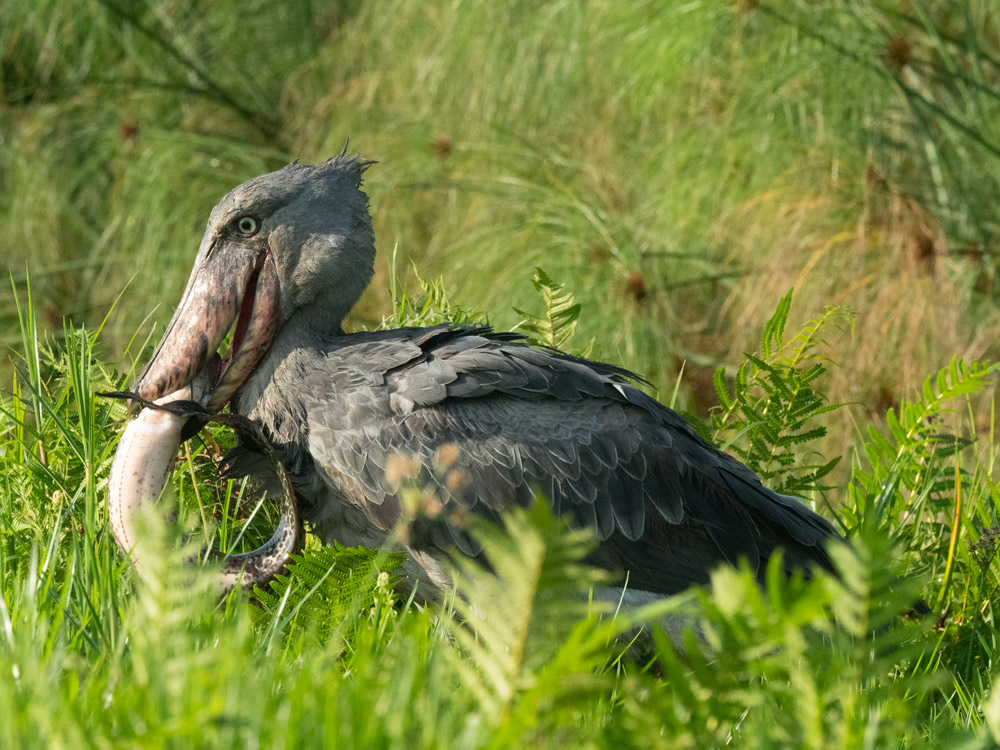
Wetlands deserve planned time rather than a quick roadside stop. A dawn canoe trip may offer better light and bird activity, while changing water levels can shift feeding areas and boat routes. Seasonal rain also changes vegetation cover and access.
If the shoebill is high on your list, ask about recent sighting conditions and local trackers. Confirm whether boat access, entrance fees, and conservation restrictions apply. Treat the bird as a priority target, not a guarantee.
Create a Flexible Species Checklist
Divide your list into three groups: priority species, habitat specialties, and common safari birds. Record the date, location, habitat, and guide-confirmed identification after each outing. This creates a useful record without turning every stop into a race for numbers.
Bring a regional field guide, offline maps, a reputable birding app such as eBird, spare batteries, and a notebook. Digital records help with planning and later review, but local knowledge remains vital when calls are faint or views are brief.
Choose the Right Season and Safari Pace
Uganda’s seasons affect road conditions, trail comfort, vegetation, photography, and bird behavior. The best travel period depends on whether you value easier travel, breeding activity, migrant species, lower visitor numbers, or a greener setting.
Compare Dry-Season and Wet-Season Birding
Many routes use June to August or December to February as relatively drier travel windows. Roads and trails may be easier, but dust and visitor numbers can rise in some areas. Rainier periods often bring lush vegetation, active bird behavior, and strong photographic color, although muddy roads can slow transfers.
Palearctic migrants are more likely during the northern winter, but local conditions still matter. Ask Amakula which dates fit your target species and planned parks instead of treating one season as best for every birder.
Allow Enough Time for Forest and Wetland Excursions
Serious birding needs a slower pace than a standard wildlife itinerary. A forest trail may require repeat visits before a shy bird gives a clear view, while a wetland can reward an hour of still observation. Long transfers can also remove the best morning birding hours.
Ask how many hours each day will be devoted to birds and how much time will be spent on the road. Optional activities may need to be reduced if your priority is a strong species list or better photographs.
Plan for Early Starts and Changing Conditions
Dawn departures are common, so check local sunrise times at Kibale before setting your daily schedule. Forests can feel cool and damp, while open parks become hot soon after sunrise. Trails may turn muddy after rain, and long drives can bring sudden weather changes.
Pack layered clothing, breathable rain gear, insect protection, sturdy walking shoes, snacks, drinking water, waterproof bags, and a backup charging option. Keep important gear protected even when the forecast looks dry.
Make Amakula African Safaris Part of a Personalized Birding Plan
A local safari operator can help connect habitat choice, road logistics, permits, and daily timing. Amakula African Safaris should be asked to build the plan around your actual birding goals rather than adding birding stops to a general tour.
Match the Itinerary to Birding Experience and Fitness
Beginners may prefer short walks, varied habitats, and time for wildlife viewing. Specialist birders may want longer forest days, repeat visits, and fewer non-birding activities. Families and photographers may need flexible schedules, easier trails, and more time at each stop.
Discuss forest hike difficulty, boat trips, vehicle access, guide-to-guest ratios, and alternative activities for companions who don’t bird. Also ask whether the schedule allows quiet listening and unplanned stops.
Confirm Guides, Vehicles, Lodges, and Inclusions
Request a written itinerary that separates included costs from optional charges. Confirm the guide’s birding background, vehicle comfort, window or roof design, lodge location, meals, drinking water, park fees, permits, boat fees, and airport transfers.
Check whether accommodation is close to the habitat or requires a long daily drive. Ask where delays or route changes may occur, especially during wet weather. These details can make a major difference to time in the field.
Combine Birding With Culture and Wildlife
Birding can fit well with gorilla or chimpanzee activities, game drives, community visits, and cultural experiences. Schedule these additions around your priority habitats so they don’t remove the best forest or wetland hours.
Choose respectful community visits, follow photography rules, and obey park instructions around people and wildlife. Responsible tourism should support local guides and communities without treating cultural experiences as staged entertainment.
Prepare Responsibly for a Uganda Birding Safari
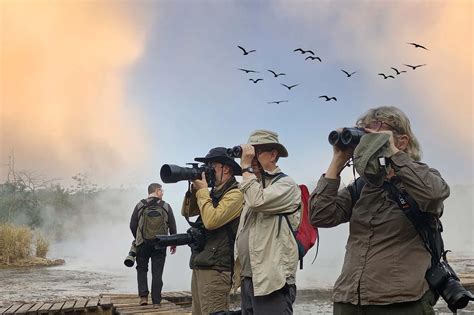
Good preparation protects your equipment, improves comfort, and reduces pressure on wildlife. Check current Uganda visa rules, health guidance, yellow fever requirements, travel advisories, park access rules, and permits through official sources before departure.
Pack for Forests, Wetlands, and Savannah
A compact daypack should hold binoculars, a camera, spare memory cards, extra batteries, a field guide, water, snacks, sunscreen, insect repellent, and a light rain layer. Neutral-colored clothing helps keep attention on the birds, while dry bags protect electronics during canoe trips.
Follow Birding and Wildlife Etiquette
Avoid playback unless a guide confirms that it is allowed and uses it sparingly. Keep still near feeding or nesting areas, stay on approved trails, and maintain a safe distance from animals.
Never move vegetation, touch nests, enter roost sites, or leave the trail for a better photograph. Follow guide and ranger instructions even when a target bird appears for only a few seconds.
Support Conservation and Local Communities
Park fees, licensed guides, community tourism, and responsible lodges can help support protected areas and habitat protection. Uganda Wildlife Authority guidance should shape behavior inside national parks, while conservation groups such as BirdLife International provide wider information on threatened species and important bird habitats.
Ask Amakula African Safaris about any community or conservation partnerships it currently supports, and request clear details rather than relying on general claims.
Conclusion
Uganda offers strong birding through its mix of rainforest, wetlands, lakeshores, savannah, and montane forest. The best Uganda birding safari with Amakula African Safaris will begin with target species, then add the right habitats, season, walking pace, and travel comfort.
Discuss your list and priorities before booking. Allow time for slow birding, verify current fees and permits, protect sensitive habitats, and keep expectations realistic because no wildlife sighting can be guaranteed. With careful planning and knowledgeable local support, Uganda can deliver a rewarding birding trip that also includes wildlife, culture, and memorable time outdoors.
Ready to Experience Africa?
Thank you for taking the time to read our blog and discover the wonders of East Africa with us. Now, it’s time to turn your African dream into a real adventure!
Whether you dream of gorilla trekking in Uganda or Rwanda, chimpanzee tracking, unforgettable wildlife safaris, cultural experiences, or a tailor-made East African adventure, the team at Amakula African Safaris is ready to make it happen.
Let us plan your safari with you. Contact us today for a free, personalized quotation and itinerary, designed around your interests, travel dates, and budget.
 Your African adventure starts with one message. Contact Amakula African Safaris today and let’s explore Africa together!
WhatsApp/Call: +256 777 950 699
Email: bookingamakulaafricansafaris@gmail.com
Website: amakulaafricansafaris.com
Explore Africa. Experience the Extraordinary best tour packages for the year 2027-28
Top Selling Africa Safari Holidays in 2027/2028
- 14 days Kenya & Uganda wildlife and Gorilla tracking safari
- 3 Days Uganda Gorilla Trekking & Wildlife Experience
- 14 Days Best Of Uganda Big 5 safari with Primates & Tree
- 5-Day Best Gorilla Trekking Safari In Uganda
- 7-Day Murchison Falls, Chimp Tracking & Gorilla Trekking
- 3-Days safari to Murchison Falls National Park
- 15-Day Gorilla Safari And Wildlife In Uganda
- 12-Day Rwanda and Uganda Gorilla Luxury Tour
- 14 DAYS UGANDA –RWANDA GORILLA EXPERIENCE
- 21 Days Rwanda, Congo And Uganda Gorilla Experience
- 21 Days Rwanda, Congo And Uganda Gorilla Experience Safari
- 10-Days Uganda And Rwanda Wildlife And Primate Safari
- 16 Days best of African safari to Rwanda and Uganda
- 4-Day Gorillas and Golden Monkeys Safari
- 3-Days Uganda mountain gorilla trekking safari
- 15-Day gorilla safari and wildlife in Uganda
- 6-Day Rwanda and Uganda Bwindi gorilla experience safari
- 14 Days|13 Nights Best of Uganda and Rwanda wildlife
- 3-Day Murchison Falls National Park and Ziwa Rhino sanctuary
- 15 Days-Gorilla Safari and Wildlife in Uganda
- 10 Days-Best of Uganda Ideal Primate tour
- 10 Days-Gorillas and Chimpanzees wildlife Uganda
- 10 Days-Uganda Gorilla Safari, Chimpanzee and Wildlife
- 8 Days-Best of Uganda Safaris with Gorillas
- 7 Days-Queen Elizabeth Gorillas Trekking In Bwindi and Lake
- 7 Days- Around Lake Mburo National Park
- 5-Days-Exciting Primates Adventure Safari in Uganda