
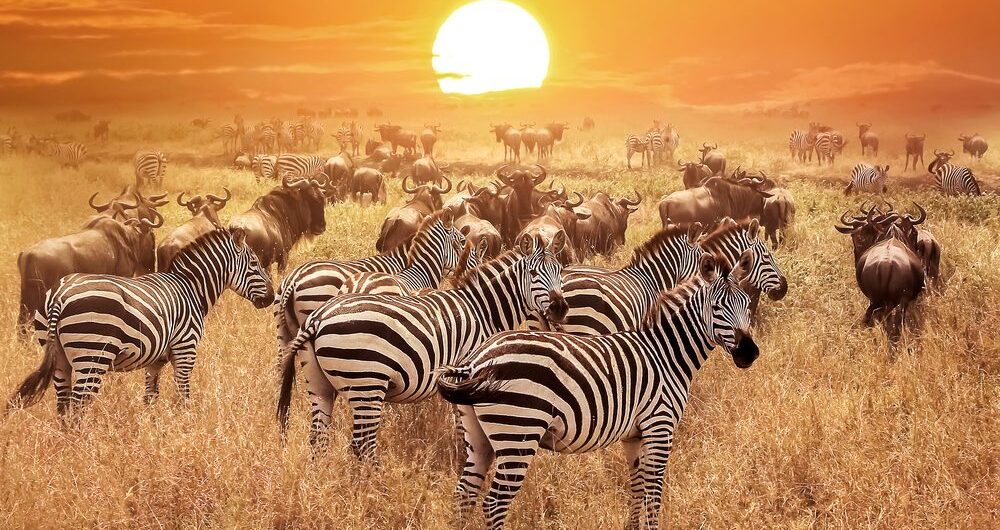
Imagine vast herds of wildebeest thundering across golden plains during the Great Migration. Picture snow-capped peaks of Mount Kilimanjaro piercing the sky. Or stroll through Zanzibar’s bustling spice markets, where scents of cloves and cinnamon fill the air. Tanzania stands out as Africa’s top spot for travelers craving wild adventures, rich history, and lazy beach days. This guide dives into the best places to visit in Tanzania, from epic Tanzania safaris to hidden cultural gems and stunning coastlines. You’ll get practical tips to plan your dream trip to these Tanzania travel destinations.
Discover the Northern Safari Circuit: The Apex of Wildlife Viewing
The northern circuit draws crowds for its unbeatable wildlife spots. You can spot lions, elephants, and zebras up close. Most parks here link well by road or short flights from Arusha. June to October marks the dry season, perfect for game drives. Rainy months from November to May bring lush green views but muddier paths.
Serengeti National Park: The Endless Plains
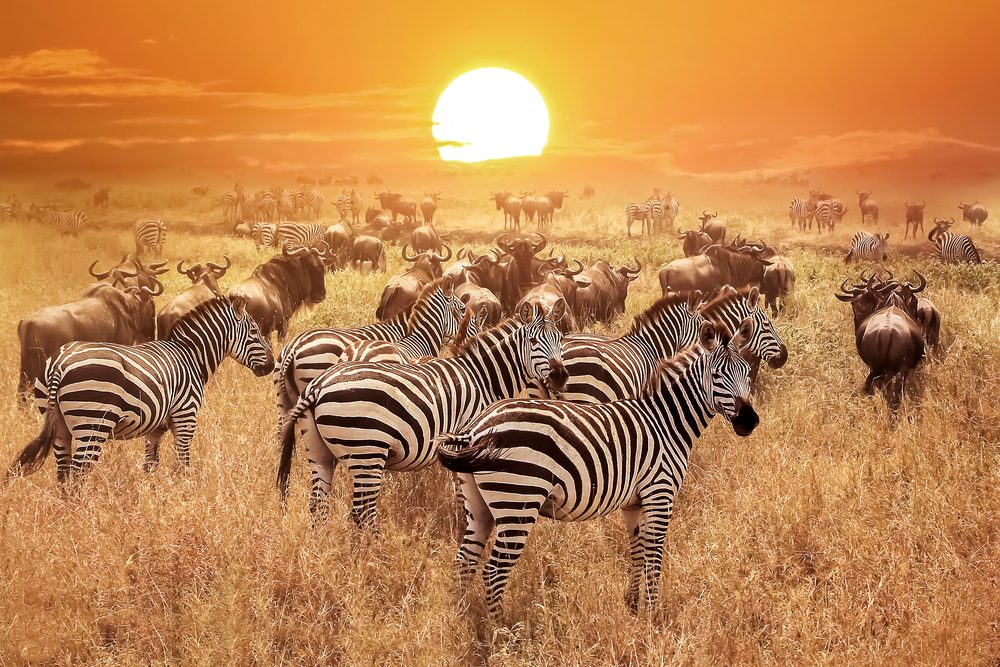
Serengeti covers over 5,700 square miles of grassland and acacia trees. It’s home to the Great Migration, where two million wildebeest cross rivers chased by crocs. Head to Seronera Valley for central plains action, or the Northern Serengeti for dramatic Mara River crossings.
You won’t forget the roar of engines as your jeep bumps along, eyes glued to the horizon. The park sees about 350,000 visitors yearly, yet feels empty in its scale. For the calving season, aim for January to March in the southern plains—newborns everywhere draw predators like magnets.
- Best time for migration: July to September for river drama.
- Pack binoculars and a good camera lens.
- Stay in tented camps for that immersive safari vibe.
Ngorongoro Crater: Nature’s Abundant Caldera
This massive crater, formed by a volcano collapse, traps animals inside its 100-square-mile bowl. Dense wildlife packs the floor—think rhinos, hippos, and flamingos by the lake. You can see the Big Five (lion, leopard, elephant, buffalo, rhino) in just a few hours.
Conservation efforts here shine. The black rhino population bounced back from near extinction, now numbering around 100 thanks to anti-poaching patrols. Drive down the steep walls at dawn for misty views and active animals before the heat hits.
One tip: Book a full-day crater tour to avoid rushing. Bring a picnic lunch from your lodge. Water sources draw herds, so mornings beat crowds.
Tarangire and Lake Manyara National Parks
Tarangire wows with ancient baobab trees that look like giants frozen in time. Elephant herds, up to 300 strong, roam dry riverbeds. It’s quieter than Serengeti, ideal for a relaxed Tanzania safari.
Lake Manyara surprises with tree-climbing lions lounging in acacias. The soda lake attracts pink flamingo flocks, and groundwater forests hide monkeys and birds. Combine both parks in a day trip from Arusha for variety.
- Tarangire peak: Dry season June to October for elephant spotting.
- Manyara highlight: Hot springs and hippo pools.
- Pro move: Opt for a guided walk in Tarangire for bird calls up close.
Conquer Africa’s Roof: Mount Kilimanjaro and the Northern Highlands
Climbing Kilimanjaro tests your grit but rewards with epic views. At 19,341 feet, it’s the world’s highest free-standing mountain. Prep with fitness training months ahead—altitude sickness hits hard without it. Routes vary, so pick based on your skill.
Climbing Mount Kilimanjaro: Choosing Your Route
The Machame route twists through rainforests and moorlands, offering stunning scenery and a 50% success rate. Lemosho gives extra days for acclimatization, boosting chances to 70% with fewer headaches. Marangu, the “Coca-Cola route,” uses huts instead of tents but feels busier.
Acclimatize by hiking high early and drinking plenty of water. Pole pole—Swahili for “slowly”—is the mantra to the summit. Uhuru Peak at sunrise paints the African plains gold.
- Machame: 6-7 days, scenic but steep.
- Lemosho: 8 days, wildlife on lower slopes.
- Tip: Hire porters; they carry gear so you focus on the climb.
Thousands summit yearly, but only 65% make it. Train with hikes and cardio. Join a reputable outfitter for safety gear.
Arusha and Moshi: Gateway Cities
Arusha buzzes as the safari hub, with markets selling colorful kitsch and coffee. It’s your launch pad for northern parks. Moshi sits at Kilimanjaro’s base, where you can tour Chagga coffee farms and sip fresh brews.
Both towns offer gear shops and cultural museums. Stay here pre-climb to adjust to the vibe. A half-day plantation walk shows how beans grow amid banana groves.
Don’t miss Arusha’s clock tower roundabout for street food. Moshi’s markets tempt with carvings. These spots blend logistics with local flavor.
The Southern Safari Circuit: Untamed Wilderness and Authentic Exploration
The south suits bold travelers wanting raw nature without the tourist rush. Parks here span huge areas with rough roads. Fly in from Dar es Salaam for ease. Dry season from June to October cuts down on bugs and floods.
Ruaha National Park: Elephants and Predators
Ruaha ranks as Tanzania’s second-largest park at 4,900 square miles. Lions and wild dogs hunt in open woodlands, and elephant numbers top 10,000. Rivers carve gorges where crocs lurk.
Spot leopards at dusk from your vehicle. The park’s remoteness means intimate sightings—fewer than 5,000 visitors a year. Walks with armed guides add thrill.
- Prime time: July to November for dry riverbeds.
- Stay in bush camps for night sounds.
- Watch for bat-eared foxes, rare elsewhere.
Selous Game Reserve (Nyerere National Park): River Adventures
Now called Nyerere, this 19,000-square-mile reserve mixes bush and waterways. Boat safaris on the Rufiji River let you glide past hippos and birds—no fences here. Wild dogs and cape buffalo thrive in the wilds.
Fish or canoe for a unique angle on wildlife. It’s a UNESCO site for biodiversity. Unlike the north, no off-road driving keeps it pristine.
Try a walking safari to track prints. Over 400 bird species call it home. Evenings bring lion roars echoing across the water.
Zanzibar and the Spice Islands: Sun, Sand, and History
After safaris, unwind on Zanzibar’s shores. This archipelago off Tanzania’s coast blends Arab, Indian, and African roots. Ferries or flights from Dar get you there quick. Visit year-round, but dodge March to May rains.
Stone Town: A UNESCO World Heritage Site
Stone Town’s narrow alleys hide carved doors and mosques from Omani traders. It was a key slave trade port in the 1800s, now a living museum. Wander the Old Fort, built by Portuguese in 1698, or the House of Wonders with its grand coral facade.
Feel the pulse of Zanzibar culture in bustling markets. Guides share tales of sultans and revolutions. It’s compact—explore on foot in a day.
- Key landmark: Freddie Mercury’s birthplace museum.
- Eat seafood at night spots.
- Respect dress codes near mosques.
The Beaches of Zanzibar: Relaxation and Diving
Northern beaches like Nungwi and Kendwa boast white sands and calm waters for swimming. Tides pull back far, so snorkel at low tide. Eastern spots in Paje and Jambiani offer kite surfing on windy shores.
Dive Mnemba Atoll for turtles and rays—visibility hits 100 feet. Relax in beach bungalows with ocean views. Sunsets here melt into the horizon.
Book a spice tour near Stone Town; farms show cinnamon and nutmeg up close. It’s hands-on fun with fresh lunches. North suits families; east draws adventure seekers.
Beyond the Main Attractions: Hidden Gems and Cultural Immersion
Tanzania hides spots away from main trails for deeper connections. These add heart to your trip. Seek guided tours to learn respectfully.
Lake Victoria: Cultural Heartbeat
Africa’s largest lake borders northwest Tanzania, where fishing villages dot the shores. In Mwanza, join dhow boat rides to catch tilapia at dawn. Island communities share Sukuma dances and myths.
The lake supports 30 million people with its waters. Markets overflow with fresh fish and crafts. It’s a chill contrast to safaris.
- Best access: From Mwanza town.
- Try nyama choma—grilled meat—lakeside.
- Watch for hippos from safe boats.
Cultural Experiences: Maasai Bomas and Hadzabe Bushmen
Visit Maasai bomas near Ngorongoro for dances and beadwork demos. They herd cattle in red shukas, sharing stories of elders. The Hadzabe, hunter-gatherers near Lake Eyasi, demonstrate bow hunting and honey gathering.
Approach with respect—ask before photos. Support communities through fair fees. These visits build understanding of Tanzania’s roots.
- Maasai tip: Learn basic Maa words.
- Hadzabe: Morning hunts reveal survival skills.
- Go ethical: Choose operators who give back.
Conclusion: Planning Your Perfect Tanzanian Adventure
Tanzania packs safaris in Serengeti and Ruaha, climbs on Kilimanjaro, and beaches in Zanzibar. Cultural dives at Stone Town or with Maasai add soul. From wildlife thrills to quiet coasts, it fits every traveler.
Start with the northern circuit for classics, then branch south or to islands. Check visas and vaccines early. These must-see Tanzania locations promise memories that last. Pack your bags—your African journey calls.