
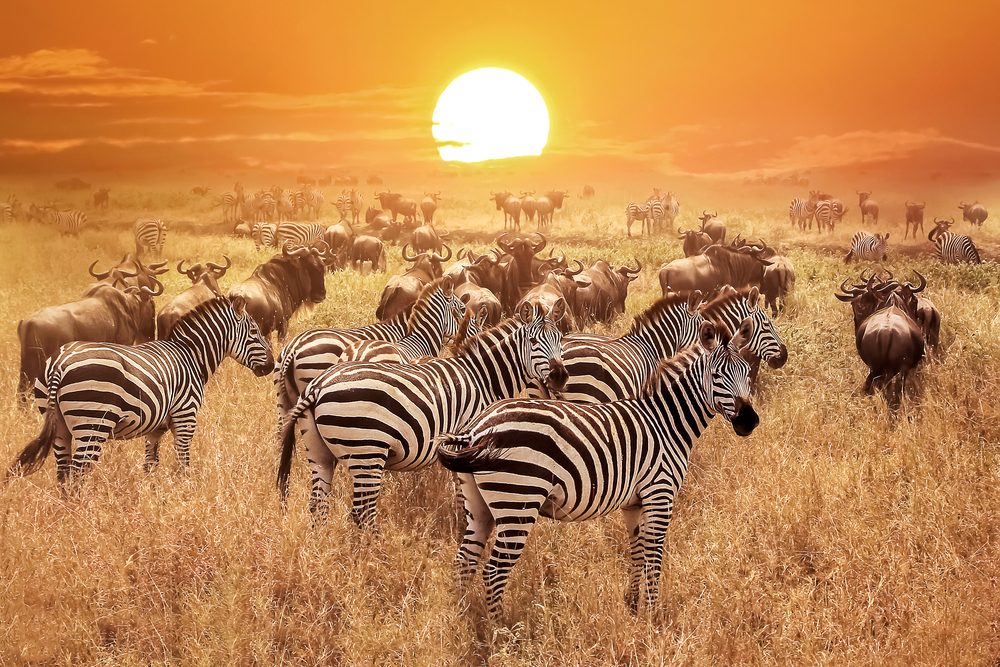
Imagine endless golden plains alive with zebras racing across the horizon, lions resting beneath acacia trees, and fiery sunsets setting the savannah aglow. This is the Masai Mara—where nature stages its most dramatic performances. To truly experience its magic, timing your visit is essential, as rainfall and seasons strongly influence wildlife movements, road conditions, and overall safari experiences.
Located in southwestern Kenya, the Masai Mara National Reserve spans approximately 580 square miles of open grasslands and riverine forests. It is world-renowned as home to the Big Five—lions, elephants, buffaloes, leopards, and rhinos—making it one of Africa’s premier safari destinations. However, the experience changes with the seasons: wildlife follows water and grazing patterns, visitor numbers rise and fall, and safari costs vary throughout the year.
This guide helps you understand the best time to visit Masai Mara for unforgettable safaris, breaking down seasonal weather, wildlife activity, crowd levels, and budget considerations—so whether you’re chasing the Great Migration or planning a quieter, cost-effective adventure, you can choose the perfect time to go.
Understanding Masai Mara’s Climate Cycles: Dry vs. Wet Seasons
Kenya’s weather shapes life in the Mara. Dry months bring clear views and thirsty animals. Wet times turn the land green but make roads tricky. Knowing these cycles lets you plan a trip that fits your style.
The dry season runs from June to October. Skies stay mostly blue with little rain. Temperatures hover around 70 to 85 degrees Fahrenheit during the day. Nights cool off fast. This setup draws animals to rivers and springs. Predators spot prey easily against the short grass.
Prime Wildlife Concentration
Without scattered puddles, beasts gather at lasting water spots. Elephants trumpet at the Mara River. Hippos wallow in deep pools. You see more action from your jeep. Tall grass hides less, so spotting a cheetah’s sprint feels straightforward.
Vegetation thins out, boosting visibility. Guides call it prime time for big cat hunts. Herds stick close to safe zones. This setup beats foggy wet-season hides.
The Great Migration River Crossings
July through September marks the height of the wildebeest drama. Millions cross from Tanzania’s Serengeti into the Mara. They brave crocodile-filled rivers in a chaotic rush. It’s raw and heart-pounding—nature at its edge.
Demand spikes here. Book lodges 10 to 12 months ahead. Prime spots fill quick. Miss it, and you still get solid views, but the frenzy pulls crowds.
The green season spans November to May. Short rains hit in November and December, then long ones drench March and April. Skies open up, turning dust to mud. Flowers bloom, and the air smells fresh. But heavy downpours can flood paths.
Animals spread out with new grass. Calves drop in February, easy pickings for lions. Bugs buzz, yet the peace suits quiet seekers.
Lush Landscapes and Birdwatching Excellence
Rain paints the Mara in vivid greens. Sunsets glow over wet plains. Photographers love the soft light after storms. Baby animals play, adding joy to drives.
Birds flock in—over 470 species call this home. Egrets ride buffaloes. Eagles soar high. Migrants arrive from Europe and Asia. Dawn choruses fill the air.
Reduced Crowds and Cost Savings
Fewer tourists mean more space. Jeeps don’t jostle at waterholes. You feel like the only one there. Lodges drop rates by 30 to 50 percent in March and April.
Parks stay open, but some tracks close in mud. Fly-in safaris dodge road woes. It’s a smart pick for deals without missing the wild.
Aligning Your Visit with The Great Migration Timeline
The Great Migration defines the Mara for many. About 1.5 million wildebeest lead the charge, trailed by zebras and gazelles. They chase rain-fresh grass in a year-long loop. Timing your stay syncs with their path.
This circle covers 500 miles between Kenya and Tanzania. Herds bulge rivers and plains. Calves born en route number up to 500,000. Predators feast—crocodiles claim thousands.
Following the Herds: Where Are the Wildebeest?
Herds leave the southern Serengeti in May or June. They head north, hitting the Mara by July. Rain pulls them back south come October. It’s not clockwork; weather tweaks the route.
Track updates via ranger reports or apps. Guides know hot spots. Stay flexible—nature doesn’t follow calendars.
Predicting the Crucial River Crossings
Crossings peak in July, August, and September. Wildebeest plunge into the Mara or Talek Rivers. Chaos ensues with splashes and snaps. You might wait days or hit it on the first drive.
Local experts read the signs. Herds mill at banks, building tension. Patience pays off big.
Post-Migration Activity (October and Early November)
After the rush, animals fan out. Plains teem with grazers. Lions relax after the feast. Views stay strong before rains return.
October brings crisp air and fewer folks. It’s a calm follow-up to summer crowds.
Balancing Costs and Experience: Seasonal Pricing Tiers
Money matters on safari. Peak times jack up fees for parks, flights, and stays. Off-peak saves big but tests your weather luck. Match budget to buzz.
Park entry costs $80 per adult daily. Add camp rates from $200 to $1,500 a night.
High Season Rates (July – September)
These months top the charts thanks to migration and dry skies. Camps charge double or more. Flights from Nairobi add 20 percent.
Book early—top tents go fast. Luxury spots like &Beyond hit full quick. Mid-range options book easier but still rise.
Understanding Luxury vs. Mid-Range Cost Differences
High-end camps offer private guides and plunge pools. They hike prices sharp in peak. Mid-range lodges keep basics solid at half the cost.
Mobile tents follow herds, booking out first. Pick based on your comfort level.
Shoulder Season Sweet Spots (May, June, October, November)
These edges blend good weather and deals. May ends rains with budding grass. June warms up pre-migration. October cools post-hype. November’s short rains freshen things.
Rates drop 20 to 40 percent. Crowds thin, yet action builds.
Maximizing Value During the Shoulder Months
Head to the Mara Triangle for steady game. Resident lions and elephants thrive there. Skip migration waits for reliable sights.
Pair with a balloon ride—prices ease then. You get luxury feels on a budget.
Tailoring Your Safari: Best Time by Interest
Not every trip chases the same thrill. Photogs crave light. Families want smooth rides. Budget folks eye savings. Pick months that match your vibe.
The Mara suits all, but seasons tilt the odds.
For Serious Photographers
Dry months give sharp contrasts. Animals pop against yellow plains. Green season adds lush backdrops and rain-kissed fur.
Light shifts daily—dawn and dusk shine gold.
Optimal Light Conditions
Rise early for pink skies and long shadows. Late afternoons warm the scene. Year-round, these hours beat midday glare.
Pack a good lens. Tripods help in bumpy jeeps.
For Families and First-Time Visitors
Stick to July through October. Roads stay firm, no mud surprises. Kids spot elephants without long waits.
Guides explain it all, keeping little ones hooked.
Managing Travel Logistics in Wet vs. Dry Roads
Long rains mire tracks—4x4s are a must. Dry paths let you roam free. Fly if roads worry you.
Kids love dry-season balloon views over herds.
For Budget Travelers and Solo Explorers
Aim for April and May. Camps slash rates. Shared jeeps cut costs. Solos join groups easy.
Birds and babies make it worth the wet spells.
Planning Your Trip: Essential Pre-Visit Action Points
You’ve picked your window—now lock it in. Visas, shots, and gear set you up smooth. Start months ahead.
Kenya requires e-visas online. Process takes days.
Securing Visas, Permits, and Vaccinations
Apply for a Kenya visa—$50 for most. Get Yellow Fever proof if from risky zones. Malaria pills guard against bites.
Check park permits with your camp. Rangers enforce them.
Packing Smart for Your Chosen Season
Dry trips need hats, sunscreen, and light layers for chill mornings. Green season calls for ponchos and quick-dry clothes.
Binoculars top the list—see crocs from afar. Cameras capture crossings. Bug spray fights tsetse flies.
- Essentials: Passport, meds, adapters.
- Safari gear: Neutral clothes, sturdy boots.
- Extras: Flashlight for night walks.
Conclusion: Your Perfect Masai Mara Moment Awaits
The Masai Mara best time to visit hinges on your goals. Peak dry season from July to September delivers migration thrills amid crowds and high costs. Green months like March and April offer lush views, baby animals, and wallet-friendly rates with fewer people.
Shoulder spots in May, June, October, and November strike a balance—decent weather, solid game, and savings. Year-round, the Mara’s wild heart beats strong. Plan smart, pack right, and book soon. Your safari adventure waits—go chase those horizons.
Booking a Kenya safari with Amakula African Safaris ensures an unforgettable adventure. They offer tailor-made itineraries to the Masai Mara and other iconic destinations, featuring experienced guides and comfortable accommodations. Enjoy unique wildlife encounters, cultural experiences, and breathtaking landscapes. With a focus on sustainability and customer satisfaction, Amakula African Safaris guarantees a memorable journey through Kenya’s stunning wilderness.