
Birding in Uganda offers an extraordinary experience, with the chance to spot over 1,000 bird species within a country roughly the size of Great Britain. Thanks to its remarkable diversity of habitats—ranging from lush forests and vast wetlands to towering mountains—Uganda boasts one of the highest bird densities in Africa. For bird enthusiasts in search of rare and endemic species, few destinations compare. This guide highlights why birding in Uganda is a must, showcasing the best birding hotspots, key species to look out for, and practical tips to help you plan a rewarding birding safari. Pack your binoculars and prepare for an unforgettable avian adventure.
Uganda’s Unmatched Avian Diversity Explained
Uganda sits at the heart of East Africa’s bird riches. Its rivers and hills draw flocks from across the continent. You can see everything from tiny sunbirds to giant storks here.
The Numbers Game: Species Count and Endemics
Birders tally more than 1,060 species in Uganda. That’s about half of Africa’s total birds in one small nation. The Albertine Rift runs through the west, home to 36 endemics you can’t find elsewhere.
Many areas count as Important Bird Areas, or IBAs. These spots protect key habitats from harm. Uganda’s bird list grows each year as new finds pop up.
Habitat Variety: From Savanna to Montane Forest
Savannas stretch wide in the north, full of open-country birds. Wetlands along the Nile teem with water lovers. Rainforests in the southwest hide shy forest dwellers.
Mountains climb to Afro-alpine heights, where highland species thrive. Each zone feeds different bird groups. You switch from grassy plains to misty peaks in a single drive.
This setup means no dull moments. Birds adapt to each patch, creating a living mosaic.
Key Bird Families to Target
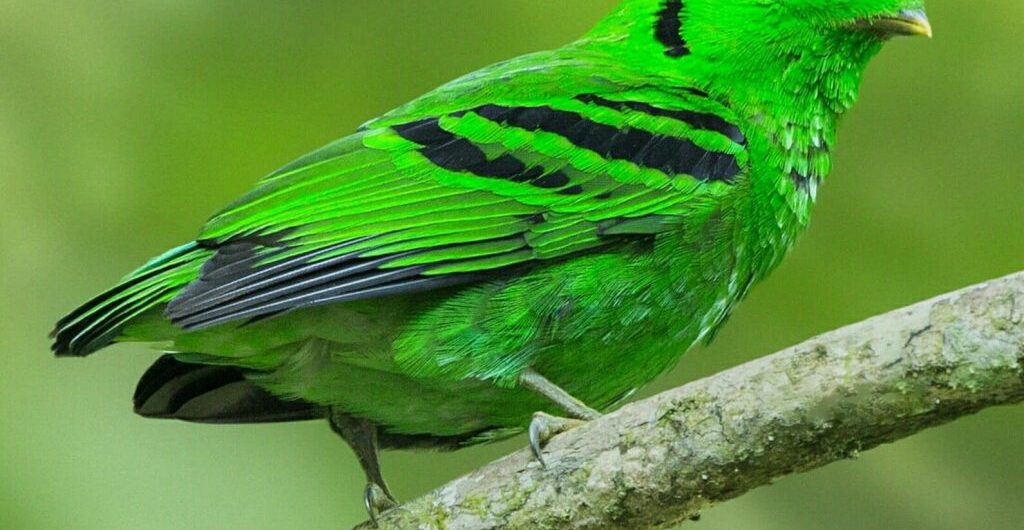
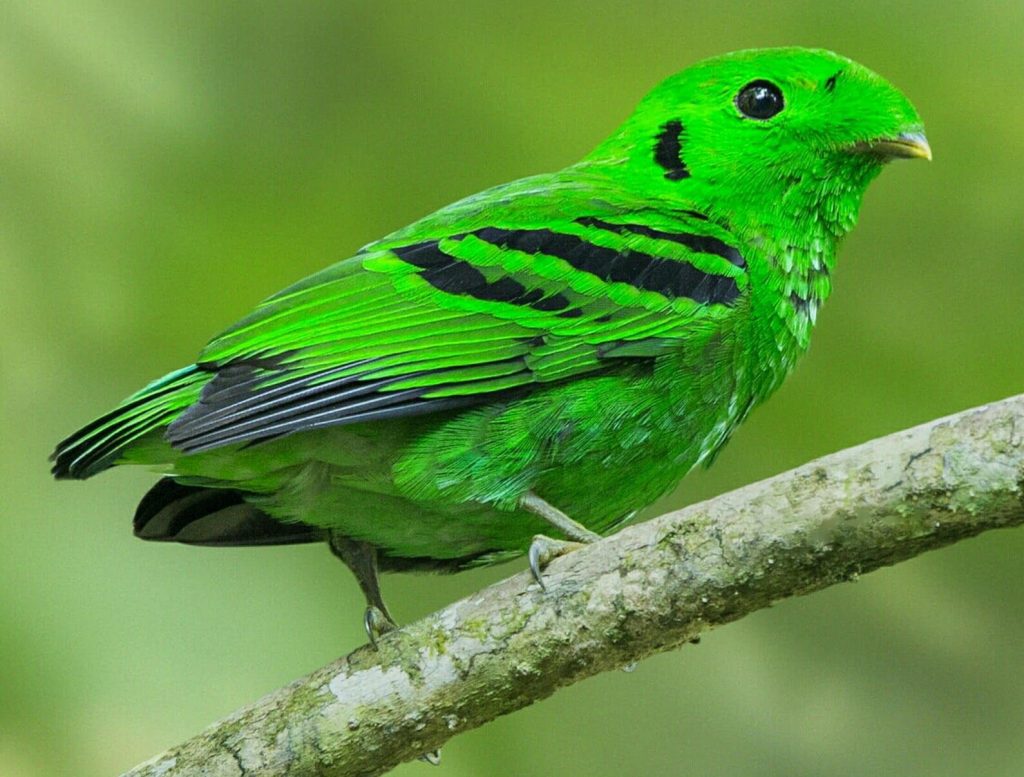
Look for the Shoebill first—it’s like a dinosaur in feathers. African Green Broadbills paint the forests green with their glow. Sunbirds dart like jewels, sipping nectar from blooms.
Barbets call loud from tree holes. Turacos flash red wings in flight. These families make Uganda’s birding stand out.
Hunt for them in the right spots. Each one adds color to your life list.
Top Birding Destinations Across Uganda
Pick your path based on what birds call to you. Uganda’s parks and swamps spread out easy to reach. Start in the capital and fan out.
Bwindi Impenetrable National Park: The Albertine Rift Jewel
Bwindi hides in misty hills, a hub for montane birds. Trails wind through thick vines where endemics lurk. The Buhoma sector often yields African Green Broadbills—spot them 70% of the time with luck.
Grauer’s Cuckoo-shrikes flit in the canopy. Guides know the calls to follow. Pack rain gear; paths get slick.
This park blends gorilla treks with bird hunts. You see primates and birds in one go.
Murchison Falls and Semuliki National Park: Western Wonders
Murchison’s river bends host savanna stars. White-crested Turacos perch bold on branches. The falls area buzzes with raptors soaring high.
Shift to Semuliki for Congo flair. It pulls in central African rarities like the African Piculet. Forest edges reveal Nkulengu Rails in the undergrowth.
These parks contrast dry and wet worlds. Birds here show Uganda’s range.
Mabamba Swamp and Lake Victoria Shoreline: Wetland Specialties
Mabamba’s papyrus beds cradle the Shoebill dream. Glide in a canoe at dawn for your best shot. Early light catches them fishing still.
Lake Victoria’s shores add pelicans and kingfishers. Herons stalk fish in the shallows. Swamps stay full year-round, but dry spells help sightings.
Bring bug spray; mosquitoes love the water. Local fishers point out hot zones.
Kibale Forest and Budongo Forest: Primate and Canopy Birding
Kibale links chimp tracks to bird chases. Yellow-spotted Barbets hammer fruits overhead. Hornbills crash through leaves like old planes.
Budongo’s tall trees let you scan for Greenbuls. Walk boardwalks to spot without mud. Primates draw crowds, but birds steal the show.
Pair a chimp hike with dawn chorus listens. Sounds fill the air like music.
The Shoebill Stork: Uganda’s Crown Jewel Quest
The Shoebill stares like a statue, its bill wide as a shoe. This giant draws birders from afar. Uganda claims the world’s best spots for it.
Best Locations and Optimal Viewing Conditions
Mabamba Swamp tops the list—it’s Shoebill central. Uganda Wildlife Education Centre near Entebbe offers close views in ponds. Murchison’s delta hides them in reeds during low water.
Visit in dry months from June to August. Water drops, making birds easier to see. Rainy times flood spots, but birds breed then.
Paddle quiet; noise scares them off. Patience pays here.
Ethical Photography and Observation Tips
Stay in your boat at Mabamba. Guides know safe distances to keep birds calm. Use blinds at UWEC for steady shots.
Pack a 300mm lens for details without crowding. Turn off flashes—they spook the giants. Follow rules to protect nests.
Respect locals; their tips make sightings real. Leave no trace in these fragile homes.
Planning Your Ugandan Birding Expedition
Book early for peak times. Roads link parks well, but guides smooth the way. Focus on weather and what to pack.
Timing Your Visit: Seasons and Bird Activity
Dry season from December to February means clear paths and active birds. Dust can cut views, but walking stays easy. Wet months bring migrants and lush green backdrops.
June to September dries swamps for better access. Breeding peaks vary by species—Shoebills nest in rains. Check moon phases for night birds if you go deep.
Year-round warmth keeps birds moving. Pick based on your targets.
The Essential Role of Local Expert Guides
Hire guides who know bird calls by heart. They spot hidden gems generalists miss. Vet them through park offices or bird clubs.
Look for ones with 10+ years in Uganda birdwatching. They share stories that books skip. Fees run $50-100 a day—worth every penny.
Go solo or in small groups for focus. Guides turn good trips great.
Essential Gear Checklist for Tropical Birding
- Binoculars: 8×42 models handle low light well.
- Spotting scope: Useful for distant wetland views.
- Waterproof jacket and pants: Rains hit fast.
- Field guide: Try “Birds of East Africa” for quick IDs.
- Insect repellent and hat: Beat the bugs and sun.
- Notebook and pen: Jot sightings on the fly.
Light packs keep you nimble on trails. Test gear before you fly.
Beyond the Big Listers: Understanding Birding Culture
Birding in Uganda builds bonds with locals. It funds parks and villages. Dive deeper than checklists.
Community Involvement and Ecotourism Success Stories
Tour fees help rangers guard habitats. Villages near Bwindi sell crafts to bird groups. One program in Mabamba trains youth as guides.
Success shows in stable Shoebill numbers. Communities track birds to aid science. Your visit aids this circle.
Join clean-ups or talks for more impact.
Identifying the Lesser-Known Gems
Skip the stars for weavers building nests like art. Sunbirds like the Scarlet-tufted flash in bushes. Endemic flycatchers dart quick in forests.
Chapins hop in understory shade. These small ones reward close looks. Use calls to find them.
Variety keeps trips fresh. Every bird counts in Uganda’s web.
Conclusion: Your Next Great Birding Adventure Awaits
Uganda crams bird wonders into easy reach. Over 1,000 species across habitats make it Africa’s top pick. From Shoebills to sunbirds, diversity shines.
Top spots like Bwindi and Mabamba deliver dreams. Plan with guides and gear for smooth sails. Dry seasons ease access, but anytime works.
Book that flight now. Uganda’s birds wait to amaze you. Start your list today—what’s your first target?