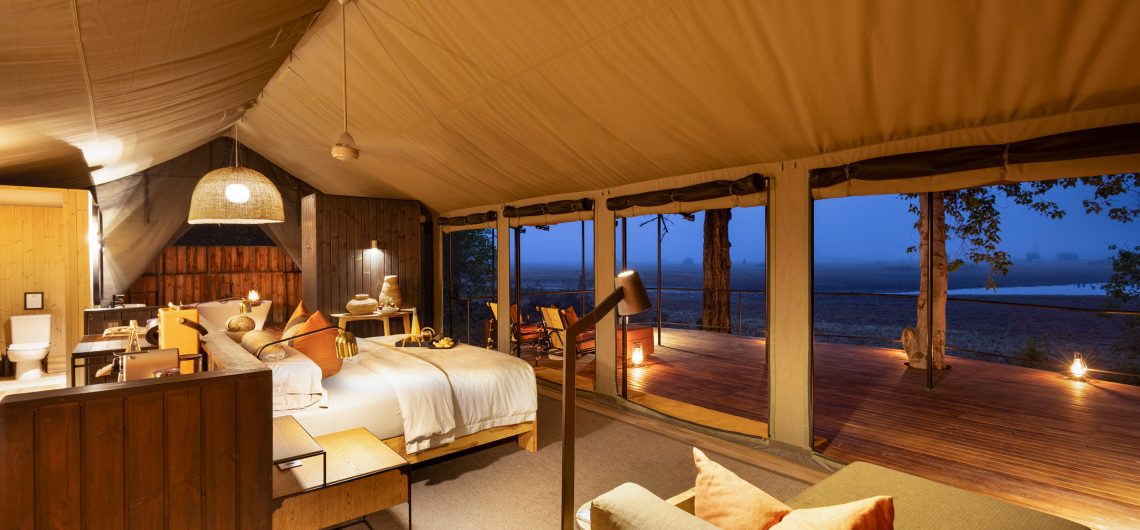
One of the most frequently asked questions by travelers planning Kenya Safaris or Uganda Safaris is: Is electricity available at safari lodges? The simple answer is yes. Today, most safari lodges and tented camps throughout East Africa provide reliable electricity, allowing guests to enjoy the perfect balance between wilderness and modern comfort. Whether you are embarking on Kenya Best Safaris, Uganda Best Safaris, Kenya Birding Safaris, Uganda Birding Safaris, Kenya Cultural Safaris, or Uganda Cultural Safaris, you can expect access to electricity for lighting, charging cameras, mobile phones, laptops, and other essential travel devices. Modern safari lodges are designed to blend naturally into their surroundings while minimizing environmental impact. Many properties use renewable energy sources such as solar power, supported by backup generators where necessary. This sustainable approach enables travelers to remain comfortable while preserving the pristine ecosystems that make East Africa one of the world's premier safari destinations. Whether you are photographing the spectacular wildlife during Kenya Great Migration Safaris, capturing rare birds during Uganda Birding Safaris, or documenting unforgettable encounters on Uganda Gorilla Trekking Safaris, reliable electricity ensures your equipment remains fully charged throughout your journey. Is Electricity Available at Safari Lodges During Kenya Safaris? Throughout Kenya Safaris, electricity is available in nearly all established safari lodges and luxury tented camps. Lodges located within or near the Maasai Mara, Amboseli National Park, Lake Naivasha, Samburu National Reserve, Tsavo National Parks, and Lake Nakuru National Park provide guests with dependable power while maintaining environmentally responsible operations. Many Kenyan safari accommodations rely primarily on: Solar energy systems Backup generators Hybrid renewable energy solutions Battery storage systems Luxury lodges generally offer 24-hour electricity, while eco-lodges and smaller camps may switch generators off during late-night hours to reduce environmental impact. However, guests can usually charge cameras, phones, drones (where permitted), laptops, and
One of the most frequently asked questions by travelers planning Kenya Safaris or Uganda Safaris is: Is electricity available at safari lodges? The simple answer
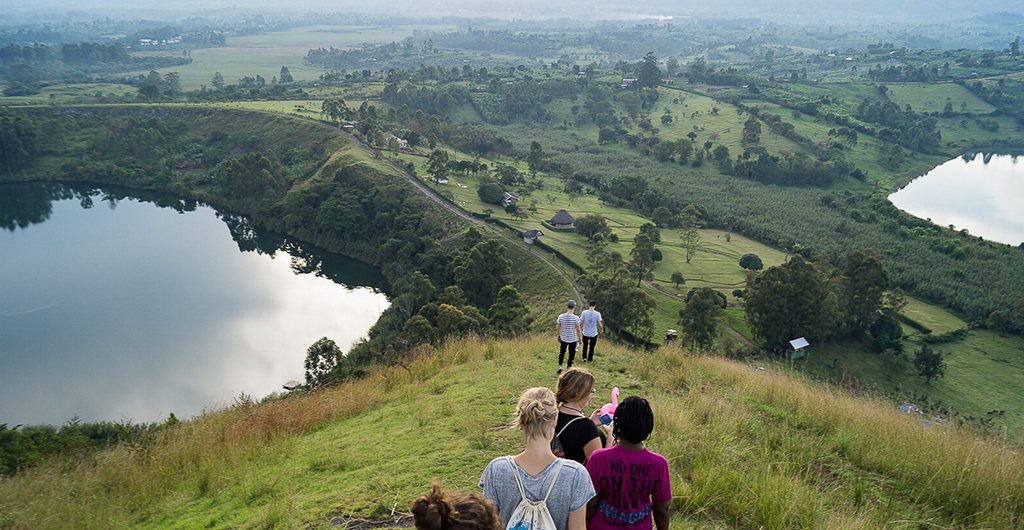
Fort Portal, nestled in western Uganda, is one of the country's most strategic tourism destinations and an excellent base for exploring some of Uganda's most famous protected areas. If you're wondering, "Is Fort Portal close to national parks?" the answer is yes. The town offers quick access to Kibale National Park, Queen Elizabeth National Park, Semuliki National Park, and Rwenzori Mountains National Park, making it a preferred destination for travelers seeking unforgettable wildlife experiences. Known for its rolling tea plantations, scenic crater lakes, and cool climate, Fort Portal is more than just a beautiful town—it's the perfect starting point for Uganda safaris, chimpanzee trekking, birdwatching, and cultural adventures. What National Parks Are Near Fort Portal? One of the biggest advantages of staying in Fort Portal is its proximity to several of Uganda's premier national parks. Kibale National Park Located just 30–45 minutes from Fort Portal, Kibale National Park is renowned as the world's best destination for chimpanzee trekking. The park protects over 1,500 chimpanzees alongside 12 other primate species. Visitors can enjoy: Guided chimpanzee trekking Chimpanzee habituation experiences Forest nature walks Uganda birding safaris Butterfly and monkey watching Chimpanzee safaris in Kibale are among Uganda's top wildlife experiences, attracting photographers, researchers, and families alike. Queen Elizabeth National Park Approximately 2 to 3 hours from Fort Portal, Queen Elizabeth National Park is Uganda's most visited safari destination. Highlights include: Big Five safari opportunities Tree-climbing lions in Ishasha Boat cruises on Kazinga Channel Elephant, buffalo, leopard, and hippo sightings Uganda wildlife safaris Birdwatching with over 600 recorded bird species This makes Fort Portal an excellent location for travelers planning both forest and savannah wildlife adventures. Semuliki National Park Only 1 to 1.5 hours away lies Semuliki National Park, one of Uganda's hidden gems. Visitors can experience: Sempaya Hot Springs Lowland tropical rainforest
Fort Portal, nestled in western Uganda, is one of the country’s most strategic tourism destinations and an excellent base for exploring some of Uganda’s most
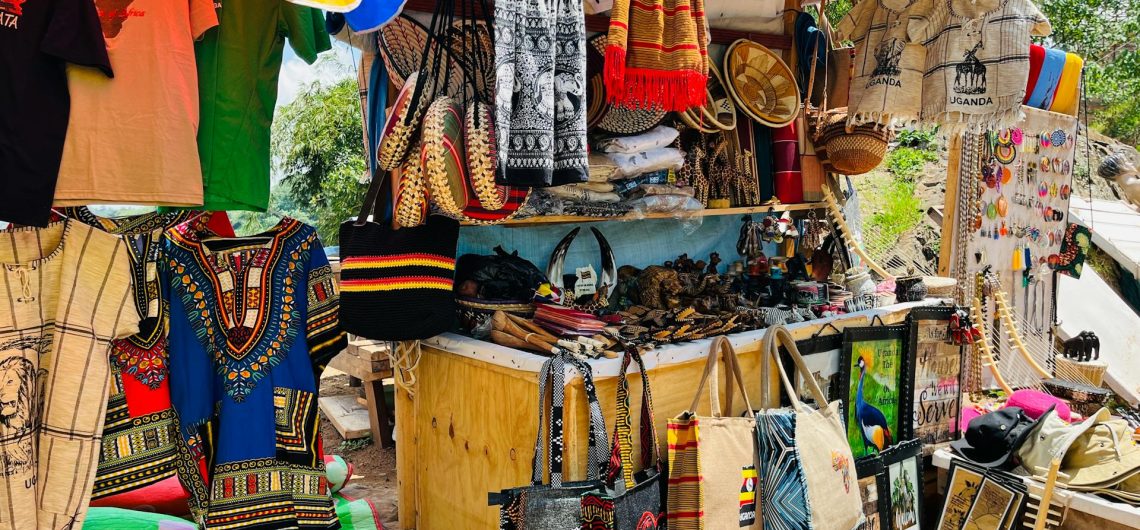
Purchasing local crafts on safari is one of the most meaningful ways to support local communities while taking home authentic memories of your journey. Whether you're enjoying Kenya Safaris, Tanzania Safaris, or Uganda Gorilla Trekking, buying handmade safari souvenirs directly from local artisans helps preserve traditional skills, strengthens local economies, and promotes responsible tourism shopping. At Amakula African Safaris, we encourage travelers to embrace ethical safari shopping by engaging respectfully with artisans, learning the stories behind their creations, and paying fair prices for their craftsmanship. From colorful Maasai beadwork in Kenya to woven baskets, Kanga textiles, and handcrafted wood carvings in Tanzania, every item reflects generations of cultural heritage and artistic expression. Choosing authentic African crafts over mass-produced souvenirs creates lasting connections with the communities you visit. Instead of viewing crafts as simple keepsakes, travelers gain a deeper appreciation for the traditions, symbolism, and cultural identity woven into every handmade piece. Why Are Local Crafts Important During Cultural Safaris? Many travelers ask, why are local crafts important during cultural safaris? Local crafts are far more than decorative souvenirs—they are living expressions of history, identity, and cultural preservation. During Kenya Cultural Safaris, visitors often meet the Maasai people, whose intricate beadwork represents age, social status, family heritage, and important life events. Purchasing these handcrafted items directly from artisans helps preserve traditional knowledge while supporting local livelihoods. Similarly, Tanzania Cultural Safaris offer opportunities to explore artisan communities around Arusha, Ngorongoro, and Serengeti, where travelers can purchase handmade wood carvings, woven mats, pottery, and traditional textiles created using techniques passed down through generations. When buying authentic African crafts, take time to ask about the meaning behind colors, patterns, and designs. This respectful curiosity transforms safari souvenir shopping into a genuine cultural exchange rather than a commercial transaction. Combining craft experiences with Kenya Birding
Purchasing local crafts on safari is one of the most meaningful ways to support local communities while taking home authentic memories of your journey. Whether