
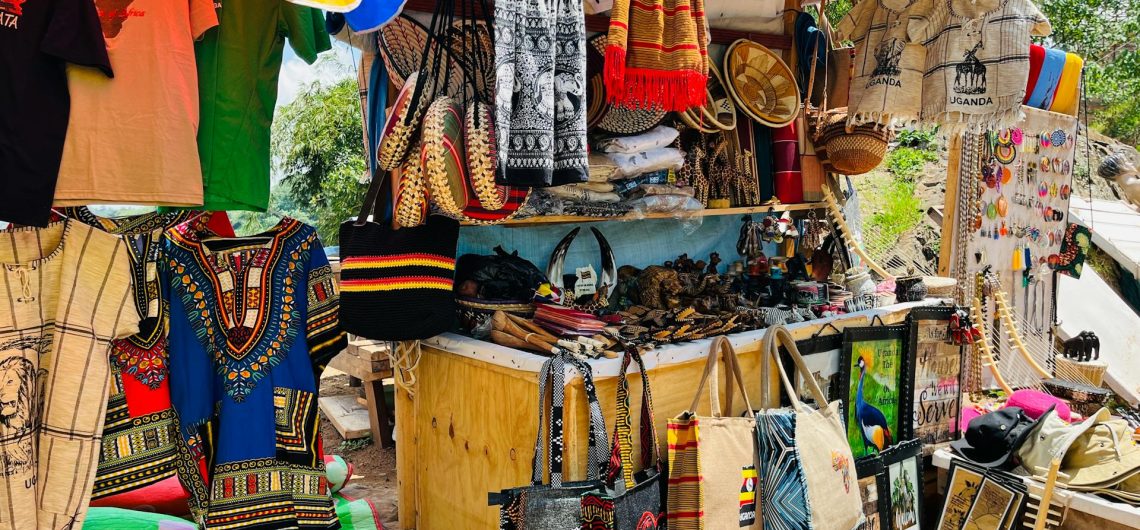
Purchasing local crafts on safari is one of the most meaningful ways to support local communities while taking home authentic memories of your journey. Whether you’re enjoying Kenya Safaris, Tanzania Safaris, or Uganda Gorilla Trekking, buying handmade safari souvenirs directly from local artisans helps preserve traditional skills, strengthens local economies, and promotes responsible tourism shopping.
At Amakula African Safaris, we encourage travelers to embrace ethical safari shopping by engaging respectfully with artisans, learning the stories behind their creations, and paying fair prices for their craftsmanship. From colorful Maasai beadwork in Kenya to woven baskets, Kanga textiles, and handcrafted wood carvings in Tanzania, every item reflects generations of cultural heritage and artistic expression.
Choosing authentic African crafts over mass-produced souvenirs creates lasting connections with the communities you visit. Instead of viewing crafts as simple keepsakes, travelers gain a deeper appreciation for the traditions, symbolism, and cultural identity woven into every handmade piece.
Why Are Local Crafts Important During Cultural Safaris?
Many travelers ask, why are local crafts important during cultural safaris?
Local crafts are far more than decorative souvenirs—they are living expressions of history, identity, and cultural preservation. During Kenya Cultural Safaris, visitors often meet the Maasai people, whose intricate beadwork represents age, social status, family heritage, and important life events. Purchasing these handcrafted items directly from artisans helps preserve traditional knowledge while supporting local livelihoods.
Similarly, Tanzania Cultural Safaris offer opportunities to explore artisan communities around Arusha, Ngorongoro, and Serengeti, where travelers can purchase handmade wood carvings, woven mats, pottery, and traditional textiles created using techniques passed down through generations.
When buying authentic African crafts, take time to ask about the meaning behind colors, patterns, and designs. This respectful curiosity transforms safari souvenir shopping into a genuine cultural exchange rather than a commercial transaction.
Combining craft experiences with Kenya Birding Safaris or Tanzania Birding Safaris allows visitors to appreciate both East Africa’s incredible biodiversity and its rich artistic traditions, creating a more immersive safari experience.
How Can Travelers Buy Local Crafts Ethically on Safari?
One of the most common questions is, how to buy local crafts ethically on safari?
Ethical purchasing begins with buying directly from artisans or trusted community cooperatives whenever possible. During Kenya Safaris and Tanzania Safaris, Amakula African Safaris arranges visits to local villages and artisan markets where travelers can meet craftspeople, observe traditional techniques, and purchase handmade products responsibly.
To practice responsible souvenir shopping, consider these simple guidelines:
- Buy directly from local artisans whenever possible.
- Ask permission before photographing crafts or artisans.
- Learn the cultural significance of the artwork.
- Pay fair prices without excessive bargaining.
- Avoid purchasing mass-produced or imported imitation crafts.
- Choose handmade products that genuinely represent local traditions.
These practices ensure your purchases directly benefit indigenous communities while preserving traditional craftsmanship.
Where Can You Buy Authentic African Crafts?
Travelers often wonder, where can I buy authentic African crafts?
East Africa offers countless opportunities to discover genuine handmade products throughout your safari journey.
In Kenya, artisan markets near Nairobi and cultural villages surrounding the Maasai Mara showcase:
- Maasai bead necklaces
- Warrior bracelets
- Leather belts
- Handmade sandals
- Decorative gourds
In Tanzania, visitors exploring Arusha, Tarangire, Ngorongoro, or Serengeti can find:
- Handwoven baskets
- Makonde wood carvings
- Kanga and Kitenge fabrics
- Traditional paintings
- Handmade jewelry
Those enjoying Uganda Gorilla Trekking near Bwindi Impenetrable Forest or Mgahinga Gorilla National Park can also visit nearby communities producing:
- Woven baskets
- Traditional pottery
- Bark cloth
- Handmade textiles
- Beekeeping products
Amakula African Safaris includes carefully planned cultural visits that allow guests to experience these artisan communities while supporting community tourism in Africa.
What Should Travelers Expect When Buying Handmade Safari Souvenirs?
Visitors should expect to discover unique, handcrafted products that reflect local traditions and exceptional craftsmanship.
Unlike factory-made souvenirs, handmade safari souvenirs often require hours—or even days—to complete. A single Maasai beaded necklace may take several hours to create, while intricate Tanzanian carvings or woven baskets may require multiple days of skilled labor.
When purchasing local crafts:
- Expect prices to reflect the artisan’s time and expertise.
- Ask questions about materials and production techniques.
- Appreciate the symbolism behind traditional designs.
- Understand that every handcrafted piece is unique.
These interactions enrich your understanding of African culture while supporting sustainable livelihoods for local families.
When Is the Best Time for Cultural and Craft Safaris?
The dry season, from June through October, is generally the best time to combine wildlife adventures with cultural experiences.
During these months:
- Roads remain accessible.
- Village visits are easier.
- Local craft markets are vibrant.
- Artisans frequently demonstrate traditional techniques.
- Wildlife viewing is at its peak.
This period is ideal for combining:
- Kenya Great Migration Safaris
- Tanzania Great Migration Safaris
- Uganda Gorilla Trekking
- Cultural village visits
- Artisan market experiences
Amakula African Safaris designs itineraries that blend wildlife encounters with authentic cultural interactions for a richer travel experience.
How Do Local Craft Purchases Support Sustainable Tourism?
Many travelers ask, is buying local crafts good for communities?
The answer is yes—when purchases are made responsibly.
Buying directly from local artisans:
- Supports household incomes.
- Preserves traditional craftsmanship.
- Encourages younger generations to learn cultural skills.
- Promotes community-based tourism.
- Reduces dependence on wildlife-related income alone.
- Strengthens local economies.
Ethical safari shopping also helps preserve endangered cultural traditions while ensuring tourism benefits reach rural communities.
Choosing fair trade African crafts and locally produced souvenirs contributes to long-term sustainable development across East Africa.
Why Choose Amakula African Safaris for Cultural Experiences?
Amakula African Safaris specializes in combining unforgettable wildlife adventures with authentic cultural encounters throughout East Africa.
Our carefully designed itineraries include:
- Kenya Cultural Safaris
- Tanzania Cultural Safaris
- Uganda Gorilla Trekking
- Kenya Birding Safaris
- Tanzania Birding Safaris
- Great Migration Safaris
- Community village visits
- Ethical artisan market experiences
Our experienced guides encourage respectful interaction with local communities, helping travelers understand the cultural significance of traditional crafts while promoting ethical travel practices.
Whether you’re purchasing Maasai beadwork, handmade baskets, traditional textiles, or wood carvings, every experience is designed to foster meaningful connections between travelers and local communities.
Final Thoughts
So, is it respectful to buy local crafts on a safari? Absolutely—provided purchases are made thoughtfully, ethically, and directly from local artisans whenever possible.
Choosing authentic African crafts, practicing responsible tourism shopping, and supporting indigenous communities transforms an ordinary souvenir into a lasting reminder of your journey. Every handcrafted item tells a story, preserves cultural heritage, and contributes to sustainable tourism across Kenya, Tanzania, and Uganda.
With Amakula African Safaris, your adventure becomes more than wildlife viewing—it becomes an opportunity to celebrate Africa’s rich cultural diversity while making a positive impact on the communities that welcome you.