
Do I Need Malaria Medication for Tanzania or Kenya Safaris?
This is one of the most common questions travelers ask when planning a wildlife adventure in East Africa. Whether you are preparing for Tanzania Safaris, Kenya Safaris, or combining your journey with Uganda Safaris, understanding malaria risk in Tanzania and Kenya is an important part of responsible travel preparation.
At Amakula African Safaris, we understand that planning an African safari involves more than choosing national parks and wildlife experiences. Health and safety should also be part of your preparation. Travelers considering Tanzania safari packages, Kenya wildlife adventures, Uganda Wildlife Safaris, Uganda Birding Safaris, Uganda Cultural Safaris, or Uganda Gorilla Trekking should understand the local malaria situation and discuss appropriate prevention with a qualified healthcare professional.
The good news is that malaria prevention is straightforward when travelers prepare properly. Prescription malaria medication, mosquito-bite prevention, suitable accommodation, and professional travel-health advice can significantly reduce the risk.
Is There a Malaria Risk in Tanzania and Kenya?
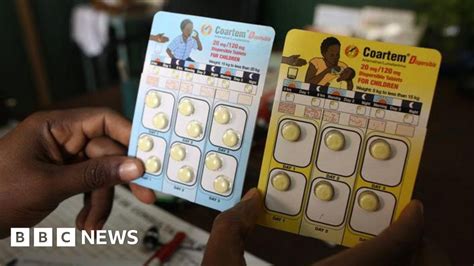
Yes. Malaria is present in parts of both Tanzania and Kenya, although the level of risk varies depending on location, elevation, season, and itinerary.
The CDC currently recommends prescription malaria prevention for travelers visiting malaria-risk areas of Tanzania. Its guidance identifies transmission areas as generally below 1,800 meters (5,900 feet), while also recommending measures to prevent mosquito bites.
For Kenya, CDC guidance recommends malaria prophylaxis for travelers visiting risk areas, including game parks below 2,500 meters (8,200 feet). The highly urbanized central part of Nairobi is an important exception where CDC does not recommend chemoprophylaxis, although mosquito-bite precautions are still advised.
This means travelers should not rely on the assumption that a safari destination is automatically malaria-free simply because it is located at a higher elevation or has a dry climate.
Do I Need Malaria Pills for a Tanzania Safari?
For many travelers visiting malaria-risk areas of Tanzania, malaria prophylaxis is recommended. Tanzania safari destinations such as the Serengeti, Tarangire, and other wildlife areas can fall within malaria-risk zones.
The appropriate malaria pills for Tanzania depend on your health history, medications, itinerary, length of stay, and other factors. Current CDC recommendations include options such as atovaquone-proguanil, doxycycline, mefloquine, and tafenoquine for relevant risk areas.
You should not choose an antimalarial medication solely because another traveler used it. A doctor or travel-health specialist can determine which option is appropriate for you.
Malaria Prevention in Serengeti National Park
The Serengeti is one of Tanzania’s most famous safari destinations and is home to spectacular wildlife, including the Great Migration. However, being on open savannah does not eliminate malaria risk.
Travelers should combine any prescribed malaria prophylaxis with practical mosquito precautions, particularly around dusk and after dark. Wearing long sleeves and trousers, applying an effective insect repellent, and sleeping in screened or mosquito-protected accommodation can all help reduce exposure.
Malaria Prevention in Tarangire National Park
Tarangire National Park is another popular destination on northern Tanzania safari circuits. Travelers may stay in tented camps or lodges where mosquito exposure can vary.
If your itinerary includes Tarangire together with the Serengeti, Ngorongoro Conservation Area, or another East African destination, speak with a healthcare professional about whether you need malaria medication for your safari and how long you should take it.
Do I Need Malaria Pills for a Kenya Safari?
Many travelers visiting malaria-risk areas of Kenya should consider malaria medication for Kenya. CDC guidance currently identifies malaria transmission in areas below 2,500 meters, including game parks.
This is particularly relevant to travelers visiting popular safari destinations such as the Maasai Mara and Amboseli.
Malaria Risk in Maasai Mara
The Maasai Mara malaria risk should be considered when planning a Kenya safari. Although the landscape is dominated by open grasslands and spectacular wildlife, mosquitoes can still occur.
Travelers should follow individualized medical advice regarding malaria prophylaxis, while also using mosquito repellent, wearing protective clothing, and choosing accommodation with appropriate mosquito protection.
The Maasai Mara is also frequently combined with Tanzania or Uganda, making it particularly important to consider the entire itinerary rather than assessing each destination separately.
Malaria Risk in Amboseli National Park
Amboseli is famous for its views of Mount Kilimanjaro, elephants, and open savannah landscapes. However, the presence of drier conditions does not mean that travelers should automatically assume there is no malaria risk.
CDC guidance covers malaria-risk areas of Kenya below 2,500 meters, including game parks.
If Amboseli is part of a wider Kenya Safaris itinerary, discuss malaria prevention with your healthcare provider before departure.
What Is the Best Malaria Medication for a Safari?
There is no single best malaria medication for safari travel for everyone.
Depending on your destination and individual circumstances, a healthcare professional may consider medications such as:
- Atovaquone-proguanil
- Doxycycline
- Mefloquine
- Tafenoquine
These are among the options listed by CDC for relevant malaria-risk areas in Tanzania and Kenya.
Your doctor may consider factors such as your medical history, other medicines you take, allergies, pregnancy or pregnancy plans, age, length of travel, and the precise destinations on your itinerary.
Some malaria medications need to be started before arrival, while others have different schedules. CDC advises travelers to consult a healthcare provider well before departure to determine the appropriate medication and timing.
Malaria Medication Is Only One Part of Malaria Prevention
Taking malaria tablets for Tanzania or Kenya does not mean you can ignore mosquito protection. Malaria medicines are not 100% effective, and mosquitoes can transmit other diseases as well.
Effective malaria prevention for safari should include:
- Using an appropriate insect repellent
- Wearing long-sleeved shirts and long trousers, especially in the evening
- Sleeping in screened, air-conditioned, or otherwise mosquito-protected rooms
- Using a bed net where appropriate
- Following your prescribed malaria medication schedule
- Seeking medical attention promptly if you develop a fever during or after your trip
CDC recommends measures such as insect repellent, protective clothing, screened or air-conditioned accommodation, and bed nets where necessary for travelers to Tanzania and Kenya
When Should I Start Taking Malaria Tablets Before a Safari?
The answer depends on the medication prescribed.
Some malaria tablets must be started several days before travel, while others require a different schedule. CDC advises travelers to speak with a healthcare provider before departure because the timing varies according to the medication.
For this reason, do not wait until the day before your flight to arrange malaria medication. Ideally, discuss your travel-health requirements at least a month before departure, particularly if you are combining several African countries.
What About Combining Tanzania or Kenya With Uganda Safaris?
Many visitors combine Tanzania Safaris or Kenya Safaris with Uganda Safaris. A multi-country itinerary can include wildlife viewing in the Serengeti or Maasai Mara followed by Uganda Gorilla Trekking, Uganda Wildlife Safaris, Uganda Birding Safaris, or Uganda Cultural Safaris.
Because malaria risk is also present in Uganda, travelers should discuss their complete itinerary with a travel-health professional rather than treating each country separately. CDC currently recommends prescription malaria prevention for travelers visiting Uganda.
This is particularly important for travelers moving between savannah, forest, rural, and lower-elevation environments.
Best Time for Malaria Prevention on Tanzania and Kenya Safaris
Travelers sometimes assume that malaria prevention is only necessary during the rainy season. However, malaria risk does not simply disappear during the dry season.
Rainfall, temperature, elevation, local mosquito populations, and your exact destination can all influence exposure. Therefore, travelers should follow destination-specific medical advice rather than deciding whether to take malaria medication based solely on the month of travel.
Whether you are traveling during a dry-season Kenya Safari, a rainy-season Tanzania wildlife trip, or a combined Uganda-Tanzania-Kenya itinerary, mosquito-bite prevention remains an important part of your travel-health strategy.
Can I Enjoy a Safari While Taking Malaria Medication?
In most cases, travelers who are prescribed an appropriate malaria prophylactic can participate normally in safari activities. Taking preventive medication should not prevent you from enjoying game drives, wildlife viewing, cultural experiences, birding, or other planned activities.
The important point is to follow the medication instructions provided by your healthcare professional and continue using mosquito-bite precautions throughout the journey.
If you experience significant side effects from a medication, contact a healthcare professional rather than simply stopping treatment without advice.
What If I Develop a Fever After an African Safari?
Malaria can be a serious and potentially life-threatening illness. If you develop a fever during a trip to a malaria-risk destination or after returning home, seek medical attention promptly and tell the healthcare professional about your recent travel history. CDC specifically advises travelers to seek immediate medical attention for fever after travel to malaria-risk areas.
Do not assume that a fever after a safari is simply flu, food poisoning, or jet lag.
Health Preparation for Your East African Safari
Good safari preparation includes more than packing binoculars, cameras, comfortable clothing, and sunscreen. Travel health preparation should also be part of your pre-departure planning.
Before your Tanzania or Kenya safari, consider:
- Booking a consultation with a travel-health professional.
- Sharing your complete itinerary, including stopovers and connecting countries.
- Asking whether you need malaria prophylaxis.
- Discussing which malaria medication is appropriate for you.
- Learning how and when to start and stop your medication.
- Packing sufficient medication for the entire journey, including possible delays.
- Taking insect repellent and appropriate protective clothing.
- Confirming that your accommodation provides suitable mosquito protection.
CDC advises travelers to obtain necessary medicines before departure and carry enough medication for the entire trip.
Why Choose Amakula African Safaris?
At Amakula African Safaris, we believe a successful safari begins with thoughtful preparation. Our experience across East Africa allows us to help travelers plan memorable journeys incorporating wildlife, culture, birding, and conservation experiences.
Whether you are interested in Uganda Best Safaris, Uganda Wildlife Safaris, Uganda Birding Safaris, Uganda Cultural Safaris, Uganda Gorilla Trekking, Tanzania Safaris, or Kenya Safaris, we can help you understand the practical considerations involved in planning a multi-destination African adventure.
Our safari planning focuses on creating comfortable, well-organized journeys while helping travelers prepare appropriately for their destinations.