
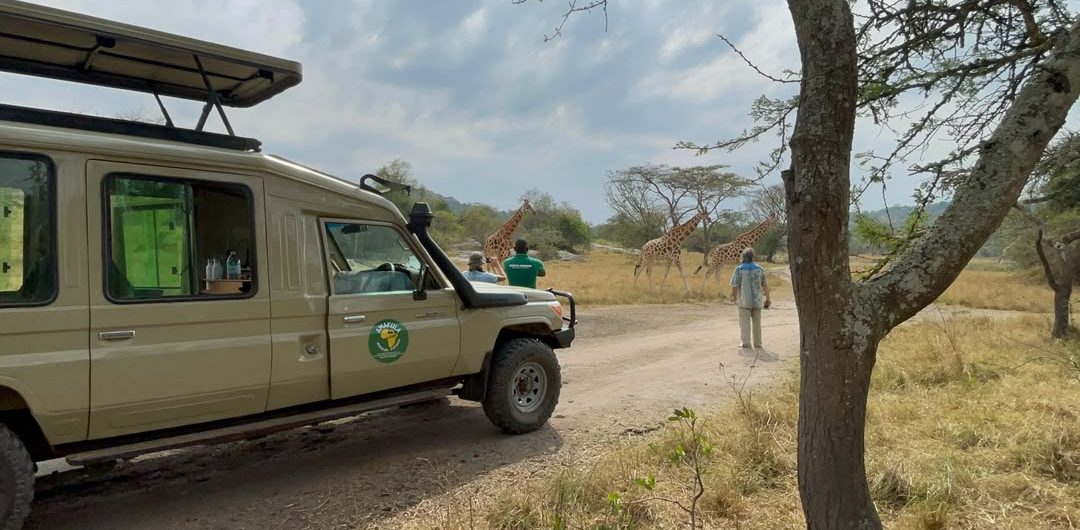
Uganda, famously known as the Pearl of Africa, is rapidly becoming one of East Africa’s most exciting wildlife destinations. From the tree-climbing lions of Queen Elizabeth National Park to the large elephant herds of Murchison Falls National Park and the remote wilderness of Kidepo Valley National Park, Uganda offers unforgettable safari experiences.
But for first-time visitors, one important question often comes up: Are game drives safe in Uganda?
The short answer is yes. Game drives in Uganda are generally very safe when conducted with licensed guides and reputable safari operators. Like any wildlife activity, however, safety depends on following established guidelines, listening to your guide, and remaining aware of your surroundings.
This comprehensive guide covers the key Uganda safari safety tips, potential risks, and practical precautions every traveler should know before embarking on a game drive.
1. Safety Regulations in Uganda’s National Parks
Uganda’s national parks are managed by the Uganda Wildlife Authority (UWA), which establishes and enforces rules designed to protect both visitors and wildlife.
Important safety measures include:
- Mandatory safety briefings before activities
- Clearly designated safari tracks
- Speed restrictions within national parks
- Ranger escorts where required
- Restrictions on leaving safari vehicles in unsafe areas
- Rules governing how visitors interact with wildlife
These measures help make Uganda game drive safety a priority. When visitors follow park regulations and their guides’ instructions, the likelihood of serious incidents is very low.
2. Wildlife Safety: What Are the Real Risks?
A game drive takes you into the natural habitat of elephants, lions, buffaloes, hippos, hyenas, giraffes, and other wild animals. While these encounters are thrilling, wildlife should always be treated with respect.
Fortunately, most risks are effectively managed by experienced safari professionals.
Highly Trained Safari Guides
Experienced Ugandan safari guides understand animal behavior and know how to respond to different situations. They can identify:
- Safe viewing distances
- Signs of animal agitation
- Elephant mock charges and other warning behaviors
- When to remain still
- When to reposition the safari vehicle
Their knowledge is one of the most important factors contributing to safe game drives in Uganda.
Wildlife Is Accustomed to Safari Vehicles
In popular national parks, many wild animals regularly encounter safari vehicles. Animals may therefore pay little attention to vehicles when visitors remain calm and follow the rules.
However, this does not mean wildlife is domesticated or harmless. Animals remain unpredictable, and visitors should never attempt to approach or provoke them.
Follow Visitor Safety Rules
For your own protection, never:
- Stand up or lean out of the vehicle close to dangerous wildlife
- Attempt to feed animals
- Shout at or deliberately attract wildlife
- Leave the safari vehicle except at designated safe locations
- Ignore instructions from your guide or ranger
Following these simple safari safety precautions in Uganda can significantly reduce unnecessary risks.
3. Road and Terrain Safety
Game drives often take place on rough, unpaved tracks. Depending on the season and location, roads can be dusty, rocky, muddy, or slippery.
The rainy seasons, particularly March to May and October to November, can make some tracks more challenging.
Reputable safari companies generally use:
- Well-maintained 4×4 safari vehicles
- Experienced drivers familiar with park terrain
- Communication equipment such as radios or mobile phones
- Drivers who understand changing weather and road conditions
For travelers wondering how safe game drives in Uganda are, the quality and experience of the safari operator are important considerations.
4. Overall Security and Personal Safety
Major safari destinations such as Murchison Falls, Queen Elizabeth, Lake Mburo, and Kidepo Valley have established tourism infrastructure and are regularly monitored by Uganda Wildlife Authority personnel.
For most travelers, following normal travel precautions and staying with their safari group is sufficient.
Choose an established safari company, listen to your guide, avoid wandering away from designated areas, and keep valuables secure. These basic measures contribute to a comfortable and secure Uganda safari experience.
5. Health and Environmental Factors to Consider
Although wildlife encounters are usually the main safety concern for first-time visitors, environmental conditions can also affect your comfort during a game drive.
Heat and Sun
Ugandan game drives can involve extended periods outdoors. Carry:
- Plenty of drinking water
- Sunscreen
- A wide-brimmed hat
- Sunglasses
- Lightweight, breathable clothing
Tsetse Flies
Tsetse flies occur in some safari areas, including parts of Queen Elizabeth National Park and Murchison Falls National Park. Long-sleeved clothing and neutral-colored safari clothing can help reduce exposure.
Dust
During dry periods, safari tracks can become dusty. A scarf or bandana can be useful, particularly when traveling in an open-sided vehicle.
These environmental factors are generally manageable with basic preparation and should not discourage travelers from enjoying a Uganda wildlife safari.
6. Tips for Ensuring a Safe Game Drive
Following a few practical Uganda safari safety tips can make your experience safer and more enjoyable.
Choose a Reputable Safari Operator
Before booking, research your tour company carefully. Look for:
- Experienced and knowledgeable safari guides
- Positive reviews from previous travelers
- Properly maintained 4×4 vehicles
- Seat belts
- First-aid supplies
- Reliable communication equipment
- Clear safety procedures
A reputable operator should be willing to explain its safety standards before your trip.
Always Follow Your Guide’s Instructions
Your safari guide knows the terrain, wildlife, and local conditions. If your guide tells you to remain seated, stay quiet, or wait inside the vehicle, follow those instructions immediately.
Your guide’s experience is one of your best protections during a wildlife encounter.
Avoid Self-Driving Unless You Are Experienced
Self-drive safaris are possible in some Ugandan national parks, but they are not ideal for everyone.
First-time safari travelers may find it challenging to navigate rough tracks, understand animal behavior, identify safe viewing distances, and respond appropriately to unexpected wildlife encounters.
For most beginners, joining a professionally guided safari is the safer and more convenient option.
7. Are Night Game Drives Safe in Uganda?
Night game drives can provide a completely different safari experience because many animals become more active after sunset.
Night drives are available in selected areas, including Lake Mburo and Queen Elizabeth National Park, subject to applicable park regulations and arrangements.
Because visibility is limited and nocturnal animals behave differently, additional precautions are necessary. Where required, night activities should be conducted with an authorized ranger or experienced guide.
Travelers should remain inside the vehicle, follow instructions carefully, and avoid using flash photography or attempting to attract animals.
8. What Should You Do During a Wildlife Encounter?
One of the most important game drive safety tips is to remain calm.
If an elephant, buffalo, lion, or another large animal approaches your vehicle:
- Stay inside the vehicle.
- Remain quiet and avoid sudden movements.
- Do not attempt to attract the animal’s attention.
- Follow your guide’s instructions.
- Allow the guide to determine whether the vehicle should remain stationary or move away.
Remember that the vehicle itself provides an important layer of protection. The safest approach is to let your guide manage the encounter.