
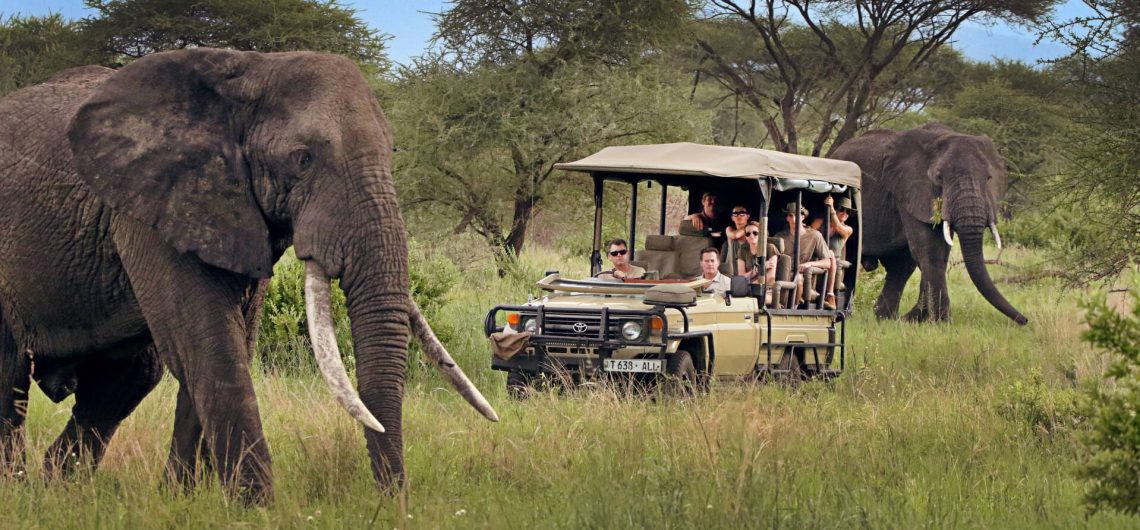
How Many Days Do I Need for a Good Safari in Kenya or Tanzania?
How Many Days Do I Need for a Good Safari in Kenya or Tanzania? This is one of the most important questions to consider when planning an unforgettable East African adventure. The ideal safari duration depends on your interests, budget, and the destinations you want to explore. The number of days you choose will determine how much wildlife you can see, how many national parks you can visit, and whether your experience feels relaxed and immersive or rushed.
At Amakula African Safaris, we understand that every traveler has different interests. Some visitors dream of witnessing the Great Migration Safari, while others want to photograph the Big Five, experience Maasai culture, or combine a classic Kenya safari with Uganda Gorilla Trekking. With years of experience organizing Uganda Safaris, Uganda Wildlife Safaris, Uganda Birding Safaris, Uganda Cultural Safaris, and tailor-made East African adventures, we help travelers choose the ideal safari duration that delivers the best possible experience.
Whether you’re planning a Kenya safari itinerary, a Tanzania safari itinerary, or a combined East African journey, this guide explains the recommended number of days for every destination.
Understanding the Ideal Safari Duration in East Africa
One of the most common questions travelers ask is:
How long should an African safari last?
The answer depends on:
- The parks you want to visit
- Your travel budget
- Transportation (road or domestic flights)
- Wildlife interests
- Photography opportunities
- Cultural experiences
- Time available
While a 3-day safari in Kenya offers an introduction to African wildlife, most experienced safari planners recommend spending 6 to 10 days exploring Kenya or Tanzania. This duration provides enough time to experience multiple ecosystems without feeling rushed.
A longer safari also increases your chances of witnessing spectacular wildlife behavior, including predator hunts, elephant migrations, river crossings, and unforgettable sunrise and sunset game drives.
For first-time visitors wondering How many days should I spend on safari?, our recommendation is:
- 4–5 Days – Good introduction
- 6–8 Days – Ideal first safari
- 9–12 Days – Best wildlife experience
- 12–15 Days – Kenya + Tanzania or safari plus Uganda Gorilla Trekking
Why Safari Duration Matters
The duration of a safari in Kenya or Tanzania directly affects the quality of your experience.
Unlike ordinary vacations, wildlife viewing depends on animal movement, weather, migration patterns, and time spent inside protected areas. Every additional day increases opportunities for remarkable sightings.
A longer safari allows visitors to:
- Explore multiple national parks
- Enjoy morning and evening game drives
- Witness different animal behaviors
- Visit local communities
- Experience birdwatching
- Relax between activities
- Capture better wildlife photography
This philosophy is similar to our expertly designed Uganda Best Safaris, where carefully planned itineraries maximize wildlife encounters while maintaining comfort and flexibility.
Masai Mara National Reserve
Recommended Safari Duration: 3–5 Days
For many travelers searching How many days for Kenya safari, the answer starts with the world-famous Masai Mara National Reserve.
A stay of three to five days allows visitors to fully appreciate one of Africa’s greatest wildlife destinations.
During this period, guests can enjoy:
- Multiple game drives
- Big Five sightings
- Great Migration (seasonal)
- Hot air balloon safaris
- Photography sessions
- Maasai cultural visits
The Mara offers exceptional opportunities to observe:
- Lions
- Leopards
- Cheetahs
- Elephants
- Buffaloes
- Hyenas
- Wildebeest
- Zebras
- Giraffes
If visiting during July to October, travelers may witness the spectacular Great Migration, one of the world’s greatest wildlife events.
Adding authentic Maasai village visits creates an experience similar to our immersive Uganda Cultural Safaris, where wildlife and local traditions combine to tell Africa’s complete story.
Amboseli National Park
Recommended Safari Duration: 2–3 Days
If you’re wondering Is 3 days enough for a safari in Kenya?, Amboseli National Park proves that shorter safaris can still be extraordinary.
Known as the Kingdom of Giants, Amboseli is famous for:
- Huge tusked elephants
- Mount Kilimanjaro views
- Wetlands
- Birdlife
- Buffalo herds
- Lions
- Cheetahs
A stay of two to three days provides ample time to explore its diverse habitats through morning and afternoon game drives.
Bird enthusiasts especially appreciate Amboseli, making it an excellent complement to specialized Uganda Birding Safaris.
Visitors can also meet local Maasai communities and learn about their traditional pastoral lifestyle, beadwork, music, and customs.
Serengeti National Park
Recommended Safari Duration: 4–7 Days
Anyone asking How many days for Tanzania safari? should prioritize sufficient time in the legendary Serengeti.
The ideal safari itinerary for Tanzania includes four to seven days inside this vast ecosystem.
Why?
Because the Serengeti is enormous.
Wildlife changes dramatically between its central plains, western corridor, northern migration routes, and southern calving grounds.
Spending nearly a week allows travelers to experience:
- Big Five encounters
- Great Migration
- Predator hunts
- Balloon safaris
- River crossings (seasonal)
- Endless savannah landscapes
- Exceptional wildlife photography
This extended stay significantly increases opportunities to witness unforgettable wildlife behavior and is highly recommended for photographers and nature enthusiasts.
For travelers asking Is 7 days enough for a Tanzania safari?, the answer is yes—especially when centered around the Serengeti and neighboring parks.
Ngorongoro Conservation Area
Recommended Safari Duration: 1–2 Days
No Tanzania safari itinerary is complete without visiting the spectacular Ngorongoro Crater.
Although shorter than Serengeti stays, one to two days here delivers remarkable wildlife viewing.
Inside the world’s largest intact volcanic caldera, visitors may encounter:
- Black rhinos
- Lions
- Elephants
- Flamingos
- Buffaloes
- Hippos
- Hyenas
- Jackals
Because wildlife is concentrated within the crater floor, game viewing is exceptionally rewarding even during a single full-day safari.
Travelers can also visit Maasai communities living around the conservation area, adding cultural richness to their East African safari.
Sample Safari Itineraries3-Day Kenya Safari
Perfect for travelers with limited time.
Includes:
- Masai Mara
- 4–5 game drives
- Big Five opportunities
- Maasai cultural visit
5-Day Kenya Safari Itinerary
Ideal for first-time visitors.
Suggested parks:
- Masai Mara
- Lake Nakuru
- Amboseli
This itinerary offers excellent wildlife diversity while remaining affordable.
7-Day Tanzania Safari Itinerary
Recommended route:
- Tarangire National Park
- Lake Manyara National Park
- Ngorongoro Conservation Area
- Serengeti National Park
This itinerary balances wildlife, landscapes, and cultural experiences.
10-Day Kenya and Tanzania Safari
For travelers searching Kenya and Tanzania combined safari duration, a 10-day itinerary offers one of East Africa’s finest wildlife adventures.
Suggested route:
- Amboseli
- Masai Mara
- Serengeti
- Ngorongoro
This combination showcases the very best of both countries while maximizing wildlife sightings.
Can You Combine Kenya or Tanzania with Uganda Gorilla Trekking?
Absolutely.
Many travelers extend their safari by adding Uganda Gorilla Trekking in Bwindi Impenetrable National Park.
This creates one of Africa’s most rewarding wildlife combinations:
- Lions
- Leopards
- Elephants
- Rhinos
- Cheetahs
- Great Migration
- Mountain Gorillas
- Chimpanzees
- Rich birdlife
At Amakula African Safaris, we organize seamless cross-border itineraries combining:
- Kenya Safaris
- Tanzania Safaris
- Uganda Wildlife Safaris
- Uganda Birding Safaris
- Uganda Cultural Safaris
- Gorilla Trekking
These multi-country adventures provide unmatched biodiversity within a single journey.
Best Time for a Kenya or Tanzania Safari
Choosing the best time for safari is almost as important as selecting the right itinerary.
June – October (Dry Season)
This is the peak wildlife viewing season.
Ideal for:
- Big Five safaris
- Great Migration river crossings
- Wildlife photography
- Family safaris
November – March (Green Season)
Excellent for:
- Birdwatching
- Calving season
- Green landscapes
- Fewer tourists
- Better accommodation rates
Travelers interested in the Great Migration Safari should consider:
- July–September for Mara River crossings
- January–March for calving season in southern Serengeti
Every season offers unique wildlife experiences.
How to Reach Kenya and Tanzania Safari Destinations
International travelers typically arrive via:
Kenya
- Nairobi (Jomo Kenyatta International Airport)
From Nairobi, visitors can reach:
- Masai Mara
- Amboseli
- Lake Nakuru
- Samburu
using domestic flights or comfortable road transfers.
Tanzania
Most safaris begin through:
- Kilimanjaro International Airport
- Arusha
Domestic flights and guided road transfers connect travelers to:
- Serengeti
- Ngorongoro
- Tarangire
- Lake Manyara
Amakula African Safaris handles every aspect of transportation, ensuring smooth transfers throughout your East African adventure.
Why Choose Amakula African Safaris?
When planning the ideal safari itinerary for Kenya or Tanzania, choosing an experienced tour operator makes all the difference.
At Amakula African Safaris, we specialize in creating personalized journeys tailored to every traveler’s interests, budget, and schedule.
Our services include:
- Tailor-made Kenya safari itineraries
- Customized Tanzania safari itineraries
- Luxury and mid-range accommodations
- Experienced professional safari guides
- Birdwatching safaris
- Cultural experiences
- Family safaris
- Photography safaris
- Uganda Gorilla Trekking extensions
- Cross-border East African tours
With extensive expertise in Uganda Best Safaris, Uganda Wildlife Safaris, and multi-country adventures, we ensure every itinerary delivers unforgettable wildlife encounters, exceptional service, and authentic African experiences.