
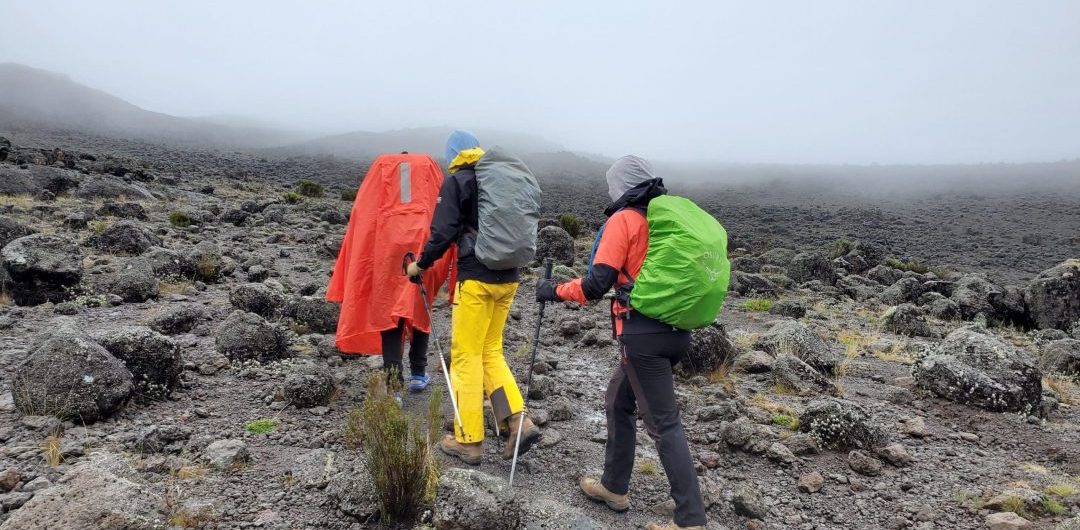
Is Altitude Sickness a Concern During Tanzania-Kenya Hiking Safaris?
Is Altitude Sickness a Concern During Tanzania-Kenya Hiking Safaris? This is an important question for travelers planning Tanzania-Kenya hiking safaris, highland treks, mountain climbing adventures, or visits to elevated national parks. Yes, altitude sickness can occur, particularly when exploring high-elevation destinations such as Mount Kilimanjaro, Mount Kenya, the Ngorongoro Highlands, and other East African mountain regions. However, with proper preparation, gradual acclimatization, and professional guidance, travelers can reduce the risk and safely enjoy these spectacular landscapes.
Altitude sickness, medically referred to as Acute Mountain Sickness (AMS), occurs when the human body struggles to adjust to reduced oxygen levels at higher elevations. Visitors participating in Kenya Wildlife Safaris, Kenya Birding Safaris, Tanzania Wildlife Safaris, and Tanzania Great Migration tours that include high-altitude destinations should understand the symptoms, risks, and prevention measures before beginning their journey.
At Amakula African Safaris, carefully planned itineraries combine adventure, wildlife exploration, and cultural experiences while prioritizing traveler safety in high-altitude environments.
Understanding Altitude Challenges on Tanzania-Kenya Hiking Safaris
Altitude sickness can affect anyone regardless of age, fitness level, or previous hiking experience. As travelers climb above 2,000 meters (6,500 feet), oxygen levels decrease, requiring the body to work harder to adapt. Common symptoms of altitude sickness include:
- Headaches
- Dizziness
- Nausea
- Loss of appetite
- Shortness of breath
- Fatigue
- Difficulty sleeping
Travelers exploring Tanzania hiking safaris and Kenya hiking safaris may experience altitude changes when trekking through mountain landscapes, volcanic highlands, and elevated conservation areas.
Destinations such as Mount Kilimanjaro, Mount Kenya, and the Ngorongoro Highlands provide unforgettable trekking experiences but require proper acclimatization. Amakula African Safaris designs hiking itineraries with gradual elevation increases, rest periods, and experienced guides to reduce altitude-related risks.
Combining high-altitude adventures with Uganda Gorilla Trekking, wildlife viewing, or cultural experiences can also be arranged safely when adequate recovery time and proper scheduling are included.
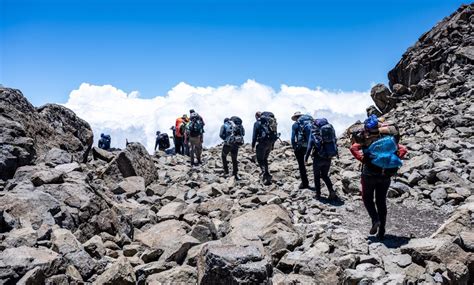
High-Altitude Destinations in Kenya and Tanzania
East Africa offers some of the world’s most spectacular mountain and highland safari destinations. While these locations provide breathtaking scenery and unique biodiversity, their elevations require travelers to be aware of altitude challenges.
Mount Kenya Hiking Safaris
Mount Kenya is one of Africa’s highest mountains and a popular destination for trekking adventures. Hiking routes pass through bamboo forests, alpine moorlands, and rocky landscapes where visitors may encounter changing temperatures and reduced oxygen levels.
Mount Kenya trekking can be combined with Kenya Wildlife Safaris, offering opportunities to explore wildlife-rich destinations while experiencing mountain landscapes.
Mount Kilimanjaro
Kilimanjaro is Africa’s highest mountain and one of the world’s most famous trekking destinations. Altitude sickness is one of the main challenges faced by climbers because the summit reaches approximately 5,895 meters above sea level.
Successful Kilimanjaro climbs depend on:
- Choosing longer trekking routes
- Allowing enough acclimatization time
- Maintaining hydration
- Following professional guides
- Monitoring altitude symptoms
Ngorongoro Highlands and Other Elevated Areas
The Ngorongoro Highlands, Aberdare Ranges, Mount Longonot, and Usambara Mountains provide unique safari experiences combining scenery, wildlife, and cultural encounters.
Visitors enjoying Tanzania Cultural Safaris or Kenya Cultural Safaris may explore communities living in these highland areas while gradually adapting to elevation changes.
How Altitude Affects Travelers During Safari Activities
Reduced oxygen at high elevations can affect physical performance and endurance. Travelers may notice increased fatigue during:
- Mountain hiking
- Walking safaris
- Birdwatching excursions
- Long nature walks
- Highland exploration activities
Early recognition of altitude sickness symptoms is essential. Mild Acute Mountain Sickness may cause discomfort, but severe cases can become dangerous.
Serious altitude-related conditions include:
High-Altitude Pulmonary Edema (HAPE)
A condition where fluid accumulates in the lungs, causing breathing difficulties.
High-Altitude Cerebral Edema (HACE)
A rare but serious condition involving swelling of the brain.
Symptoms requiring urgent attention include:
- Severe headaches
- Confusion
- Difficulty walking
- Extreme breathlessness
- Loss of coordination
Amakula African Safaris emphasizes safety through experienced guides, careful route planning, hydration advice, and monitoring of traveler wellbeing throughout high-altitude adventures.
Preventing Altitude Sickness During Tanzania-Kenya Hiking Safaris
Proper preparation significantly reduces the chances of altitude sickness. Travelers should consider the following measures:
Gradual Acclimatization
Allowing the body enough time to adjust is the most effective prevention method. Longer hiking routes with gradual altitude gains are recommended, especially for Mount Kilimanjaro and Mount Kenya climbs.
Stay Hydrated
Drinking enough water helps the body adapt to altitude and reduces fatigue during trekking activities.
Maintain a Slow Pace
Walking slowly allows the body to adjust while reducing exhaustion.
Listen to Your Body
Ignoring early symptoms can increase risks. Travelers should communicate discomfort to guides immediately.
Choose Experienced Safari Operators
Professional guides understand altitude challenges and can adjust itineraries when necessary.
Amakula African Safaris integrates these safety practices into Kenya Safaris, Tanzania Safaris, and customized East African adventure packages.
Cultural Experiences in East African Highland Regions
Highland destinations are not only about mountains and landscapes. They are also home to diverse communities with rich traditions.
Travelers can enjoy cultural experiences with communities such as:
- Maasai communities in Kenya and Tanzania
- Chagga communities around Mount Kilimanjaro
- Meru communities near Mount Kenya
Activities may include:
- Visiting traditional villages
- Learning about coffee and tea farming
- Exploring local markets
- Participating in cultural demonstrations
These activities often take place at moderate elevations, allowing visitors to enjoy meaningful cultural interactions while continuing their acclimatization process.
Best Time for High-Altitude Hiking Safaris
Timing plays an important role in ensuring a safe and enjoyable hiking experience.
The best periods for Tanzania-Kenya hiking safaris are generally:
- January to March
- June to October
These months usually offer:
- Better trail conditions
- Clearer mountain views
- Reduced rainfall
- Improved trekking comfort
Rainy seasons may create slippery trails, colder conditions, and increased physical challenges.
Amakula African Safaris schedules hiking adventures, wildlife safaris, and cultural experiences during favorable seasons to maximize safety and enjoyment.
How to Reach Highland Safari Destinations
Access to East Africa’s mountain destinations is convenient with proper planning.
For Mount Kilimanjaro trekking, most travelers arrive through:
Kilimanjaro International Airport
From there, transfers connect visitors to Moshi, Marangu, and other trekking starting points.
Mount Kenya adventures are commonly accessed through Nairobi or Nanyuki, while Tanzania safari circuits connect through Arusha.
Amakula African Safaris manages transportation, accommodation arrangements, and route planning to ensure smooth connections between:
- Kenya Wildlife Safaris
- Tanzania Wildlife Safaris
- Tanzania Great Migration tours
- Uganda Gorilla Trekking experiences
Travelers should expect:
- Cooler temperatures
- Changing weather conditions
- Reduced oxygen levels
- Physically demanding activities
- Spectacular mountain scenery
Despite altitude challenges, highland regions offer exceptional wildlife and birding opportunities.
Visitors may encounter:
- Colobus monkeys
- Highland antelopes
- Elephants
- Unique montane bird species
For bird lovers, Kenya Birding Safaris and Tanzania Birding Safaris provide opportunities to observe rare high-altitude species in forests and mountain ecosystems.
Combining Highland Treks with Wildlife Safaris
One of the advantages of East African travel is the ability to combine mountain adventures with world-famous wildlife experiences.
Travelers can combine:
- Mount Kilimanjaro trekking with Serengeti safaris
- Mount Kenya hiking with Maasai Mara wildlife tours
- Highland exploration with Tanzania Great Migration experiences
- Mountain adventures with Uganda Gorilla Trekking
By alternating high-altitude activities with lower-elevation wildlife experiences, travelers allow their bodies time to recover while enjoying diverse landscapes and ecosystems.
Why Choose Amakula African Safaris for Highland Adventures?
Amakula African Safaris specializes in creating safe, memorable, and customized East African safari experiences. Our expertise includes:
- Tanzania hiking safaris
- Kenya hiking safaris
- Wildlife adventures
- Birding safaris
- Cultural experiences
- Multi-country East African itineraries
With professional guides, carefully planned routes, and attention to altitude safety, travelers can confidently explore elevated destinations without unnecessary health risks.
Altitude sickness is a genuine consideration during Tanzania-Kenya hiking safaris, but with proper preparation, acclimatization, and expert support, visitors can safely experience the mountains, wildlife, and cultures that make East Africa one of the world’s greatest adventure destinations.