
Is Drinking Water Safe in Safari Destinations?
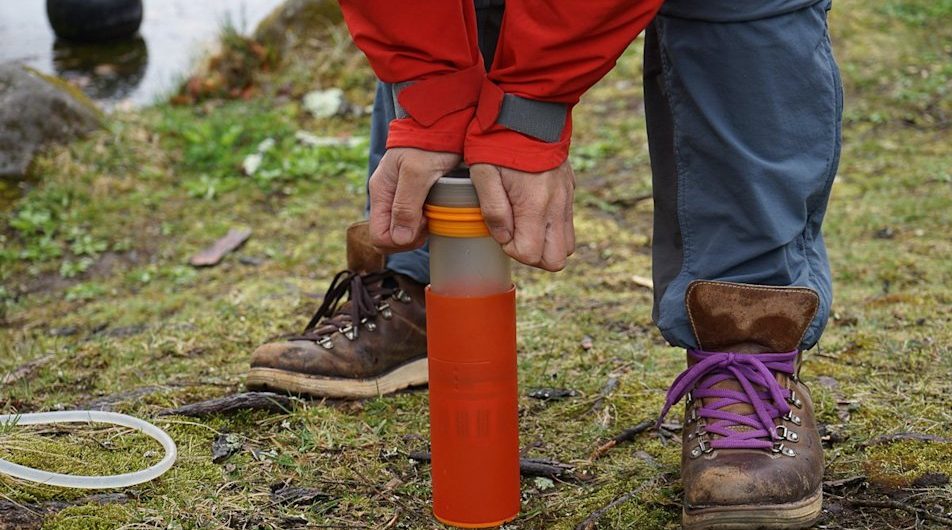
Is Drinking Water Safe in Safari Destinations? This is an important question for travelers planning an African safari, as access to safe drinking water is essential for a comfortable and healthy journey. The answer is yes, provided you drink water supplied by reputable safari lodges, camps, and trusted tour operators. Across Kenya Safaris, Tanzania Safaris, Uganda Safaris, and Rwanda Safaris, established accommodations commonly provide bottled, filtered, or purified drinking water suitable for international travelers. To stay safe, avoid drinking untreated water from lakes, rivers, streams, or other natural water sources unless it has been properly purified.
Whether you are witnessing the Kenya Great Migration in the Maasai Mara, following the Tanzania Great Migration across the Serengeti, enjoying Kenya Wildlife Safaris, participating in Kenya Birding Safaris, or experiencing authentic Kenya Cultural Safaris, staying properly hydrated is essential for both comfort and health. At Amakula African Safaris, guest safety is a priority, and every traveler receives guidance on safe drinking water practices before and during their safari.
Why Water Safety Matters During African Safaris
Safari adventures often take place in remote wilderness areas where untreated rivers, lakes, streams, and waterholes are home to wildlife. Although these natural water sources appear clean, they may contain bacteria, parasites, or viruses capable of causing gastrointestinal illnesses.
To avoid waterborne diseases:
- Drink only bottled, filtered, or purified water.
- Avoid drinking directly from rivers, lakes, or streams.
- Use treated water when brushing your teeth if advised.
- Keep a reusable water bottle and refill it only from approved sources.
- Stay hydrated during game drives, walking safaris, and cultural excursions.
Following these simple precautions allows travelers to enjoy their safari without unnecessary health concerns.
Maasai Mara National Reserve – Safe Drinking Water on Kenya Safaris
The Maasai Mara remains one of Africa’s premier safari destinations and a highlight of Kenya Best Safaris. Visitors frequently ask whether drinking water is safe while exploring this remarkable ecosystem.
Luxury lodges, tented camps, and safari operators provide bottled or professionally filtered water throughout your stay. However, rivers such as the Mara River should never be considered safe drinking sources because they support large populations of wildlife including hippos, crocodiles, and migrating wildebeest.
Staying Hydrated in Maasai Mara
During morning and afternoon game drives, your safari guide normally carries sufficient bottled drinking water. Travelers should also:
- Carry extra water during full-day game drives.
- Avoid untreated natural water.
- Drink regularly, especially during warm afternoons.
- Replace lost fluids after long wildlife activities.
Proper hydration helps visitors fully enjoy spectacular wildlife sightings, including lions, elephants, leopards, cheetahs, buffaloes, giraffes, and more than 450 bird species that attract bird enthusiasts from around the world.
Cultural Experiences
The Maasai Mara also offers unforgettable Kenya Cultural Safaris, allowing visitors to interact with Maasai communities, learn traditional customs, enjoy cultural dances, and discover centuries-old pastoral lifestyles.
Serengeti National Park – Water Safety During Tanzania Wildlife Safaris
The Serengeti is internationally recognized for the Tanzania Great Migration, where millions of wildebeest, zebras, and gazelles move across endless plains.
Like other safari destinations, untreated rivers and seasonal streams should never be used for drinking. Fortunately, reputable safari camps throughout the Serengeti provide clean bottled or filtered drinking water.
Safe Hydration Tips
Travelers should:
- Drink bottled water supplied by camps.
- Refill reusable bottles using treated water only.
- Avoid ice unless prepared with purified water.
- Drink consistently during long game drives.
These precautions are especially important during hot afternoons when dehydration can occur quickly.
Cultural Experiences
Many itineraries combine wildlife viewing with Tanzania Cultural Safaris, where travelers visit Maasai villages or Hadzabe communities to learn about traditional lifestyles, craftsmanship, and ancient hunting techniques.
Amboseli National Park – Clean Drinking Water Beneath Mount Kilimanjaro
Amboseli National Park is famous for its enormous elephant herds and spectacular views of Mount Kilimanjaro. Because the park lies within a semi-arid environment, safe hydration becomes even more important.
Safari lodges and camps provide bottled or purified water throughout the stay. Visitors should never drink from swamps, springs, or seasonal rivers despite their appearance.
Water Safety Recommendations
For maximum safety:
- Carry enough drinking water throughout the day.
- Refill bottles only at camps or trusted refill stations.
- Drink regularly during wildlife viewing.
- Avoid untreated natural water.
These practices ensure travelers remain healthy while enjoying Amboseli’s elephants, lions, cheetahs, giraffes, zebras, buffaloes, and exceptional birdlife.
Cultural Encounters
Amboseli also offers rewarding Kenya Cultural Safaris, where visitors experience Maasai traditions, colorful beadwork, livestock culture, music, and storytelling.
Ngorongoro Crater – Safe Water During Tanzania Safaris
Ngorongoro Crater combines extraordinary wildlife concentrations with breathtaking scenery. Although freshwater sources exist throughout the conservation area, they should never be consumed without treatment.
Professional safari operators ensure guests always have access to clean drinking water throughout game drives.
Staying Healthy
To remain comfortable during crater excursions:
- Drink water frequently.
- Carry bottled water throughout the safari.
- Avoid untreated springs and streams.
- Maintain hydration even during cooler mornings.
Proper hydration helps travelers enjoy sightings of black rhinos, elephants, lions, hyenas, flamingos, and numerous bird species.
Cultural Experiences
The Ngorongoro Conservation Area is also home to Maasai communities, making it an excellent destination for Tanzania Cultural Safaris that combine wildlife conservation with authentic cultural interactions.
Additional Drinking Water Safety Tips for Safari Travelers
Whether visiting Kenya, Tanzania, Uganda, or Rwanda, follow these recommendations:
- Drink only sealed bottled water or professionally filtered water.
- Check that bottled water seals remain unopened.
- Use purified water when brushing your teeth if recommended.
- Wash fruits thoroughly or choose peeled fruits.
- Avoid untreated ice if water quality is uncertain.
- Carry oral rehydration salts for emergencies.
- Stay hydrated before, during, and after game drives.
- Pack a reusable bottle for environmentally responsible travel.
These simple precautions greatly reduce the risk of waterborne illnesses during your safari.
Is Bottled Water Provided During Safaris?
Yes. Most professional safari operators, luxury lodges, tented camps, and mobile safari camps provide complimentary bottled or purified drinking water throughout the journey.
Many eco-friendly lodges now encourage guests to refill reusable bottles using high-quality filtration systems, reducing plastic waste while maintaining excellent hygiene standards.
Why Choose Amakula African Safaris?
Choosing Amakula African Safaris means traveling with experienced professionals who prioritize your health, safety, and overall safari experience. From Kenya Wildlife Safaris and Kenya Birding Safaris to Tanzania Safaris, Tanzania Cultural Safaris, and unforgettable Great Migration adventures, every itinerary is carefully planned with guest comfort in mind.
Our experienced guides ensure travelers always have access to safe drinking water, reliable accommodations, and expert advice throughout the journey. Whether you are exploring the Maasai Mara, Serengeti, Amboseli, or Ngorongoro Crater—or combining your safari with Uganda Gorilla Trekking—you can travel confidently knowing that every detail has been thoughtfully arranged.