
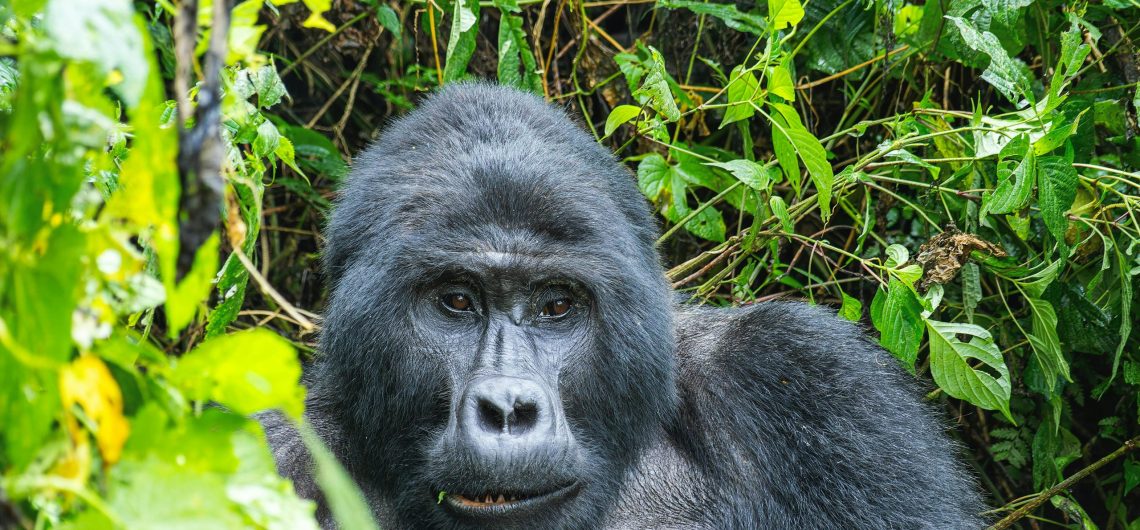
Gorilla trekking in Uganda is one of Africa’s most sought-after wildlife adventures, drawing travelers from around the world to the misty rainforests of Bwindi Impenetrable National Park and Mgahinga Gorilla National Park. But for first-time visitors, one important question often comes up:
Is Gorilla Trekking in Uganda Safe?
Yes, gorilla trekking in Uganda is generally considered safe when conducted with professional guides, authorized rangers, reputable tour operators, and established conservation guidelines.
Uganda has built a strong reputation for responsible gorilla tourism. Treks are carefully organized, gorilla groups visited by tourists are habituated to human presence, and trained ranger teams accompany visitors throughout the experience.
However, like any outdoor adventure, gorilla trekking involves some manageable risks. Understanding the terrain, weather, physical requirements, health precautions, and trekking rules can help you enjoy a safer and more comfortable safari.
How Safe Is Gorilla Trekking in Uganda?
Several measures help make Uganda gorilla trekking safe for visitors.
1. Well-Protected Gorilla Habitats
Gorilla trekking takes place in two protected areas:
- Bwindi Impenetrable National Park
- Mgahinga Gorilla National Park
The parks are managed for mountain gorilla conservation, with trekking activities organized through established procedures and ranger teams. Visitors do not enter the forest alone; they trek as part of organized groups accompanied by trained personnel.
2. Highly Trained Rangers and Guides
Professional guides and rangers play a central role in gorilla trekking security in Uganda. They understand the forest environment and gorilla behavior and help visitors follow the required safety procedures.
Their responsibilities include:
- Tracking habituated gorilla families
- Guiding visitors through the forest
- Monitoring gorilla behavior
- Managing the trekking group
- Advising visitors during the gorilla encounter
- Responding to unexpected situations
Following their instructions is one of the most important gorilla trekking safety tips.
3. Habituated Gorilla Families
Tourist gorilla groups undergo a lengthy habituation process that gradually familiarizes them with controlled human presence.
This does not make gorillas domesticated or predictable like captive animals. They remain wild animals and must always be treated with respect. Habituation simply allows carefully managed encounters to take place while minimizing stress and potential risks to both gorillas and visitors.
4. Strict Gorilla Trekking Safety Rules
Before entering the forest, visitors receive a safety briefing covering the rules of the trek and gorilla encounter.
Important precautions include:
- Maintain the required distance from the gorillas.
- Never touch, feed, or provoke a gorilla.
- Avoid sudden movements.
- Follow your guide’s instructions.
- Keep your voice low around the gorillas.
- Do not use flash photography.
- Avoid trekking when you have a contagious illness.
These gorilla trekking rules in Uganda are designed to protect visitors as well as the endangered mountain gorillas.
What Are the Risks of Gorilla Trekking in Uganda?
While gorilla encounters are carefully managed, trekking through a rainforest is still an outdoor adventure. The main gorilla trekking risks in Uganda are generally related to the hiking conditions rather than aggressive gorilla behavior.
1. Challenging Terrain
Bwindi is famous for its steep, rugged landscape. Depending on where the gorilla family is located on the day of your trek, you may encounter:
- Steep slopes
- Muddy or slippery trails
- Thick vegetation
- Uneven ground
- Roots and rocks
- Long uphill or downhill sections
Trekking difficulty can vary considerably from one day to another.
Tip: Consider hiring a porter. A porter can carry your daypack and provide assistance on difficult sections of the trail while also giving you an opportunity to directly support the local community.
2. Rain and Changing Weather
Rainforest weather can change quickly. Wet conditions can make trails slippery and increase the physical challenge of the trek.
For better Uganda gorilla trekking safety, consider carrying:
- Waterproof hiking boots
- A rain jacket or poncho
- Waterproof protection for cameras and electronics
- Comfortable hiking clothing
- Gardening or trekking gloves for vegetation
- Drinking water
- Snacks
3. Health and Disease Transmission
Mountain gorillas are highly susceptible to some human illnesses because of their genetic similarity to humans. For this reason, visitors who are sick with contagious respiratory illnesses should not participate in a gorilla trek.
If you develop symptoms such as a cold, cough, or flu before your trek, inform your tour operator or park authorities rather than attempting to hide the illness.
This precaution protects the gorillas as well as other travelers.
4. Physical Fitness
You do not need to be a professional hiker to participate in gorilla trekking, but a reasonable level of fitness is helpful.
A trek may last anywhere from a few hours to most of the day depending on the location of the gorilla family and the terrain.
If you are concerned about the physical demands, discuss your abilities with your tour operator before the trek. A porter can also provide valuable assistance.
Is Bwindi Gorilla Trekking Safe?
Bwindi gorilla trekking is generally safe when visitors follow park regulations and ranger instructions.
The biggest challenge for many travelers is the terrain rather than the gorillas themselves. Bwindi’s dense forest and mountainous landscape can make some treks physically demanding.
Choosing an experienced safari company, preparing properly, wearing suitable hiking equipment, and listening carefully to your guide can make the experience considerably easier and safer.
Is Mgahinga Gorilla Trekking Safe?
Mgahinga Gorilla National Park also offers organized and carefully managed gorilla trekking experiences.
The park’s mountainous environment means that visitors should still be prepared for steep trails and changing weather. As with Bwindi, the best approach is to follow your ranger’s instructions, prepare physically, and use appropriate hiking equipment.
Why Uganda Is Considered a Safe Gorilla Trekking Destination
Uganda’s gorilla tourism benefits from organized trekking procedures, protected habitats, trained ranger teams, and conservation-focused tourism management.
The combination of these measures helps minimize risks while allowing visitors to experience mountain gorillas in their natural environment.
That said, no wilderness experience is completely risk-free. Travelers should always follow current travel advisories and instructions from local authorities before and during their trip.
Choosing a Trusted Tour Operator Enhances Your Safety
Selecting a reputable safari company can make your trip more comfortable and better organized.
A professional operator such as Amakula African Safaris can assist with areas such as:
- Gorilla trekking permit arrangements
- Experienced safari guides
- Transportation
- Accommodation
- Pre-trek preparation
- Trekking logistics
- Communication and support throughout the safari
A reliable operator helps ensure that transportation, accommodation, park arrangements, and trekking schedules are properly coordinated.
Is Gorilla Trekking in Uganda Worth It?
Absolutely.
Beyond the question of safety, gorilla trekking offers one of Africa’s most remarkable wildlife experiences. During a trek, you may have the opportunity to watch mountain gorillas:
- Feeding
- Grooming
- Playing
- Interacting with one another
- Moving through the rainforest
The experience also contributes to conservation and provides economic benefits to communities surrounding Uganda’s gorilla habitats.