
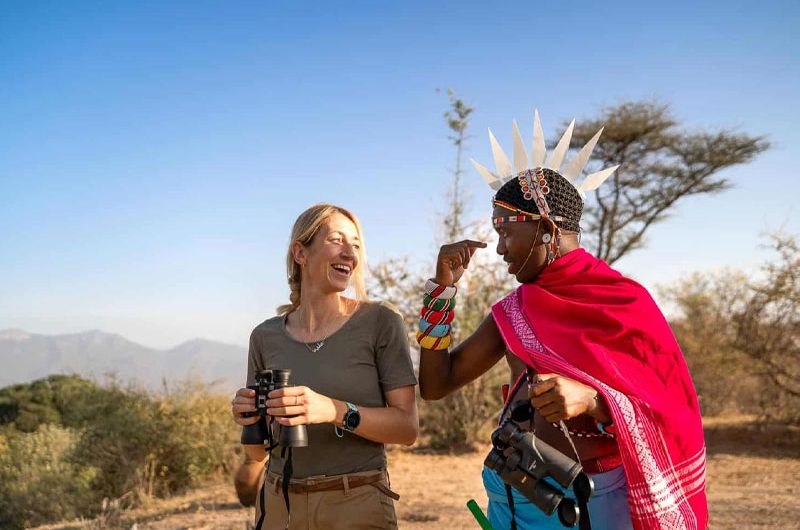
Yes, photography is generally possible during cultural visits in Tanzania and Kenya, but permission, respect, and cultural sensitivity should always come first. Cultural tourism offers travelers an opportunity to connect with communities such as the Maasai, Samburu, Hadzabe, and Datoga, but these encounters should never feel intrusive.
combines cultural experiences with wildlife adventures, including Kenya Wildlife Safaris, Kenya Birding Safaris, Kenya Cultural Safaris, Tanzania Wildlife Safaris, and Tanzania Cultural Safaris. During these journeys, guests are guided on appropriate photography etiquette so they can capture meaningful memories while respecting local traditions.
Understanding Photography Etiquette on Cultural Safaris
The simple rule is: engage first, ask permission second, and photograph third.
Before taking someone’s photograph, ask for their consent. Your safari guide can help communicate with local communities and explain when photography is welcome or when it should be avoided. This is particularly important during ceremonies, private family gatherings, spiritual practices, or other sensitive occasions.
Respectful photography helps build trust between visitors and host communities. It also makes cultural encounters more authentic because the focus remains on genuine interaction rather than simply taking pictures.
Photography During Cultural Visits in Kenya
During Kenya Safaris, travelers may visit Maasai, Samburu, or Turkana communities and experience traditional dances, beadwork, livestock activities, storytelling, and other aspects of everyday life.
Photography may be welcomed during organized cultural activities, but visitors should always request permission before photographing individuals. Some activities may have restrictions, particularly private ceremonies, mourning periods, sacred practices, or family moments.
A responsible approach to photography during Kenya Cultural Safaris is:
- Ask before photographing people.
- Follow your guide’s instructions.
- Respect requests not to be photographed.
- Avoid photographing sacred or private activities.
- Don’t interrupt ceremonies or demonstrations for a picture.
- Consider interacting with the community before reaching for your camera.
Guests combining cultural experiences with Kenya Wildlife Safaris can enjoy photographing both wildlife and cultural landscapes, from elephants around Amboseli to the communities surrounding the Maasai Mara.
Photography During Cultural Visits in Tanzania
Tanzania Safaris provide opportunities to meet communities such as the Hadzabe and Datoga, particularly around the Lake Eyasi area. Visitors may witness activities such as hunting demonstrations, fire-making, traditional dancing, and Datoga metalworking.
Photography during these experiences should still be based on consent. A guide can explain which activities are appropriate to photograph and help bridge language or cultural differences.
For Tanzania Cultural Safaris, photography opportunities may also include traditional markets, crafts, dances, coffee-growing communities, and village life. These experiences can complement wildlife-focused itineraries and Tanzania Great Migration trips, allowing travelers to experience both the natural and cultural heritage of the region.
What Should You Avoid Photographing?
Even when photography is generally permitted, certain situations deserve additional sensitivity. Avoid taking photographs of:
- Private family moments without permission.
- Sacred or spiritual ceremonies unless explicitly permitted.
- Mourning or funeral activities.
- Children without appropriate consent.
- People who have clearly indicated they do not want to be photographed.
- Activities where your guide has specifically asked guests to put their cameras away.
Remember that a memorable photograph is never more important than someone’s privacy or dignity.
What to Expect on a Cultural Photography Experience
Cultural visits can provide many opportunities for photography, including traditional clothing, beadwork, cooking, crafts, music, dancing, livestock, landscapes, and everyday activities.
However, the most rewarding cultural experiences are not necessarily the ones where you take the most photographs. Taking time to listen, participate, and learn about a community can give the images you eventually capture much greater meaning.
Travelers on Kenya Birding Safaris or Tanzania Wildlife Safaris can also combine wildlife photography with cultural experiences, creating a broader visual story of East Africa’s people, landscapes, and wildlife.
How to Reach Cultural Photography Destinations
Nairobi is an important gateway for Kenya Safaris, with access to cultural communities and wildlife destinations around areas such as Amboseli, Maasai Mara, and Samburu.
In Tanzania, Arusha and Kilimanjaro International Airport provide convenient access to safari destinations and cultural areas, including the Lake Eyasi region and communities near the Ngorongoro area.
A safari operator can coordinate transportation, accommodation, local guides, translators, and cultural-entry arrangements, allowing travelers to concentrate on the experience rather than the logistics.
Best Time for Cultural Visits and Photography
Cultural experiences can generally be incorporated into East African safaris throughout the year. For travelers who also want favorable conditions for wildlife viewing and road travel, the commonly preferred periods include:
- Kenya: June to October and December to March
- Tanzania: June to October and December to February
Travelers visiting during the Kenya Great Migration or Tanzania Great Migration can also combine wildlife viewing with cultural experiences.
Why Choose Amakula African Safaris?
Amakula African Safaris focuses on combining wildlife, cultural, birding, and migration experiences into personalized East African journeys. Its itineraries can include:
- Kenya Cultural Safaris
- Tanzania Cultural Safaris
- Kenya Wildlife Safaris
- Tanzania Wildlife Safaris
- Kenya Birding Safaris
- Great Migration experiences
- Optional Uganda Gorilla Trekking extensions
The key advantage of having knowledgeable local guides is that they can explain cultural expectations and help travelers understand when photography is appropriate.