
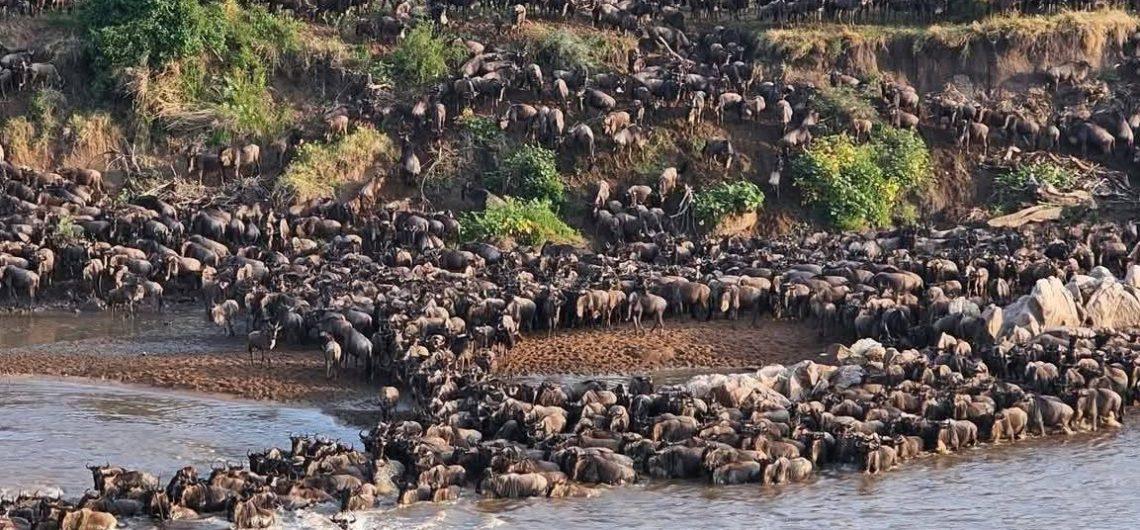
The Serengeti Great Migration is one of Africa’s most spectacular wildlife experiences, attracting travelers who want to witness vast herds of wildebeest, zebras, and gazelles moving across the plains in search of fresh grazing. But can you see the Great Migration in the Serengeti year-round?
Yes—but the experience changes significantly throughout the year. The migration is a continuous natural cycle rather than a single event that happens in one location. Depending on the month, travelers may see calving herds in the southern Serengeti, massive concentrations of wildebeest moving through the central plains, or dramatic river crossings farther north. This makes the Serengeti a compelling destination in every season.
With carefully planned Tanzania Wildlife Safaris, travelers can follow different stages of the migration while also enjoying exceptional game viewing, birding, photography, and cultural experiences.
Understanding the Serengeti Migration Cycle
The wildebeest migration calendar is largely influenced by rainfall, water availability, and the growth of fresh grass. The herds generally spend the beginning of the year in the southern Serengeti and Ndutu area before gradually moving northwest and eventually toward the northern Serengeti and Kenya’s Masai Mara.
The exact timing varies from year to year, so it is important to view migration dates as approximate rather than fixed.
- January–March: The southern Serengeti and Ndutu region are famous for the calving season. Large concentrations of wildebeest gather on the nutrient-rich plains, attracting predators such as lions, cheetahs, and hyenas.
- April–May: The landscape becomes greener following the rains, and herds begin moving north and west. These months can offer excellent wildlife and birding opportunities with comparatively fewer visitors.
- June–July: Herds continue northward, with opportunities to see crossings and concentrations around the Grumeti area depending on conditions.
- August–October: The northern Serengeti and Kenya’s Masai Mara can provide opportunities to witness the famous Mara River crossings, although crossing dates and locations are unpredictable.
- November–December: The herds begin moving back toward the southern Serengeti as short rains stimulate fresh grazing.
Therefore, while you may not see the same migration spectacle every month, Serengeti migration viewing is possible throughout the year.
Kenya’s Masai Mara: A Dramatic Part of the Migration
For travelers planning Kenya Great Migration tours, the Masai Mara is an important destination, particularly during the northern phase of the migration.
The July-to-October period can bring large numbers of wildebeest and zebras into the Masai Mara ecosystem. The Mara River crossings are among the most sought-after wildlife experiences, but they are also highly unpredictable. Herds may gather at a crossing point for hours or days before deciding to cross, and some groups may cross at different locations.
A Kenya safari during this period can also provide excellent opportunities to see the Big Five, including lion, leopard, elephant, buffalo, and rhinoceros. Travelers interested in Kenya Birding Safaris can combine migration viewing with birdwatching across the Mara’s varied habitats.
Cultural experiences can further complement a wildlife itinerary, including responsible visits with Maasai communities and opportunities to learn about local traditions and livelihoods.
Tanzania’s Serengeti: The Heart of the Migration
The Serengeti National Park remains one of the best destinations for experiencing the migration because the ecosystem supports wildlife throughout the year.
A Tanzania safari does not need to coincide with a river crossing to be worthwhile. During January through March, the southern plains can be particularly rewarding for travelers interested in the wildebeest calving season and predator activity. Later in the year, the herds move through different parts of the ecosystem, creating changing opportunities for wildlife viewing.
The Serengeti also offers excellent resident wildlife beyond the migration. Lions, leopards, cheetahs, elephants, giraffes, buffalo, and numerous antelope species can be encountered throughout the year.
For photographers, birders, and travelers who prefer fewer crowds, months outside the peak migration periods can be especially appealing.
Can You Combine Tanzania and Kenya?
Absolutely. One of the best ways to experience the migration is to create a multi-country itinerary covering both Tanzania Safaris and Kenya.
A carefully planned route can include the southern Serengeti during calving season, central or northern Serengeti during the herds’ northward movement, and the Masai Mara during the later part of the migration.
This approach gives travelers a broader understanding of the migration rather than focusing on one specific event. It can also combine the Great Migration with other experiences, including wildlife photography, birdwatching, and cultural excursions.
Cultural Experiences Along the Migration Route
The Great Migration is only part of the East African safari experience. Tanzania Cultural Safaris and Kenya cultural experiences can introduce travelers to communities living around the wildlife areas.
Depending on the itinerary, visitors may have opportunities to learn about Maasai traditions, local crafts, food, music, storytelling, and everyday life. Responsible cultural tourism should prioritize authentic interaction, respect for local customs, and meaningful benefits for host communities.
Combining cultural experiences with wildlife safaris provides a more complete perspective on the landscapes and people of East Africa.
Combining Gorilla Trekking With a Migration Safari
Travelers with additional time can extend their East African adventure beyond the savannah.
A migration safari can be combined with Uganda Gorilla Trekking in destinations such as Bwindi Impenetrable National Park or Mgahinga Gorilla National Park. This creates an extraordinary contrast between the open grasslands of the Serengeti and the forested mountains of Uganda.
Such an itinerary can include wildlife viewing in Tanzania or Kenya followed by gorilla trekking, creating a diverse African journey centered on both iconic mammals and distinctive ecosystems.
Travel Logistics and Access
The Serengeti can be reached through Tanzania’s northern safari circuit, commonly using Arusha or Kilimanjaro as gateways before continuing by road or scheduled safari aircraft.
For the Masai Mara, Nairobi is a major starting point, with travelers able to continue by road or regional flight.
Because migration locations change throughout the year, itinerary planning is particularly important. Choosing the right safari area, accommodation, transfer method, and length of stay can significantly improve the chances of seeing the herds in a favorable location.
Travelers should also check current park regulations, entry requirements, health recommendations, and seasonal conditions before departure.
What to Expect on a Great Migration Safari
A Great Migration safari is not simply about checking a particular event off a list. Much of the experience comes from spending time in the ecosystem and observing natural behavior.
Depending on the season, you might encounter:
- Huge herds of wildebeest and zebra
- Wildebeest calves during the calving season
- Lions, cheetahs, leopards, and hyenas following migrating herds
- Dramatic river crossings
- Large flocks of birds and resident wildlife
- Striking African landscapes and sunsets
- Opportunities for wildlife photography
- Cultural experiences with local communities
Patience is essential, particularly when hoping to see a river crossing. Wildlife follows its own timetable, and no responsible safari operator can guarantee that a crossing will occur at a particular place or time.
Best Time for a Serengeti Safari
There is no single best time for a Serengeti safari because the ideal month depends on what you want to experience.
| Period | Migration Highlights |
|---|---|
| January–March | Calving season and predator activity in the southern Serengeti |
| April–May | Green landscapes, fewer visitors, excellent birding and wildlife |
| June–July | Herd movement toward northern Serengeti and possible Grumeti-area crossings |
| August–October | Northern Serengeti and possible Mara River crossings |
| November–December | Return toward the southern Serengeti and greener landscapes |
The most important point is that migration timing can vary with rainfall and local conditions. Travelers should therefore plan around seasonal patterns rather than expecting an exact annual schedule.
Why Choose Amakula African Safaris?
Amakula African Safaris can design customized East African itineraries around different travel priorities, whether you are interested in the Great Migration safari, wildlife photography, birdwatching, cultural experiences, or combining several destinations.
A tailored itinerary can incorporate Kenya Safaris, Tanzania Safaris, and optional Uganda Gorilla Trekking, depending on your interests and available time. By selecting destinations according to the season, travelers can experience different stages of the migration while enjoying the resident wildlife and landscapes of East Africa.