
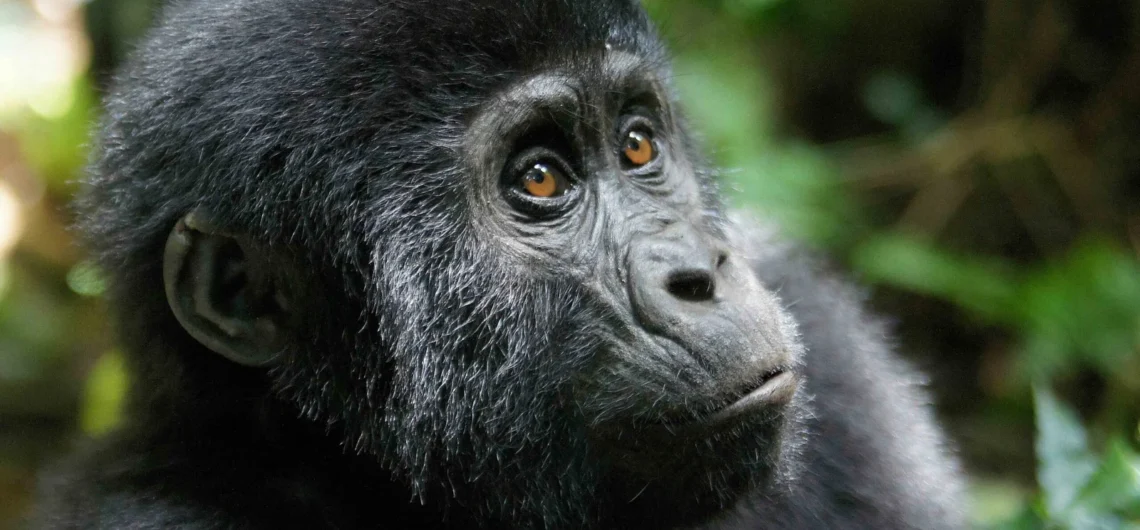
Imagine locking eyes with a massive silverback gorilla. His gaze holds wisdom and calm power that stops you cold. That moment changes how you see the wild forever.
This guide covers everything you need for gorilla safaris. You’ll get tips on planning mountain gorilla trekking trips. It focuses on safe, ethical primate tourism in Africa. Whether you’re new to wildlife adventures or a seasoned traveler, these steps make your journey smooth and rewarding.
Why Gorilla Trekking is a Must-Do Primate Safari
Gorilla safaris stand out from typical African game drives. They offer a raw connection to one of nature’s closest relatives. You won’t find this depth in lion or elephant spotting.
Rarity and Conservation Success Story
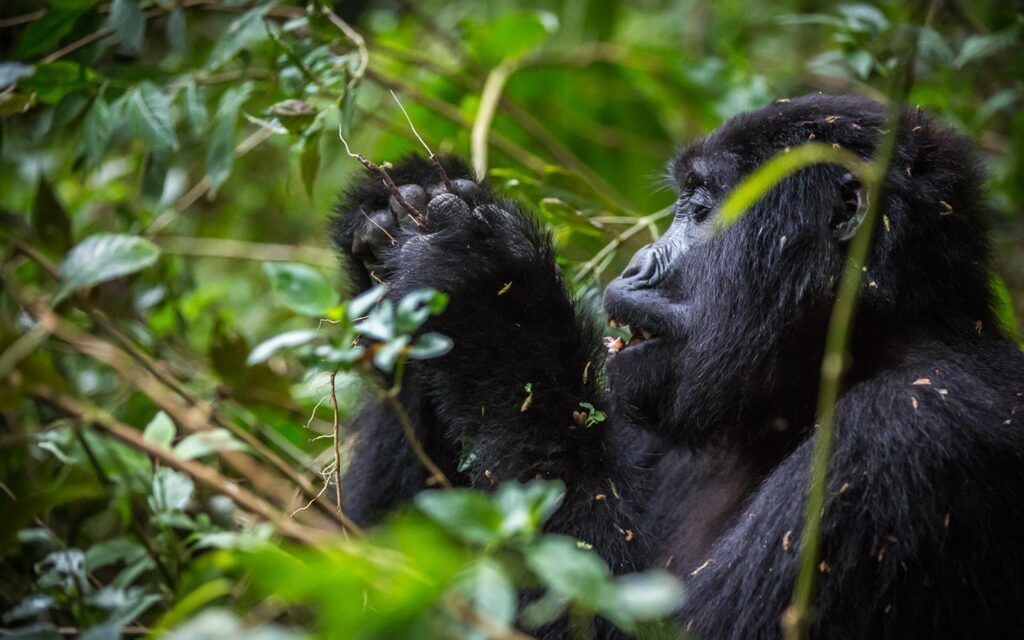
Mountain gorillas once faced extinction. Now, their numbers have grown to about 1,000, thanks to strong protection efforts. The IUCN lists them as endangered, up from critically endangered in 2018.
Tourism plays a key role here. Fees from gorilla trekking tours fund patrols against poachers. They also support local schools and farms. Your trip helps save these apes and boosts nearby villages.
This success draws adventure seekers. Few places let you witness such recovery up close. It’s a win for conservation and your travel bucket list.
The Intimacy of the Encounter
Big Five safaris keep you at a safe distance in a vehicle. Gorilla encounters feel personal. You hike right into their world for a full hour.
Parks limit groups to eight people per family. This setup builds a quiet bond. Watch mothers cradle babies or silverbacks munch leaves. It’s like peeking into a hidden family life.
Such closeness creates lasting memories. Many say it shifts their view on animals. Primate tourism like this beats any zoo visit.
Geographic Exclusivity
Only two spots on Earth host habituated mountain gorillas. The Virunga Massif spans three countries. Bwindi Impenetrable Forest sits in Uganda.
These areas limit access to protect the apes. No other primate safaris match this setup. You must travel here for the real experience.
This exclusivity adds thrill. It means your gorilla safari feels special and rare.
Destination Deep Dive: Where to Find Your Gorillas
Africa’s gorilla habitats cluster in East and Central regions. Each country offers unique paths to these treks. Pick based on your budget and comfort level.
Uganda, Rwanda, and the DRC share the Virunga volcanoes. Bwindi adds another prime site. All promise epic mountain gorilla trekking.
Uganda: The Bwindi and Mgahinga Experience
Bwindi Impenetrable National Park covers dense forests in Uganda’s southwest. It’s home to over half of all mountain gorillas. The park splits into sectors like Buhoma, Rushaga, and Nkuringo for varied hikes.
Start in Buhoma for easier trails near lodges. Rushaga suits those wanting remote vibes. Nkuringo offers views over the plains.
Mgahinga Gorilla National Park sits nearby. It has one habituated group, the Nyakagezi family. This spot lets you trek under volcano peaks.
Uganda feels welcoming for first-timers. Roads from Kampala take about 10 hours, or fly to Kihihi. Permits cost $800, lower than neighbors.
Rwanda: Volcanoes National Park
Volcanoes National Park lies north of Kigali in Rwanda. A short drive from the airport makes it easy to reach. High-end lodges dot the area for luxury stays.
The park features eight habituated gorilla families. Trails range from steep climbs to gentler walks. Sabyinyo and Susa groups challenge fit hikers.
Rwanda shines in organization. English is common, and staff provide top service. But permits run $1,500 each—a premium for the convenience.
Pair your trek with golden monkey tracking here. It’s a quick add-on that rounds out primate tourism.
Democratic Republic of Congo (DRC): Virunga National Park
Virunga National Park hugs the DRC side of the Virungas. It reopens for tourists after tough years of conflict. Now, with better security, gorilla safaris draw bold explorers.
Focus on mountain gorillas in the north. You might spot eastern lowland ones too, though they’re farther. Permits cost $800, like Uganda.
Safety varies by area. Check U.S. State Department alerts before booking. Stick to guided tours in stable zones.
Virunga offers raw adventure. Lake Kivu beaches and active volcanoes add flair. It’s for those okay with some edge.
Planning Your Gorilla Safari: Logistics and Budgeting
A great gorilla trek starts with smart prep. Think permits, fitness, and timing early. These steps turn dreams into reality.
Budget $2,000 to $5,000 per person, excluding flights. That covers permits, lodging, and guides. Save more for Rwanda’s higher fees.
Securing the Essential Gorilla Permits
Permits are your golden ticket. Parks issue a fixed number daily to limit impact. Book through official sites or trusted agents.
In Uganda, grab them for $800 via the Uganda Wildlife Authority. Rwanda charges $1,500 through the Rwanda Development Board. DRC matches Uganda’s price but books via park offices.
Plan 12 to 18 months ahead. Peak months like July and August fill fast. Use operators for bundles that include transfers.
Tip: Confirm your date in writing. Cancellations are rare, but weather can shift plans.
Physical Fitness Requirements and Trek Difficulty
Treks rate moderate for most. Expect 2 to 7 hours of hiking on steep, muddy paths. Elevation can climb 1,000 feet or more.
Build stamina with weekly hikes and cardio. Strong legs and balance help on slippery slopes. Ages 15 and up usually join, but check health rules.
Hire porters for $15 a day. They carry gear and steady you. Rangers lead, so follow their pace.
No super-athletes needed. Just come ready to sweat and enjoy.
Choosing the Right Time to Travel
Dry seasons run June to September and December to February. Trails stay clear, and gorillas linger in open spots. Visibility peaks then.
Wet months from March to May and October to November bring rain. Paths turn slick, but fewer crowds mean better deals. Gorillas huddle in caves, easy to find.
January suits many, with mild weather in 2026. Avoid full moon nights—gorillas rest more. Check park updates for any changes.
The Day of the Trek: From Briefing to Encounter
Your big day begins early. Rise at dawn for coffee and nerves. Excitement builds as you head to the trailhead.
Guides keep things safe and fun. Follow their lead for the best gorilla safari moments.
The Pre-Trek Briefing and Group Allocation
Arrive by 7 a.m. for the park briefing. Rangers explain rules and share gorilla updates. Groups form based on fitness—easy, medium, or hard.
Stay quiet to avoid scaring the apes. Keep 7 meters away. No eating near them.
Your team gets a scout’s report on gorilla location. This sets the hike’s length. Questions? Ask now.
Tracking the Gorillas: Working with the Experts
Rangers and trackers lead the way. They use radio calls to find the family. The forest buzzes with birds and monkey calls.
Hikes twist through vines and bamboo. It might take 30 minutes or hours. Spot fresh nests or dung as clues.
The wait adds suspense. Then, a radio crackle announces: gorillas ahead. Hearts race as you near.
Ethical Guidelines During the One-Hour Encounter
Once there, sit and observe. No flash photos— it spooks them. Hold your camera steady.
Stay back 7 to 10 meters. If a gorilla nears, freeze and look away. Direct stares seem like threats.
Parks enforce these for ape health. Follow to protect the group. Your respect keeps future treks possible.
Time flies in that hour. Silverbacks patrol, juveniles play. It’s pure magic.
Beyond the Trek: Maximizing Your African Wildlife Experience
Don’t stop at gorillas. Build a full itinerary for richer adventures. Blend primate tourism with classic safaris.
This approach saves time and money. You’ll see Africa’s diversity in one trip.
Combining Gorillas with the Big Five
In Uganda, link Bwindi to Queen Elizabeth National Park. Spot lions and hippos just hours away. A three-day extension adds game drives.
Rwanda pairs Volcanoes with Akagera. Zebras and rhinos roam its savannas. Fly between for ease.
DRC’s Virunga connects to Congo River cruises. See elephants and crocs. Tailor for your pace.
These combos make gorilla safaris epic. You get apes and icons in one go.
Community and Cultural Integration
Meet the Batwa people near Bwindi. They once lived in these forests. Now, tours show their dances and stories for $20.
In Rwanda, visit Iby’Iwacu Village. Locals share crafts and meals. It ties your trek to human side of conservation.
These stops support families. Tourism jobs replace old hunting ways. It’s feel-good travel.
Responsible Tour Operator Selection
Pick operators with green creds. Look for Uganda or Rwanda tourism board listings. Ask about porter pay and carbon offsets.
Read reviews on fair treatment. Avoid cheap outfits that cut corners. Reputable ones like African Primate Safaris ensure safe, ethical trips.
Check for small groups and local hires. This choice amplifies your impact. Go with those who give back.
Conclusion: The Lasting Impact of Gorilla Tourism
Gorilla safaris demand permits, fitness prep, and rule-following. Book early, train hard, and respect the wild. These steps unlock profound encounters.
Your trek aids conservation. Funds protect habitats and communities. It’s travel that matters.
Step into the forest. Meet those wise eyes. Help secure a future for mountain gorillas. Your adventure preserves their world for kids someday. Ready to book? Start planning your gorilla trekking trip today.