
Rwanda may be one of Africa’s smallest countries, but it offers some of the most powerful and intimate safari experiences on the continent. Known as the “Land of a Thousand Hills,” it combines dramatic volcanoes, rare primate encounters, and pristine wilderness into one unforgettable journey. Imagine trekking through the misty Virunga Mountains and coming face to face with a silverback gorilla, his family close by—an awe-inspiring moment that sets Rwanda apart from the wide plains of Kenya or the vast herds of Tanzania. What to See in Rwanda on a Safari: Primates, Volcanoes, and Pristine Wilderness truly come to life here.
Rwanda earns its spot on your safari list as the Land of a Thousand Hills. It mixes rare animal meetings with sharp volcanic peaks and a strong recovery tale after tough times. This spot shines for deep trips that give back without harm. You get close wildlife views in small groups, plus funds that help protect nature and locals.
Primates Reign Supreme: The Gorilla Trekking Experience
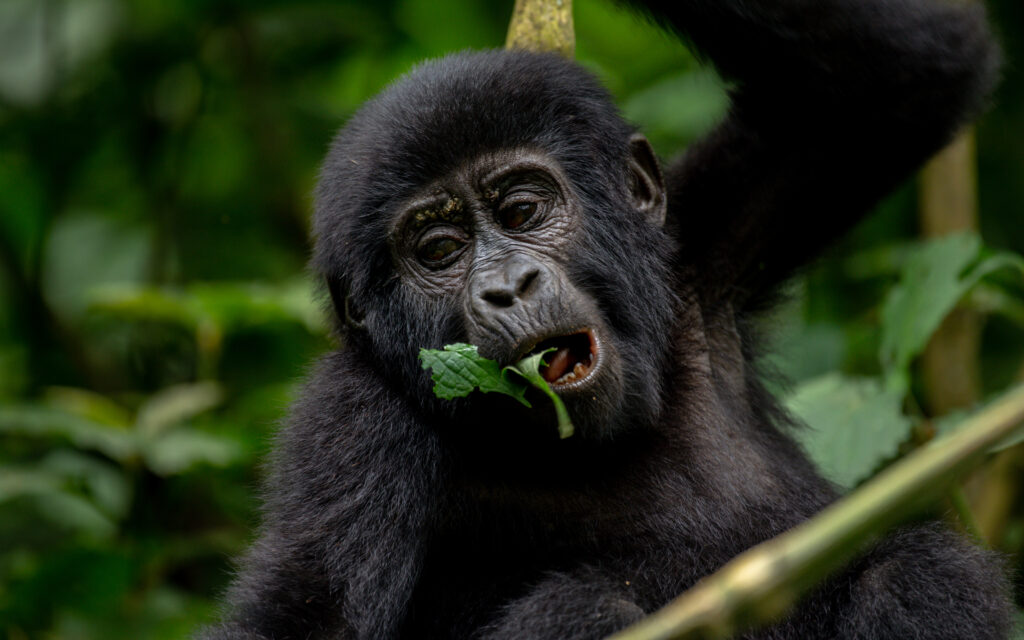
Gorilla trekking draws most folks to Rwanda safaris. The thrill of seeing these gentle giants up close beats many other adventures. Parks limit visitors to keep things safe for animals and people.
Volcanoes National Park: Home of the Mountain Gorilla
Volcanoes National Park sits in the Virunga Massif, a chain of eight volcanoes on Rwanda’s north edge. This lush area covers 39 square miles of rainforest and bamboo. It hosts ten habituated gorilla families you can track.
You need a permit to join a trek. Guides lead small groups of eight at dawn. The hike can last from 30 minutes to eight hours, depending on where the gorillas roam. Expect mud, steep paths, and high altitude—pack good boots and stay fit. Once you find them, you watch for one hour. No touching, just quiet awe as they eat and play.
Conservation here thrives. Rwanda issues only 96 permits a day, so crowds stay low. This setup raised over $20 million last year for park protection and community projects.
Golden Monkey Tracking and Dian Fossey’s Legacy
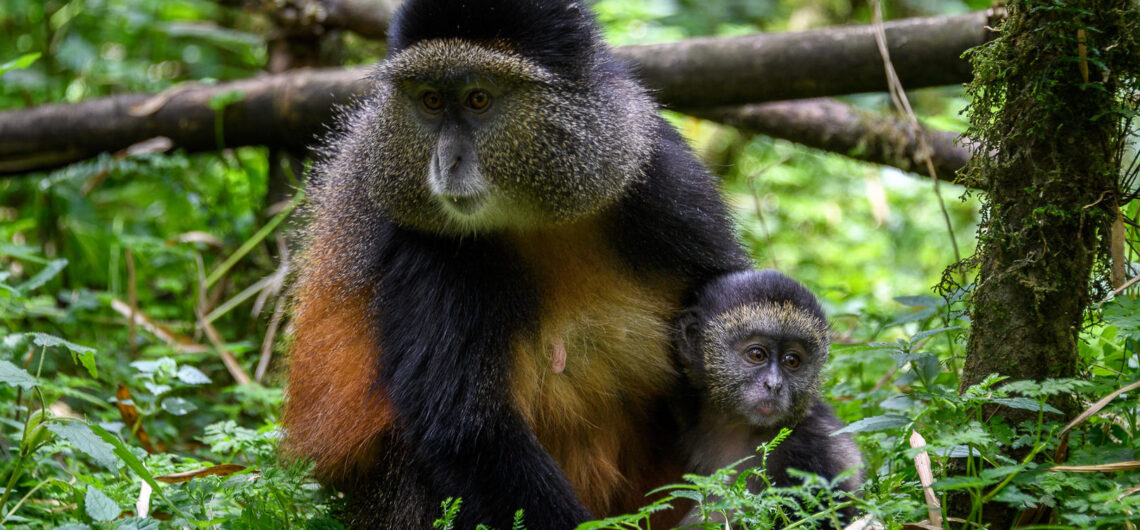
Golden monkeys add another layer to primate fun in Volcanoes National Park. These small, orange-black creatures live in bamboo groves. Their trek proves easier than gorilla hikes—often just an hour or two.
Dian Fossey started her work here in the 1960s at the Karisoke Research Center. She fought poachers and studied gorillas up close. Her book “Gorillas in the Mist” brought world attention. Today, her center runs research and education programs. Efforts cut poaching by 90% since the 1980s.
Track golden monkeys in groups of six. They leap through trees, hard to spot but worth the chase. This experience ties into broader saves for rare primates.
Actionable Tip: Securing Permits and Timing Your Visit
Book gorilla permits months ahead—they sell out fast. Contact the Rwanda Development Board online or through a tour operator. Prices run $1,500 per person, but it funds rangers and anti-poaching.
Visit in dry months from June to September or January to March. Trails dry out, and views clear up. Rainy seasons bring green bursts but slippery paths. Pack rain gear anyway.
Plan your Rwanda safari around these slots. Early booking saves stress and spots.
Beyond the Mist: Diverse Wildlife Safaris in Rwanda
Rwanda safaris go past primates to open plains and deep forests. You find classic game drives here too. Each park brings its own mix of animals and views.
Akagera National Park: The Big Five Comeback Story
Akagera National Park turned around after years of war and farming loss. In the east, it spans 390 square miles of lakes, swamps, and grasslands. Reintroductions brought back lions in 2015 and rhinos in 2017.
Now you spot the Big Five: lions, elephants, buffalo, leopards, and rhinos. Hippos and crocs crowd Lake Ihema. Bird counts hit over 480 species, from fish eagles to pelicans. Conservation added 20% more wildlife since 2010.
Drive through in a jeep at dawn. Zebras and giraffes roam free. Stay in lakeside lodges for night safaris.
Nyungwe Forest National Park: Chimpanzees and Canopy Walks
Nyungwe Forest covers 386 square miles of old rainforest in the south. It’s one of Africa’s largest, with trees over 100 feet tall. Chimp treks happen here, but they move fast—hikes last up to five hours.
Groups of eight track chimps at first light. You hear their calls before sights. Success rates hover at 85%, better in dry weather.
The Canopy Walkway lifts you 200 feet above the forest floor. Cross three bridges for bird and monkey views. Over 300 bird types live here, plus colobus monkeys in black-and-white troops.
Unique Wildlife Sightings and Endemic Species
Rwanda packs in special animals beyond the stars. In Nyungwe, spot l’Hoest’s monkeys—shy ones with red backs. Akagera holds savanna elephants and elusive black rhinos.
Birders love the 1,500 species nationwide. Look for the Albertine Rift endemics, like the handsome francolin. Butterflies and frogs add color too.
- Top birds: Grauer’s rush warbler in Volcanoes.
- Monkeys: Over 12 types, including bamboo-eating ones.
- Others: Forest hogs and duikers in underbrush.
These finds make Rwanda safaris rich for all nature fans.
The Landscape of the Soul: Volcanoes and Lakes
Rwanda’s land shapes your trip as much as animals do. Volcanoes tower high, lakes reflect blue skies. This backdrop turns safaris into full escapes.
Climbing Mount Bisoke or Mount Karisimbi
Near Musanze town, climb Mount Bisoke for a crater lake reward. At 14,793 feet, the hike takes four to six hours up. Paths wind through farmland then forest—moderate fitness works.
Mount Karisimbi tops 14,787 feet, Rwanda’s highest. It demands more gear like crampons for the summit push. Views stretch to Congo and Uganda.
Both treks start early. Guides share plant stories. Bisoke suits most; Karisimbi calls experts.
Lake Kivu: Relaxation and Cultural Immersion
After treks, head to Lake Kivu for calm waters. This 540-square-mile lake borders Congo. Towns like Gisenyi and Kibuye offer beaches and hills.
Kayak or boat to the Coffee Islands. Locals grow beans there—taste fresh brews. Fish markets buzz with tilapia catches.
Sunsets paint the water gold. Stay in eco-lodges with lake views.
Exploring the Virunga Foothills Community
Foothills around Volcanoes hold villages and farms. Visit cooperatives for basket weaving or honey farms. Women lead many groups, earning from crafts.
See bat caves near Musanze—home to thousands of fruit bats. Traditional dances show Intore steps with drums.
These stops link wildlife to people. You learn how tourism helps schools and health centers.
Planning Your Rwandan Safari: Logistics and Essentials
Smart planning makes your Rwanda safari smooth. Cover costs, papers, and green ways. Start early for the best run.
Budgeting for a Rwanda Safari: Permits and Costs
Gorilla permits cost $1,500—that’s the big ticket. It pays for park guards and vet care. Chimp treks run $90, golden monkeys $100.
Lodges vary: luxury like Bisate Lodge hits $1,000/night; mid-range camps $200. Add $500 for internal flights or drives. A week-long trip totals $4,000-$8,000 per person.
Flights from Kigali add up. Eat local—meals cost $10-20.
Entry Requirements and Health Precautions
US citizens get visas on arrival for $50. Check for updates—Yellow Fever shot proves a must from some countries.
Get malaria pills; bugs bite at dusk. Pack DEET and long sleeves. Drink bottled water only.
Rabies risks exist—talk to a doctor pre-trip. Insurance covers evac if needed.
Responsible and Ethical Tourism in Rwanda
Follow rules on treks: no flash photos, keep 7 meters from gorillas. This cuts stress on families.
Support locals—buy direct from artisans. Choose operators that hire Rwandans and fund communities.
Leave no trace. Rwanda’s model shows tourism heals land and lives.
Conclusion: The Enduring Magic of Rwanda
Rwanda balances top wildlife with real conservation wins. Funds from your visit protect gorillas and rebuild habitats. It proves safaris can do good.
From misty peaks to grassy plains and forest depths, variety fills every day. Primates, Big Five, hikes, and lake chills create full stories.
Pack your bags for this safe, welcoming spot. Rwanda safaris change how you see Africa—book now and step into the magic.