
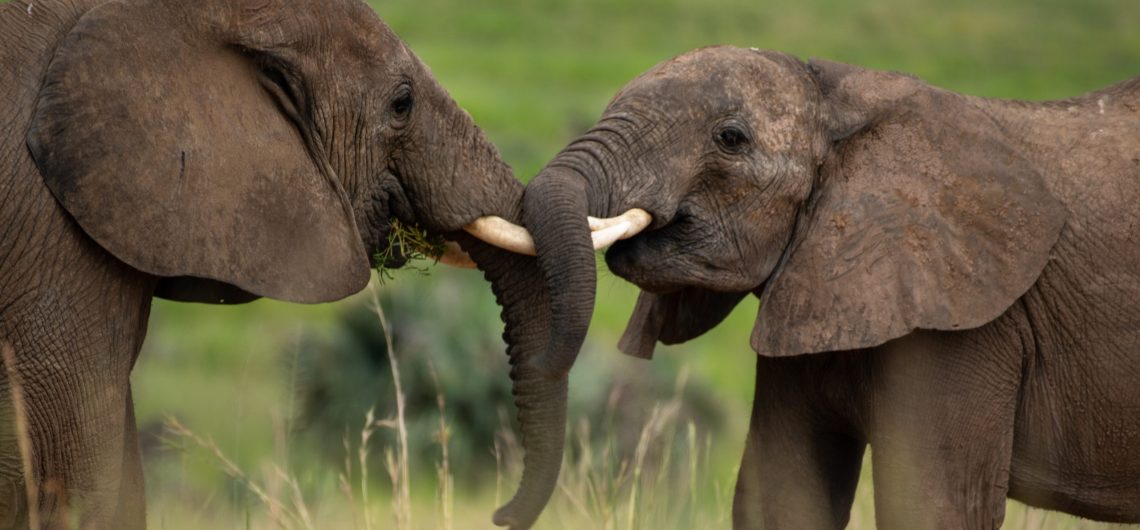
Picture vast golden plains stretching under the shadow of distant mountains, where herds of elephants trumpet at dawn and lions roar through the night. This is Queen Elizabeth National Park, a place where Uganda’s wild heart beats strong. As Uganda’s top spot for safaris, it covers diverse lands from thick forests to open grasslands and shimmering lakes. You will find over 95 mammal species and more than 600 kinds of birds here. This guide shows you the key sights, from big game on the savanna to hidden gems in the forests, so you can plan your trip with clear expectations.
The Iconic Savanna Dwellers: Mammals of the Plains
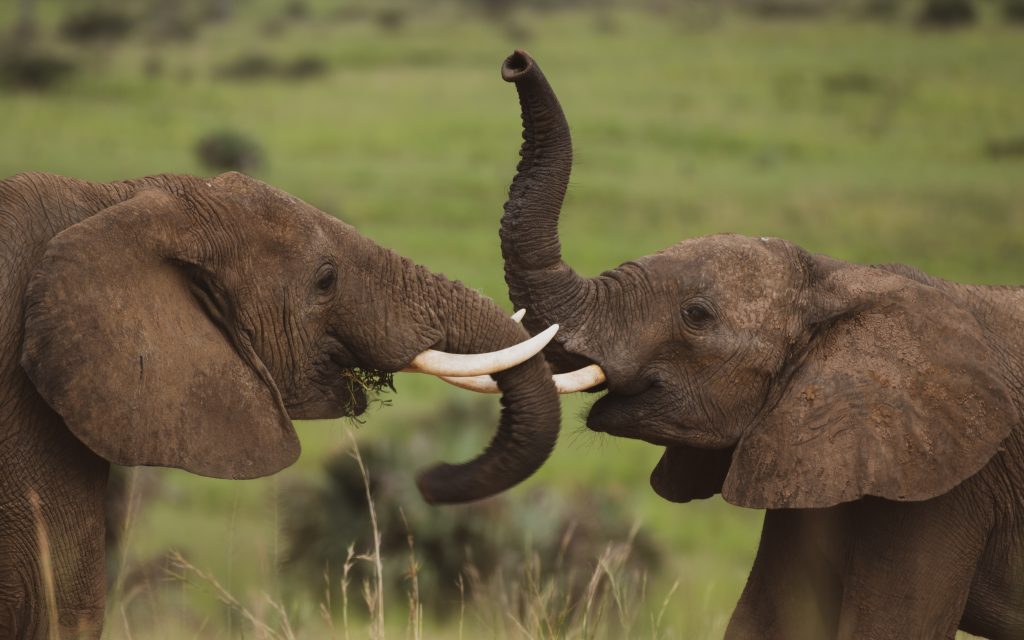
The Kasenyi plains form the heart of Queen Elizabeth National Park’s wildlife action. Game drives here let you spot large animals up close as they roam free. Expect to see groups of herbivores grazing while predators watch from nearby bushes.
The Big Four in Close Quarters
Lions prowl the open grasslands in prides, often resting under acacia trees after a hunt. You stand a good chance of seeing them, especially if you time your drive right. Leopards hide in thicker spots, so patience pays off; they slip out at dusk to stalk prey. Buffalo herds move in dark masses across the plains, their curved horns catching the sun. Elephants lumber through in family units, pulling up grass with their trunks. Watch for lion prides coordinating attacks on buffalo—it’s raw nature at work.
Start your game drives early in the morning or late in the afternoon. That’s when animals stay active and predators hunt. Bring binoculars to scan the horizon from your vehicle.
Uganda Kob: The Park’s Signature Antelope
The Uganda kob stands out with its reddish coat and white throat patches. This antelope lives only in parts of Uganda, and Queen Elizabeth National Park holds one of the biggest groups. Males gather in leks, where they leap and display to attract females—it’s a lively show.
Predators like lions and leopards rely on kob for meals, keeping numbers in check. You might see thousands near the Maramagambo Forest edges during dry spells. Their herds dot the plains like living waves of color.
Smaller Mammals and Grazers
Waterbucks gather near water holes, their shaggy coats marked by white rings around the rump. Topi antelopes speed across the grass in small bands, alert for danger. Giant forest hogs root around in muddy spots, their tusks caked in dirt. Warthogs trot with tails high, grazing on short grass.
Night drives reveal more, like bushbucks slipping through shadows. These animals fill the plains with constant motion. Keep your eyes peeled—they often signal bigger cats nearby.
Climbing the Canopy: The Tree-Climbing Lions of Ishasha Sector
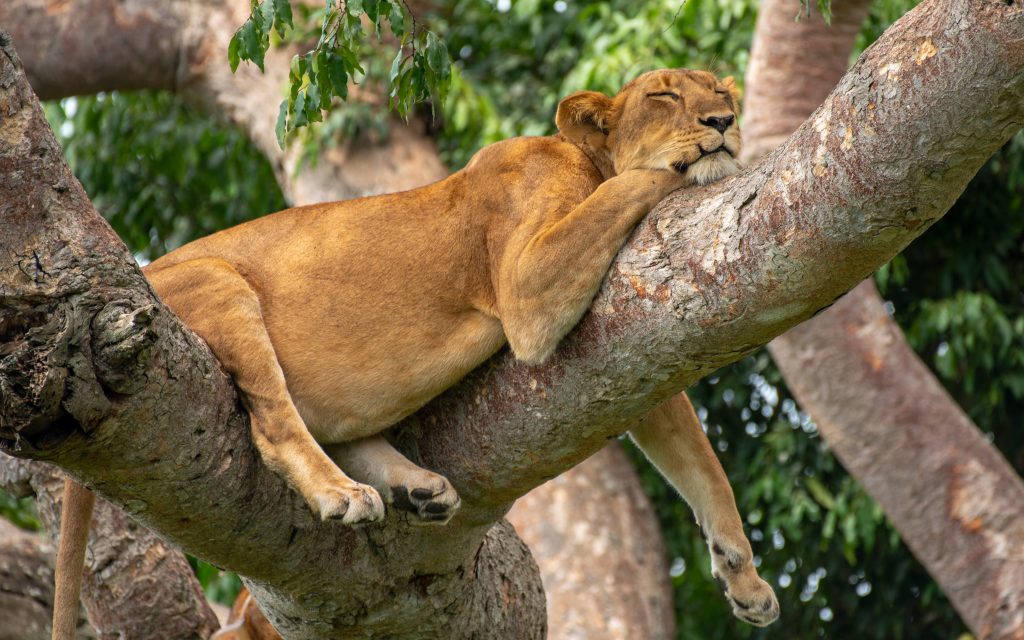
Head south to the Ishasha sector, and the park changes. Here, the flat plains give way to scattered trees and riverine forests. This area draws visitors for one rare sight: lions that climb trees like leopards.
Understanding the Behavior
These lions scale acacia and ficus trees to escape the midday heat. From up high, they spot prey across the open land below. Insects on the ground also push them upward for relief. You won’t find this habit everywhere, but in Ishasha, it’s common. Guides point out prides lounging on branches, tails dangling down. It’s a photo opportunity you won’t forget.
Only a few places in Africa offer reliable views of this. Queen Elizabeth National Park tops the list for tree-climbing lions. Arrive quiet to avoid disturbing them.
Planning Your Ishasha Game Drive
Book a tour focused on Ishasha to boost your odds. Drivers know the prime spots along the Ntungwe River. Go in the dry months when lions stick to shady trees.
Unlike the wide Kasenyi plains, Ishasha feels more intimate with its wooded patches. Expect bumpy roads, but the views make it worth it. Pack water and stay in your vehicle for safety.
Aquatic Wonders: Life on the Kazinga Channel
The Kazinga Channel cuts through the park like a watery highway. A boat cruise here ranks as a must-do activity. You glide close to animals that stay near the water’s edge.
The World’s Densest Concentration of Hippos
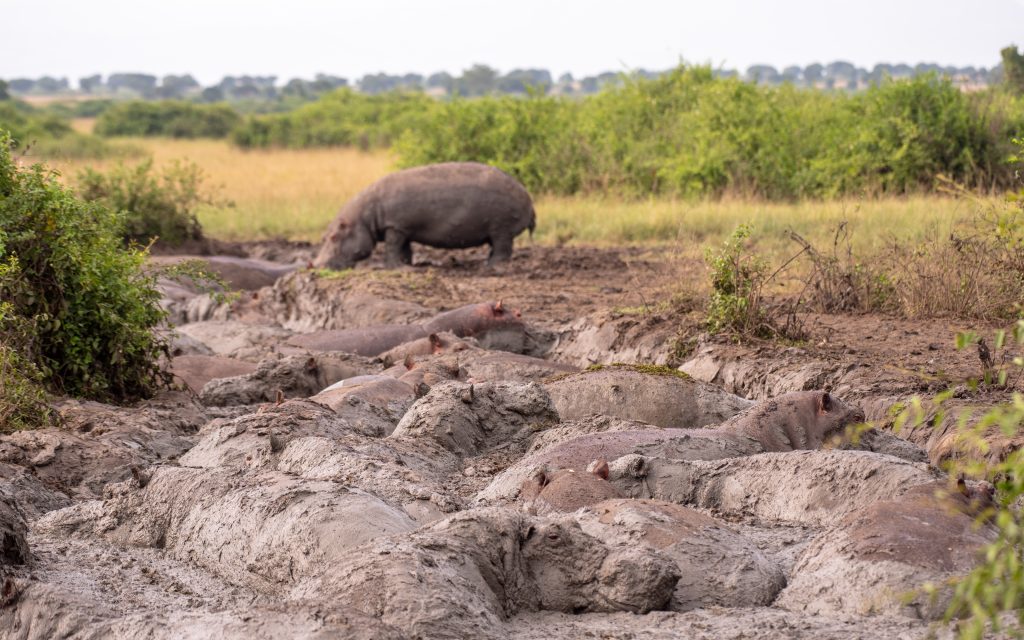
Hippos pack the channel in pods of hundreds. They yawn wide, showing huge teeth as they float in groups. From the boat, you get within yards of these giants without worry. Males grunt to claim territory, creating a chorus over the water. The channel holds one of Africa’s highest hippo counts, around 5,000 in the park overall.
Watch them submerge and pop up again—it’s endless entertainment. Stay alert for sudden splashes.
Spectacular Birdlife Spectacle
Bird watchers flock to the channel for its variety. Shoebills stand still in the reeds, their spoon-shaped bills ready for fish; spot them near the Mweya Peninsula. Kingfishers dart in blue flashes over the water. Cormorants dry wings on branches, and African fish eagles call from perches. Pelicans scoop fish in formation flights.
Queen Elizabeth National Park boasts over 600 bird species total. Bring a field guide to name them all. Mornings bring the most activity.
The River’s Edge Predators and Grazers
Nile crocodiles line the banks, jaws open to cool off. They slide into the water at the sound of the boat. Elephants wade in to drink and spray themselves clean. Buffalo cross the channel in lines, horns glinting.
Other grazers like waterbucks pause at the edge. Predators eye them from afar. The mix creates a living scene right before you.
Exploring Diverse Ecosystems Beyond the Plains
Queen Elizabeth National Park spans more than just grass. Forests and craters add layers to your visit. Each spot offers fresh surprises.
The Kyambura Gorge Chimpanzee Trekking
Deep in the Kyambura Gorge, chimpanzees swing through vines. These habituated troops let you watch them from a distance. Guides lead you down steep paths into the 100-meter-deep rift. Unlike a jeep ride, this trek demands hikes through humid forest. You hear hoots and see them groom each other in the canopy.
Permits sell out fast, so book ahead through park offices. Wear sturdy boots and insect repellent. The effort rewards you with close primate views.
The Kalinzu Forest Reserve Alternative
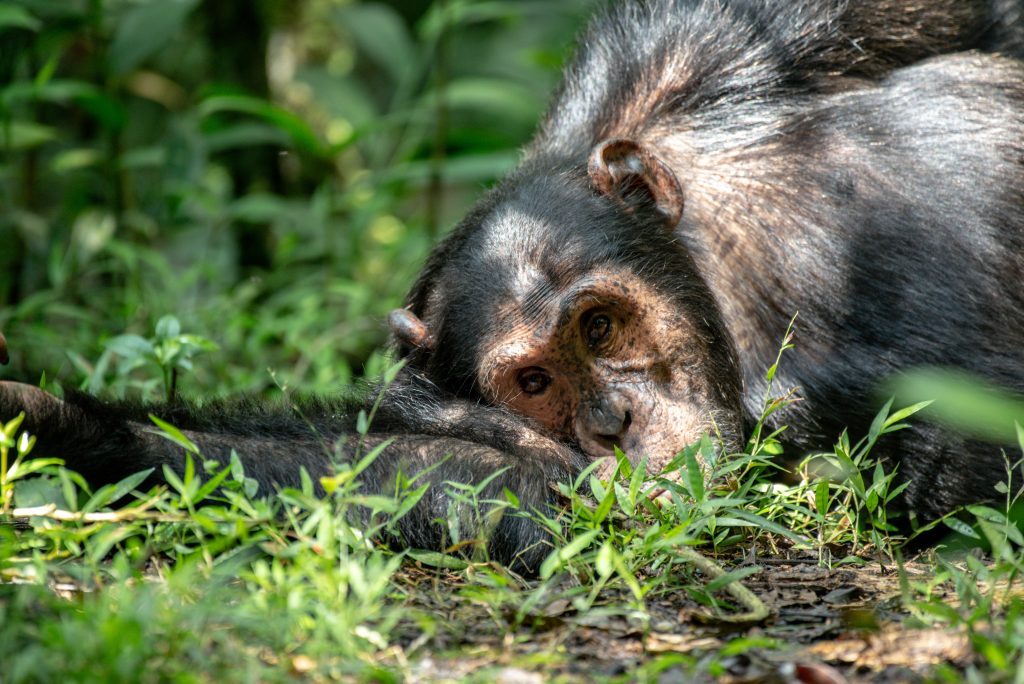
Kalinzu sits near the park’s edge as a quieter chimp spot. Trails here lead to habituated groups with less foot traffic. You track them amid tall hardwoods and hanging vines. It’s perfect if Kyambura feels too busy.
Birds like hornbills join the mix. Guides share chimp family stories. Expect a full morning out.
The Stunning Crater Lakes Landscape
Volcanic craters dot the northwest, forming pretty lakes. Katwe Crater gleams with salt flats where people harvest. In wet seasons, flamingos tint Lake Bunyampaka pink. Drive loops around these for panoramic stops.
The lakes draw birds and monkeys to their shores. It’s a calm break from animal chases. Sunsets here paint the water gold.
Practical Expectations for Your QENP Safari
Plan ahead to make the most of Queen Elizabeth National Park. Roads connect key areas, but conditions vary. Entry fees cover basics like game drives.
Accommodation and Accessibility
Camping sites offer basic tents under stars, while lodges provide comfy beds with views. Mweya Safari Lodge sits central for easy access. Budget options cluster near the gate. Luxury spots like Kyambura Gorge Lodge blend into the wild.
The park measures about 1,944 square kilometers, so drives take time. Rent a 4×4 for rough tracks. Most visitors fly into Kasese Airport, then transfer.
Best Times to Visit and Safari Types
Dry seasons from June to September and December to February cut down on rain for better roads. Wet months bring green vistas and fewer people. Mornings suit predator hunts; afternoons catch grazers at water.
Full-day drives cover more ground with lunch stops. Night options reveal owls and hyenas. Tailor your choice to energy levels.
Conclusion: Your Unforgettable Ugandan Adventure
Queen Elizabeth National Park shines with its Kazinga Channel hippos and Ishasha tree lions—sights that set it apart. You get predator thrills on the plains plus chimp treks in the gorge. The mix of water, forest, and crater views creates full days of wonder.