
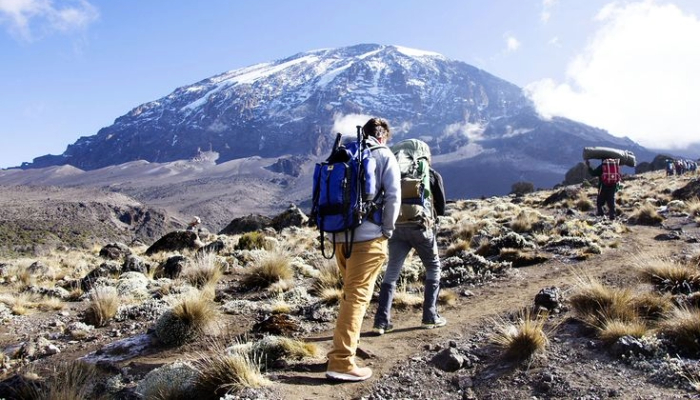
One of the most common questions travelers ask when planning Kenya Safaris or Tanzania Safaris is: How fit do I need to be for a hiking safari? The good news is that you do not need to be an elite athlete to enjoy a hiking safari in East Africa.
Fitness requirements depend largely on the route, terrain, walking distance, altitude, and pace of the safari. From gentle nature walks and scenic viewpoints to challenging mountain treks, hiking safaris in Kenya and Tanzania can accommodate a wide range of fitness levels when planned with experienced professional guides.
For travelers interested in wildlife, birdwatching, and cultural experiences, walking provides a more intimate way to explore the landscapes. With appropriate preparation, hiking safaris for beginners and experienced trekkers alike can be rewarding, safe, and enjoyable.
Safari Overview – Fitness Considerations for Hiking Safaris
A hiking safari differs from a traditional game drive because much of the experience takes place on foot. Instead of viewing wildlife exclusively from a vehicle, travelers can explore trails, forests, savannahs, hills, and scenic viewpoints at a slower pace.
In Kenya, walking experiences may take place around areas such as the Maasai Mara, Aberdare region, and Mount Kenya. In Tanzania, walking safaris can be incorporated into experiences around the Serengeti, Ngorongoro Conservation Area, and Tarangire.
The level of physical fitness required varies considerably. A short, relatively flat nature walk may require only basic walking stamina, while a high-altitude trek or steep mountain route requires significantly greater hiking endurance and preparation.
Professional guides can help select routes according to travelers’ abilities, weather conditions, terrain, and wildlife considerations. This makes it possible to design a safari that balances adventure with comfort.
Kenya Hiking Safaris – Exploring Landscapes and Wildlife on Foot
Kenya hiking safaris range from gentle walks through scenic landscapes to demanding treks in mountainous environments. Travelers may encounter uneven trails, rocky sections, forest paths, streams, and changes in elevation.
Walking through Kenya’s landscapes offers a different perspective from vehicle-based Kenya Wildlife Safaris. Moving at a slower pace allows visitors to appreciate plants, insects, animal tracks, geological features, and birdlife that can easily be overlooked from a vehicle.
For birdwatchers, walking can be particularly rewarding. Kenya Birding Safaris can incorporate forest and wetland walks where travelers have opportunities to observe different bird species in their natural habitats.
How Difficult Are Hiking Safaris in Kenya?
The difficulty depends on the itinerary. A leisurely nature walk may be suitable for travelers with average fitness, while longer or steeper hikes require better cardiovascular fitness and endurance.
Travelers should be comfortable walking for several hours and navigating uneven ground if their itinerary includes more demanding trails. Anyone planning a mountain trek should discuss the expected elevation gain, distance, and altitude with their safari operator before departure.
Guides can also adjust the pace, incorporate rest stops, and select alternative routes when appropriate.
Tanzania Hiking Safaris – Walking Through Iconic Parks
Tanzania hiking safaris provide opportunities to experience some of East Africa’s most famous landscapes on foot. Walking experiences can complement Tanzania Wildlife Safaris, giving visitors the opportunity to explore areas around the Serengeti, Ngorongoro, and Tarangire.
Walking routes vary from relatively easy nature walks to more physically demanding hikes involving steep terrain or altitude changes.
Hiking and the Great Migration
Travelers visiting during the Tanzania Great Migration can combine wildlife viewing with walking experiences where appropriate. Walking through the landscape provides an opportunity to appreciate the scale of the ecosystem while learning about animal tracks, vegetation, geology, and wildlife behavior from experienced guides.
Because wildlife encounters on foot require careful planning, walking routes should always be conducted with qualified guides who understand local conditions and animal behavior.
Hiking Around Ngorongoro
The Ngorongoro Conservation Area offers a variety of landscapes and walking opportunities. Some routes are relatively gentle, while others involve steeper sections and changes in elevation.
This is why there is no single answer to the question, What fitness level is needed for a Tanzania hiking safari? The answer depends on the specific route selected.
What Fitness Level Is Needed for a Hiking Safari?
For most moderate walking safaris, basic cardiovascular fitness, stamina, balance, and agility are helpful. You should generally be comfortable walking continuously for a reasonable period and handling uneven terrain.
A simple guide is:
- Easy walks: Suitable for most reasonably active adults and may involve short distances on relatively gentle terrain.
- Moderate hikes: Require good walking stamina and the ability to manage uneven or occasionally steep trails.
- Strenuous treks: Require stronger cardiovascular fitness, endurance, and preparation for elevation gain or altitude.
- Mountain trekking: Requires more specific training and preparation, particularly where high altitude, long distances, or significant elevation changes are involved.
The important point is that fitness for hiking safari is not measured only by how fast you can walk. Endurance, balance, confidence on uneven terrain, and your ability to maintain a steady pace are often more important.
How to Prepare Physically for a Hiking Safari
You do not necessarily need months of intense training. However, beginning your preparation several weeks before your trip can make hiking more comfortable and enjoyable.
1. Build Walking Stamina
Walking is one of the best ways to prepare for a hiking safari. Gradually increase the duration and distance of your walks, particularly if you normally have a sedentary lifestyle.
Whenever possible, include hills or uneven terrain so your body becomes accustomed to changing surfaces.
2. Improve Cardiovascular Fitness
Activities such as brisk walking, jogging, cycling, or swimming can help improve cardiovascular fitness. The goal is to make sustained physical activity feel comfortable rather than exhausting.
3. Add Light Strength Training
Strengthening your legs and core can help with balance and stability on trails. Exercises such as squats, step-ups, lunges, and controlled calf raises can be useful additions to a preparation routine.
4. Practice on Uneven Ground
Safari trails are not always smooth. Before departure, practice walking on natural surfaces where possible. This can help you become more comfortable with rocks, roots, slopes, and changing terrain.
5. Prepare for Altitude When Necessary
Altitude is an important consideration for certain Kenyan and Tanzanian treks. Routes involving significant elevation require additional planning because altitude can affect people regardless of their general fitness.
If your itinerary involves high-altitude trekking, discuss acclimatization requirements and the expected elevation with your safari operator.
Mental Preparation Is Also Important
Physical fitness is only part of being prepared for a hiking safari. Travelers should also understand that walking in wildlife areas requires awareness and discipline.
Your guide may ask you to remain together, maintain a particular pace, avoid sudden movements, or follow specific instructions when wildlife is nearby. Listening carefully to safety briefings is essential.
Mental preparation also means being comfortable with changing weather, insects, uneven trails, and occasionally longer walks than expected.
Hiking Safaris for Beginners
If you have little hiking experience, you can still enjoy an African walking safari. The key is to choose an itinerary that matches your current fitness level.
Beginners should consider:
- Shorter walking distances.
- Lower-elevation routes.
- Gentle nature walks.
- Regular opportunities for rest.
- Experienced professional guides.
- Flexible itineraries.
- Comfortable accommodation between walking activities.
Rather than trying to complete the most challenging route, focus on choosing an experience that allows you to enjoy the landscape, wildlife, photography, and cultural encounters without unnecessary physical strain.
Birdwatching on Hiking Safaris
Walking is particularly valuable for travelers interested in Kenya Birding Safaris and Tanzania Birding Safaris. Birdwatching often benefits from a slower pace because visitors can stop, listen, and scan vegetation carefully.
A hiking safari can therefore combine trekking fitness, wildlife observation, and birdwatching without requiring strenuous physical activity on every day.
Guides with knowledge of local ecosystems can also explain bird calls, habitats, vegetation, and animal tracks, adding educational value to the walking experience.
Cultural Experiences During Hiking Safaris
Hiking does not have to be limited to wildlife viewing. Kenya Cultural Safaris and Tanzania Cultural Safaris can incorporate opportunities to interact respectfully with local communities.
Depending on the itinerary, travelers may visit Maasai, Samburu, or Chagga communities, learn about traditional lifestyles, explore local crafts, or participate in cultural activities.
These experiences can also provide natural breaks between walking activities, creating a balanced safari that combines physical activity with cultural immersion.
Can Hiking Safaris Be Combined With Uganda Gorilla Trekking?
For travelers looking for a broader East African adventure, hiking safaris can be combined with Uganda Gorilla Trekking.
Gorilla trekking is different from a typical walking safari because forest terrain can be steep, muddy, and unpredictable. Trekking duration and difficulty can also vary considerably.
Travelers considering a multi-country itinerary should therefore discuss their overall fitness, walking experience, and preferred activity level with their safari operator when combining Kenya, Tanzania, and Uganda.
What to Pack for a Hiking Safari
Having appropriate equipment can make walking more comfortable. Depending on the itinerary, useful items may include:
- Comfortable, broken-in hiking shoes or boots.
- Lightweight, breathable clothing.
- A waterproof layer.
- Sun protection and a hat.
- Reusable water bottle or hydration system.
- Small daypack.
- Insect protection.
- Binoculars for birdwatching and wildlife observation.
- Walking poles for appropriate hiking routes.
Your safari operator should provide specific recommendations based on the terrain, season, and duration of your walks.
Logistics – Reaching Hiking Safari Destinations
Kenya Safaris commonly begin in Nairobi, with access to destinations such as the Maasai Mara, Aberdare region, and Mount Kenya by road or domestic flights depending on the itinerary.
Tanzania Safaris frequently begin in Arusha or the Kilimanjaro area before travelers continue toward destinations such as the Serengeti, Ngorongoro, or Tarangire.
Good itinerary planning is important because excessive travel immediately before or after a demanding hike can contribute to fatigue. Scheduling walks during cooler parts of the day and allowing adequate rest can make the overall experience more comfortable.
Why Choose Amakula African Safaris for Hiking Safaris?
Amakula African Safaris can tailor hiking experiences around travelers’ interests, fitness levels, and preferred pace. Whether the goal is a gentle nature walk, a birdwatching experience, a cultural excursion, or a more demanding trek, itinerary planning should take the traveler’s abilities into consideration.
Professional guides provide valuable knowledge of local terrain, wildlife behavior, weather conditions, and walking safety. They can also help travelers understand what to expect before beginning a hike.