
Is the Great Migration Dangerous to Watch Up Close?
Is the Great Migration Dangerous to Watch Up Close? The answer is that it can be dangerous if proper safety guidelines are ignored. Fortunately, visitors on professionally guided Kenya Safaris and Tanzania Safaris can safely witness this extraordinary natural spectacle while enjoying exceptional wildlife viewing. The Kenya Great Migration and Tanzania Great Migration feature millions of wildebeest, zebras, and gazelles moving across the Serengeti and Maasai Mara ecosystems, closely followed by lions, cheetahs, leopards, hyenas, and crocodiles. Amakula African Safaris ensures every journey combines adventure with expert safety measures, allowing guests to experience the migration up close while minimizing unnecessary risks.
Whether you choose Kenya Wildlife Safaris, Tanzania Wildlife Safaris, Kenya Birding Safaris, or combine your adventure with Uganda Gorilla Trekking, professional safari guides provide comprehensive safety briefings before every game drive. Guests learn about Great Migration safari safety, wildlife viewing etiquette, and the importance of remaining inside safari vehicles while observing animals. With experienced guides, carefully planned routes, and secure viewing locations, travelers can experience the migration confidently while capturing remarkable wildlife photographs.
Understanding Great Migration Safari Safety
Many visitors assume that because safari vehicles often get remarkably close to wildlife, the experience is inherently dangerous. In reality, wildlife has become accustomed to properly operated safari vehicles and generally does not view them as threats. The greatest risks occur when visitors ignore guide instructions, attempt to leave vehicles in wildlife areas, or make loud movements that disturb animals.
Amakula African Safaris prioritizes Great Migration wildlife safety tips throughout every safari. Guides continuously monitor animal behavior, maintain appropriate viewing distances, and reposition vehicles whenever wildlife activity becomes unpredictable. This professional approach enables guests to enjoy watching the Great Migration safely while minimizing risks to both visitors and wildlife.
How Close Can You Get to the Great Migration?
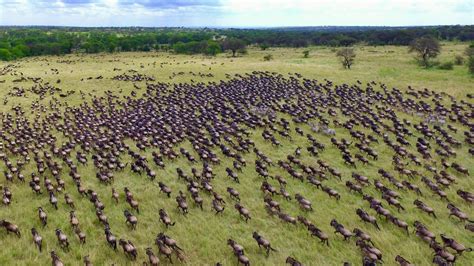
One of the most frequently asked questions is how close can you get to the Great Migration. During guided game drives, safari vehicles often approach wildlife at safe and legally permitted distances, offering exceptional viewing opportunities without interfering with natural animal behavior.
Maintaining a safe distance during the Great Migration is essential because predators may suddenly begin hunting, elephants can react defensively, and large wildebeest herds can move rapidly. Experienced guides understand these behavioral patterns and always position vehicles where visitors can observe safely while enjoying excellent photographic opportunities.
River Crossings: The Most Dramatic Yet Safest Viewing Experience
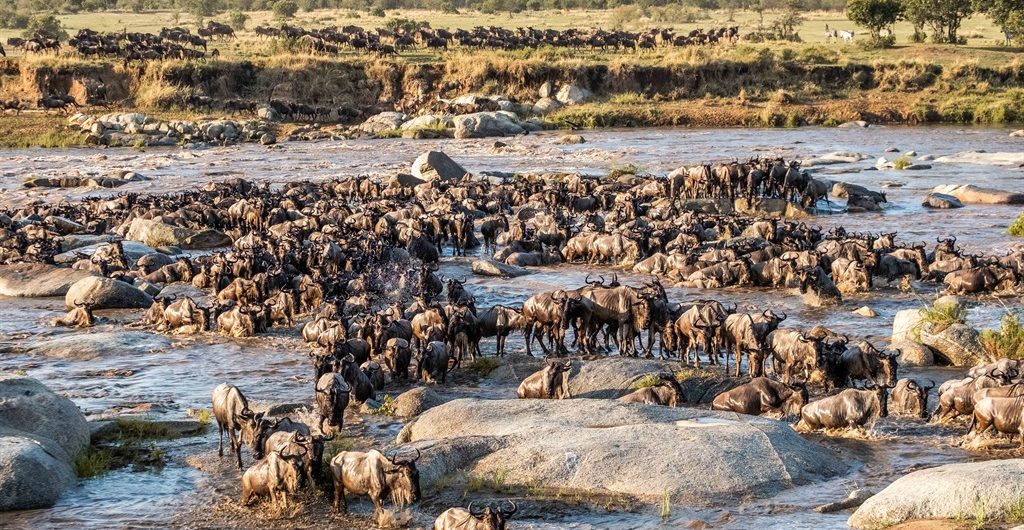
The famous Mara and Grumeti River crossings are among the most spectacular events of the migration. Thousands of wildebeest leap into crocodile-filled rivers while predators wait nearby, creating one of nature’s most dramatic wildlife spectacles.
Although these crossings appear dangerous, visitors remain secure because professional guides position safari vehicles on elevated riverbanks or designated viewing areas. Guests are never exposed to direct danger while observing crocodile attacks, predator interactions, or mass wildebeest crossings. Understanding Great Migration game drive safety allows travelers to witness these unforgettable moments with confidence.
Predator Sightings During the Great Migration
The migration attracts some of Africa’s largest predator populations. Lions, leopards, cheetahs, hyenas, and crocodiles closely follow migrating herds in search of prey.
Many travelers wonder whether predator sightings are dangerous during the Great Migration. Under normal safari conditions, the answer is no. Professional guides maintain constant awareness of predator behavior, ensuring vehicles remain in secure locations throughout every wildlife encounter. Visitors should always remain seated, avoid sudden movements, keep noise levels low, and follow all guide instructions.
Wildlife Safety Tips Every Traveler Should Follow
Following basic safari etiquette significantly improves both safety and wildlife viewing experiences.
- Always remain inside your safari vehicle unless your guide specifically permits otherwise.
- Follow all instructions provided by professional safari guides.
- Avoid feeding or attempting to attract wildlife.
- Keep conversations quiet during close wildlife encounters.
- Never attempt to approach animals for photographs.
- Wear neutral-colored clothing that blends with the environment.
- Respect park regulations and designated viewing areas.
- Allow animals to move naturally without blocking their paths.
These simple practices make African safari safety during the Great Migration both effective and enjoyable.
Kenya Great Migration: Safe Viewing in the Maasai Mara
The Maasai Mara offers some of the world’s finest opportunities to observe the Kenya Great Migration. Massive herds enter from Tanzania between July and October, creating extraordinary wildlife encounters across the reserve.
Amakula African Safaris carefully plans Kenya Wildlife Safaris using experienced local guides who understand seasonal wildlife movements. Guests safely witness river crossings, predator hunts, and large grazing herds while enjoying comfortable game drives. Travelers can also enrich their safari with Kenya Birding Safaris, where vultures, eagles, storks, and migratory birds thrive alongside the migration.
For a deeper cultural experience, visitors can participate in Kenya Cultural Safaris, meeting Maasai communities, learning traditional customs, and exploring authentic village life while maintaining respectful and safe interactions.
Tanzania Great Migration: Safe Adventures in the Serengeti
The Tanzania Great Migration provides equally remarkable wildlife experiences across the vast Serengeti ecosystem. Depending on the season, visitors witness calving, predator activity, or long-distance herd movements.
Professional safari guides carefully select the safest viewing locations while maximizing wildlife encounters. Tanzania Wildlife Safaris combine exciting game drives with educational interpretation of animal behavior, ensuring visitors understand both the beauty and ecological significance of the migration.
Bird enthusiasts also enjoy outstanding Tanzania Birding Safaris, where raptors, storks, secretary birds, and many migratory species gather around the migration. Travelers seeking cultural immersion can include Tanzania Cultural Safaris, visiting Maasai villages and learning about local traditions that have coexisted with wildlife for generations.
Family-Friendly Great Migration Safaris
Many families ask whether the Great Migration is suitable for children. The answer is yes, provided families choose professionally guided safaris with age-appropriate itineraries.
Experienced guides understand how to position vehicles for comfortable wildlife viewing while maintaining safety for younger travelers. Family safaris emphasize education, conservation, and responsible wildlife viewing, making the migration an unforgettable learning experience for all ages.
Why Choose Amakula African Safaris?
Amakula African Safaris combines extensive regional knowledge with a strong commitment to safety, conservation, and exceptional guest experiences. Every itinerary is carefully designed to provide unforgettable wildlife encounters while adhering to the highest safari safety standards.