The Great Migration can be experienced in the Serengeti throughout the year, but each season offers a different wildlife spectacle. Discover the best months for calving, herd movements, river crossings, and unforgettable Tanzania and Kenya safaris.
The Great Migration can be experienced in the Serengeti throughout the year, but each season offers a different wildlife spectacle. Discover the best months for calving, herd movements, river crossings, and unforgettable Tanzania and Kenya safaris.
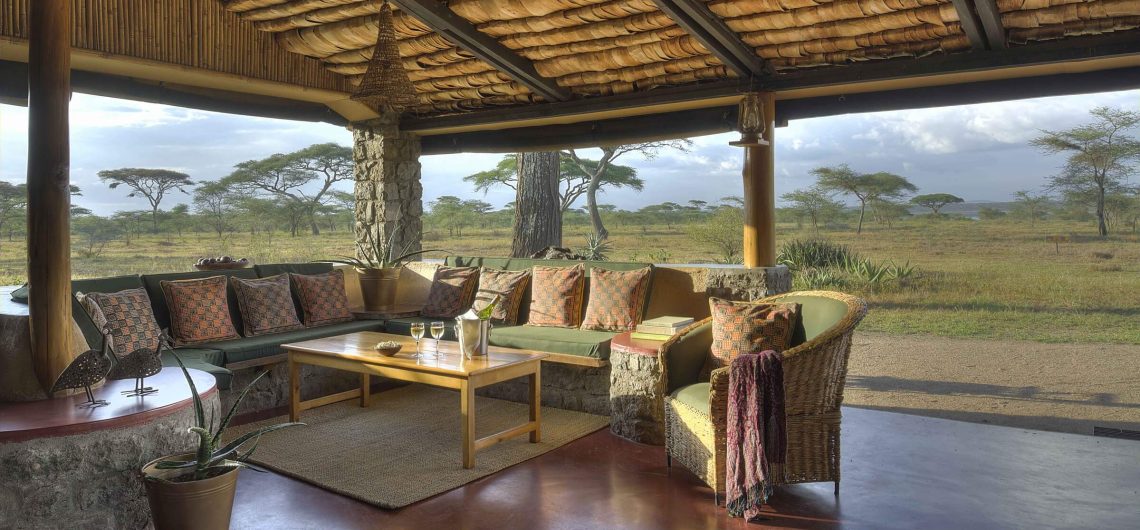
Planning a Kenya and Tanzania Great Migration safari? Learn why booking migration lodges six to twelve months in advance can help secure the best accommodation, locations, and safari experiences during peak migration season.
Planning a Kenya and Tanzania Great Migration safari? Learn why booking migration lodges six to twelve months in advance can help secure the best accommodation, locations, and safari experiences during peak migration season.
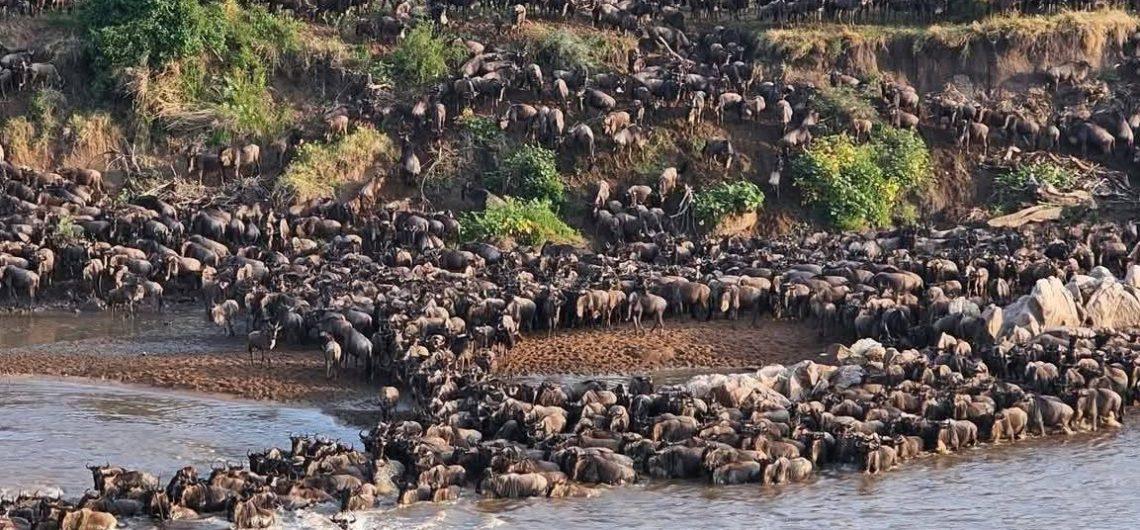
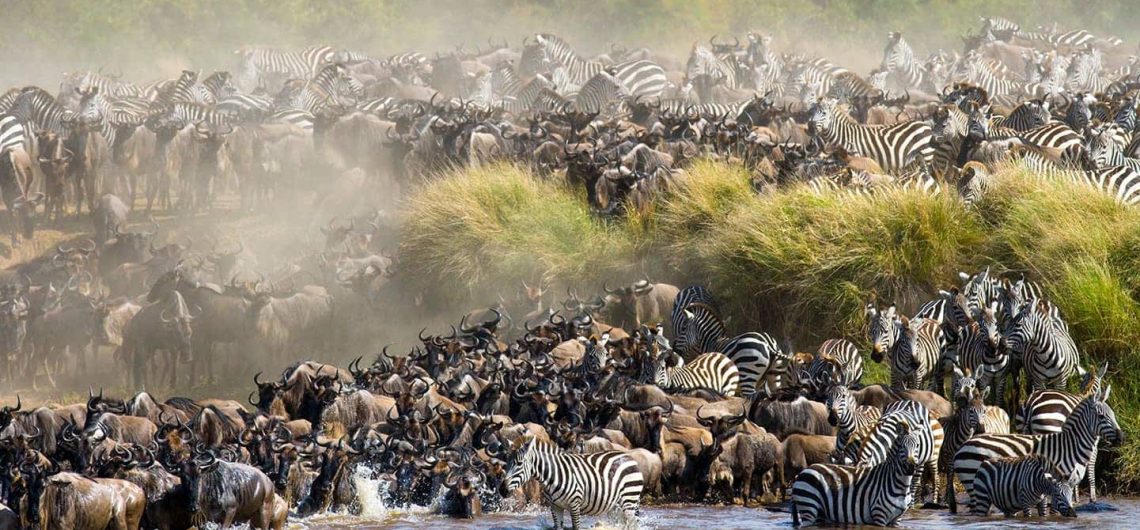
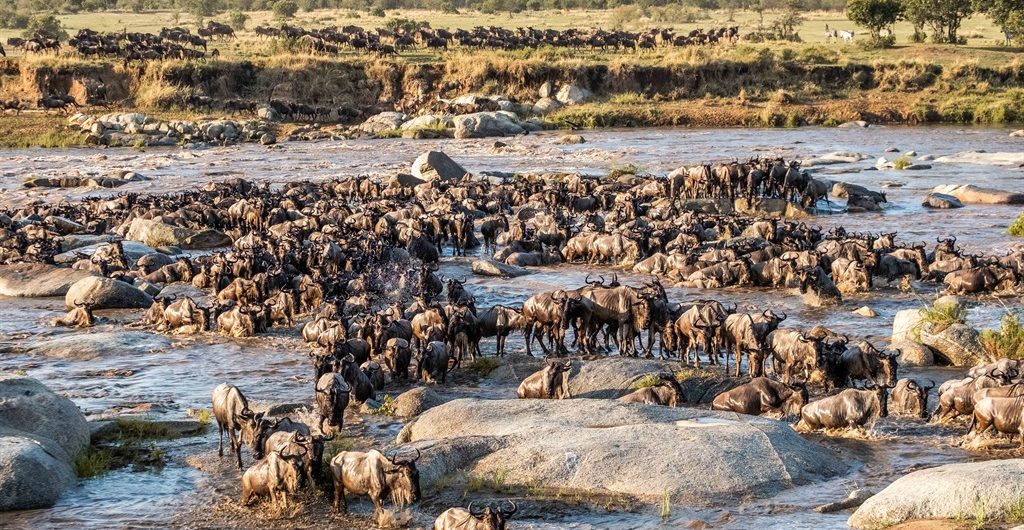
The Mara River crossings are among the most dramatic moments of the Great Wildebeest Migration, attracting wildlife enthusiasts from around the world who travel on Kenya Safaris and Tanzania Safaris. Watching thousands of wildebeest, zebra, and other animals gather along the riverbanks before plunging into the water is an unforgettable safari experience. One of the most common questions travelers ask is: How long does a Mara River crossing last? There is no fixed answer. An individual crossing can last anywhere from a few minutes to more than two hours, depending on the size of the herd, river conditions, weather, and the animals' behavior. When multiple groups cross at different points throughout the day, the overall spectacle can continue for several hours or even recur over several days. For travelers planning Kenya Wildlife Safaris, Tanzania Wildlife Safaris, or a combined East African adventure, understanding the timing and duration of the crossings can make it easier to plan a rewarding safari. Understanding the Mara River Crossing Duration The Mara River crossings form part of the annual Great Wildebeest Migration, when enormous herds move between Tanzania's Serengeti ecosystem and Kenya's Maasai Mara. A single group may cross the river relatively quickly, sometimes taking only 15 to 30 minutes. Larger groups can take an hour or more, particularly when animals hesitate at the riverbank, encounter strong currents, or move in waves. The crossing itself, however, is only part of the experience. Herds may gather on the riverbank for hours before committing to the water. After one group crosses, another may follow later, creating repeated Mara River crossings throughout the day. This means a safari vehicle may spend several hours in the area waiting for the right moment. Patience is essential because there is no guaranteed schedule for when wildebeest will enter the river. What
The Mara River crossings are among the most dramatic moments of the Great Wildebeest Migration, attracting wildlife enthusiasts from around the world who travel on
Is the Great Migration Dangerous to Watch Up Close? Is the Great Migration Dangerous to Watch Up Close? The answer is that it can be dangerous if proper safety guidelines are ignored. Fortunately, visitors on professionally guided Kenya Safaris and Tanzania Safaris can safely witness this extraordinary natural spectacle while enjoying exceptional wildlife viewing. The Kenya Great Migration and Tanzania Great Migration feature millions of wildebeest, zebras, and gazelles moving across the Serengeti and Maasai Mara ecosystems, closely followed by lions, cheetahs, leopards, hyenas, and crocodiles. Amakula African Safaris ensures every journey combines adventure with expert safety measures, allowing guests to experience the migration up close while minimizing unnecessary risks. Whether you choose Kenya Wildlife Safaris, Tanzania Wildlife Safaris, Kenya Birding Safaris, or combine your adventure with Uganda Gorilla Trekking, professional safari guides provide comprehensive safety briefings before every game drive. Guests learn about Great Migration safari safety, wildlife viewing etiquette, and the importance of remaining inside safari vehicles while observing animals. With experienced guides, carefully planned routes, and secure viewing locations, travelers can experience the migration confidently while capturing remarkable wildlife photographs. Understanding Great Migration Safari Safety Many visitors assume that because safari vehicles often get remarkably close to wildlife, the experience is inherently dangerous. In reality, wildlife has become accustomed to properly operated safari vehicles and generally does not view them as threats. The greatest risks occur when visitors ignore guide instructions, attempt to leave vehicles in wildlife areas, or make loud movements that disturb animals. Amakula African Safaris prioritizes Great Migration wildlife safety tips throughout every safari. Guides continuously monitor animal behavior, maintain appropriate viewing distances, and reposition vehicles whenever wildlife activity becomes unpredictable. This professional approach enables guests to enjoy watching the Great Migration safely while minimizing risks to both visitors and wildlife. How Close Can You
Is the Great Migration Dangerous to Watch Up Close? Is the Great Migration Dangerous to Watch Up Close? The answer is that it can be dangerous
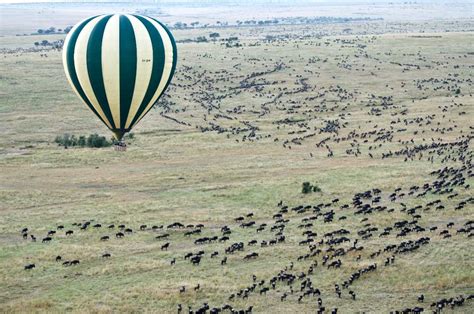
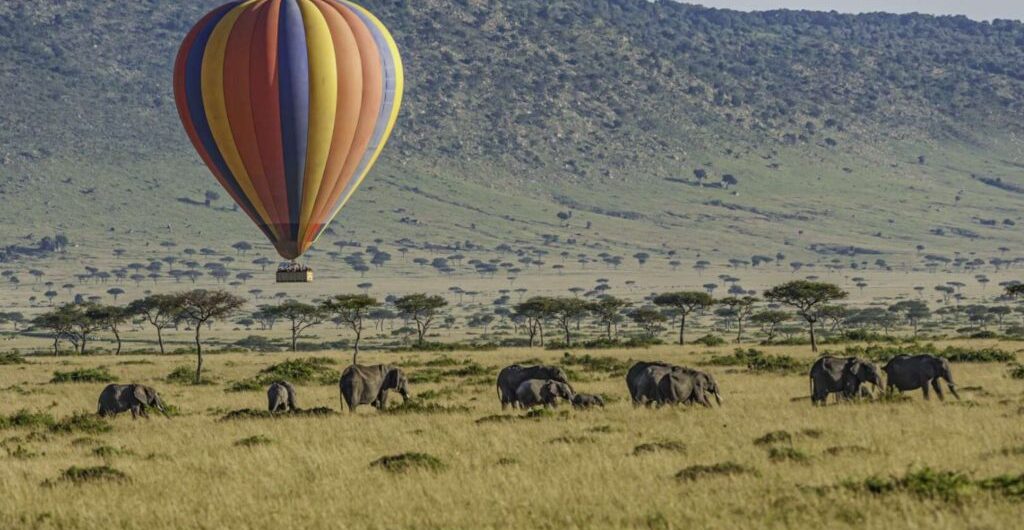
For many travelers planning Kenya Safaris or Tanzania Safaris, one common question is: Is a Hot Air Balloon Safari Worth the Price? While a balloon safari costs more than a standard game drive, it delivers an extraordinary perspective of East Africa's iconic landscapes that few experiences can match. Floating silently above the Maasai Mara, Serengeti National Park, or Amboseli National Park at sunrise offers breathtaking panoramic views of endless savannahs, winding rivers, acacia woodlands, and abundant wildlife. Whether you're enjoying Kenya Wildlife Safaris, Tanzania Wildlife Safaris, Kenya Great Migration Safaris, or Tanzania Great Migration Safaris, a hot air balloon safari transforms an already remarkable journey into a once-in-a-lifetime adventure. Watching thousands of wildebeest and zebras crossing the plains from above provides an unforgettable aerial perspective that simply cannot be experienced from a safari vehicle. For travelers seeking luxury, adventure, photography, and unforgettable memories, the value of a balloon safari extends well beyond its price. What Makes a Hot Air Balloon Safari Worth the Price? A hot air balloon safari combines spectacular wildlife viewing, peaceful flight, luxury service, and authentic cultural experiences into one unforgettable excursion. Unlike traditional game drives, balloon flights allow guests to witness the African wilderness from a completely different angle while floating quietly above the landscape without disturbing wildlife. Guests on Kenya Birding Safaris and Tanzania Birding Safaris also enjoy exceptional opportunities to observe birds from above, including raptors gliding on morning thermals, flamingos near alkaline lakes, and numerous savannah bird species beginning their day. The experience usually includes: Pre-dawn transfer to the launch site Professional safety briefing Sunrise balloon flight lasting approximately one hour Exceptional wildlife viewing from the air Champagne bush breakfast after landing Flight certificate Professional ground support throughout the excursion Many itineraries also include cultural encounters with the Maasai people in Kenya or
For many travelers planning Kenya Safaris or Tanzania Safaris, one common question is: Is a Hot Air Balloon Safari Worth the Price? While a balloon