Wondering whether safari camps have electricity and Wi-Fi in Kenya and Tanzania? Discover what to expect from power, charging facilities, internet connectivity, and mobile coverage in the Maasai Mara, Amboseli, Serengeti, and Ngorongoro.
Wondering whether safari camps have electricity and Wi-Fi in Kenya and Tanzania? Discover what to expect from power, charging facilities, internet connectivity, and mobile coverage in the Maasai Mara, Amboseli, Serengeti, and Ngorongoro.
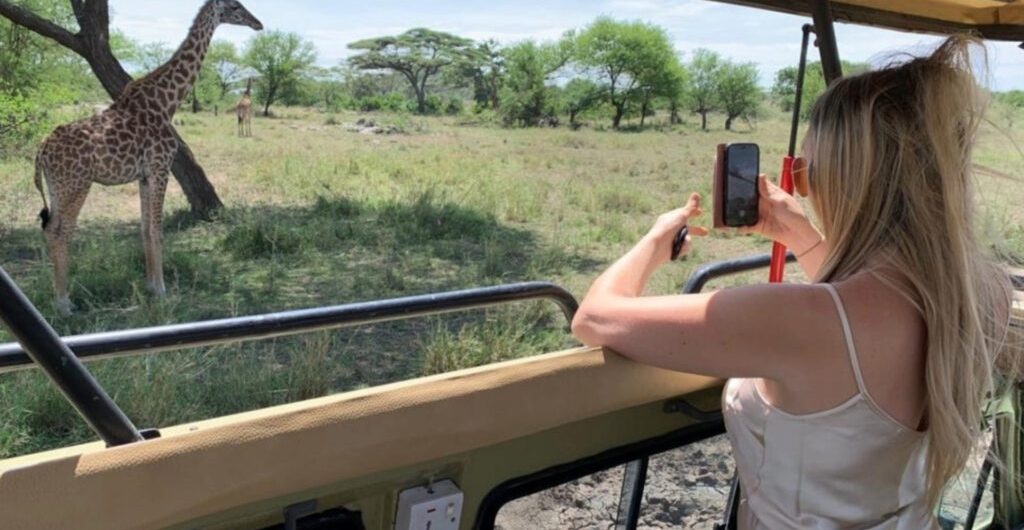
Learn how to avoid crowds during the Great Migration in Kenya or Tanzania with tips on timing, quieter safari areas, private camps, conservancies, and routes.
Learn how to avoid crowds during the Great Migration in Kenya or Tanzania with tips on timing, quieter safari areas, private camps, conservancies, and routes.
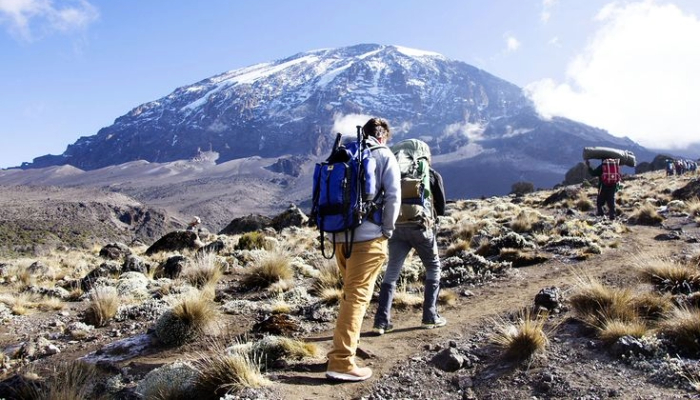
Discover how fit you need to be for hiking safaris in Kenya and Tanzania, including fitness requirements, preparation tips, trail difficulty, and advice for beginners.
Discover how fit you need to be for hiking safaris in Kenya and Tanzania, including fitness requirements, preparation tips, trail difficulty, and advice for beginners.
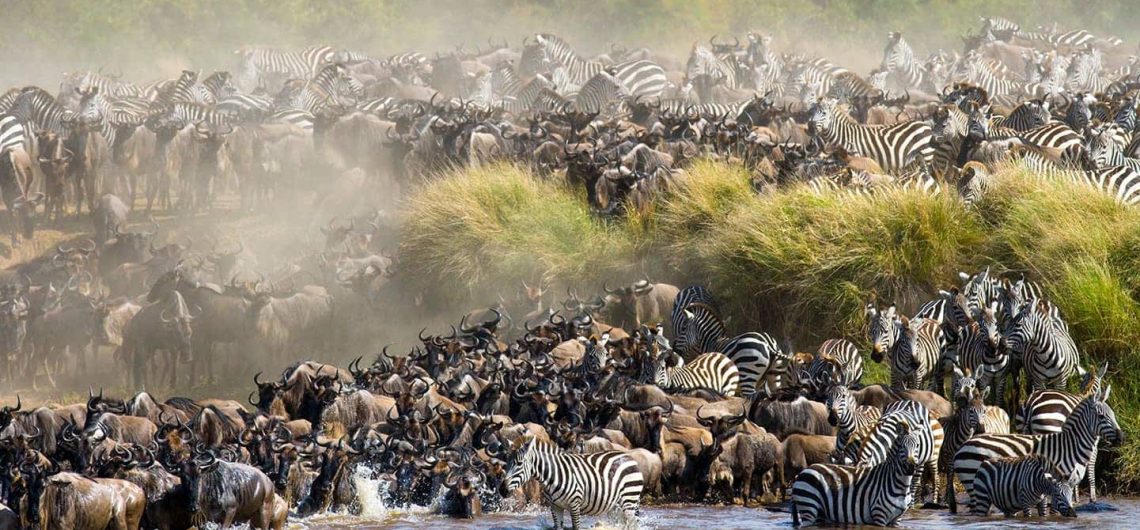
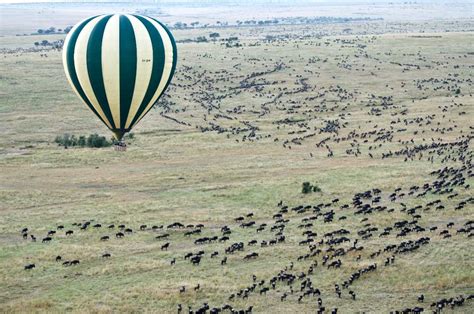
The Mara River crossings are among the most dramatic moments of the Great Wildebeest Migration, attracting wildlife enthusiasts from around the world who travel on Kenya Safaris and Tanzania Safaris. Watching thousands of wildebeest, zebra, and other animals gather along the riverbanks before plunging into the water is an unforgettable safari experience. One of the most common questions travelers ask is: How long does a Mara River crossing last? There is no fixed answer. An individual crossing can last anywhere from a few minutes to more than two hours, depending on the size of the herd, river conditions, weather, and the animals' behavior. When multiple groups cross at different points throughout the day, the overall spectacle can continue for several hours or even recur over several days. For travelers planning Kenya Wildlife Safaris, Tanzania Wildlife Safaris, or a combined East African adventure, understanding the timing and duration of the crossings can make it easier to plan a rewarding safari. Understanding the Mara River Crossing Duration The Mara River crossings form part of the annual Great Wildebeest Migration, when enormous herds move between Tanzania's Serengeti ecosystem and Kenya's Maasai Mara. A single group may cross the river relatively quickly, sometimes taking only 15 to 30 minutes. Larger groups can take an hour or more, particularly when animals hesitate at the riverbank, encounter strong currents, or move in waves. The crossing itself, however, is only part of the experience. Herds may gather on the riverbank for hours before committing to the water. After one group crosses, another may follow later, creating repeated Mara River crossings throughout the day. This means a safari vehicle may spend several hours in the area waiting for the right moment. Patience is essential because there is no guaranteed schedule for when wildebeest will enter the river. What
The Mara River crossings are among the most dramatic moments of the Great Wildebeest Migration, attracting wildlife enthusiasts from around the world who travel on
Is the Great Migration Suitable for Family Safaris? Is the Great Migration Suitable for Family Safaris? The answer is a resounding yes. With proper planning, experienced guides, and family-friendly accommodations, a Great Migration family safari can offer one of the most rewarding and memorable wildlife experiences in the world. At Amakula African Safaris, we create unforgettable family safaris in Tanzania and family safaris in Kenya that combine adventure, education, comfort, and cultural discovery, ensuring travelers of all ages can experience the magic of the Great Migration safely and enjoyably. The Great Migration is one of nature's greatest spectacles, involving over two million wildebeest, zebras, and gazelles moving between Tanzania's Serengeti National Park and Kenya's Maasai Mara National Reserve in search of fresh grazing. Beyond witnessing incredible wildlife, families enjoy meaningful learning experiences about conservation, ecosystems, and African cultures. Many visitors also choose to extend their journey with Uganda Gorilla Trekking, creating a once-in-a-lifetime East African family holiday. Why the Great Migration Is Perfect for Family Safaris A family-friendly Great Migration safari provides much more than wildlife viewing. It introduces children and adults to the wonders of nature while creating unforgettable shared experiences. Families can enjoy: Safe and professionally guided game drives Educational wildlife interpretation Spectacular wildebeest river crossings Big Five wildlife encounters Interactive cultural visits Birdwatching opportunities Comfortable family lodges and tented camps Flexible safari schedules suitable for children Unlike many vacations, family wildlife safaris combine entertainment with education, making every game drive an outdoor classroom. Family Safaris in Kenya: Experience the Maasai Mara The Maasai Mara is among the world's finest destinations for Kenya Great Migration safaris. Between July and October, thousands of wildebeest cross the Mara River while lions, crocodiles, cheetahs, and hyenas wait nearby, creating unforgettable wildlife encounters. Amakula African Safaris designs Kenya Wildlife Safaris that include:
Is the Great Migration Suitable for Family Safaris? Is the Great Migration Suitable for Family Safaris? The answer is a resounding yes. With proper planning,
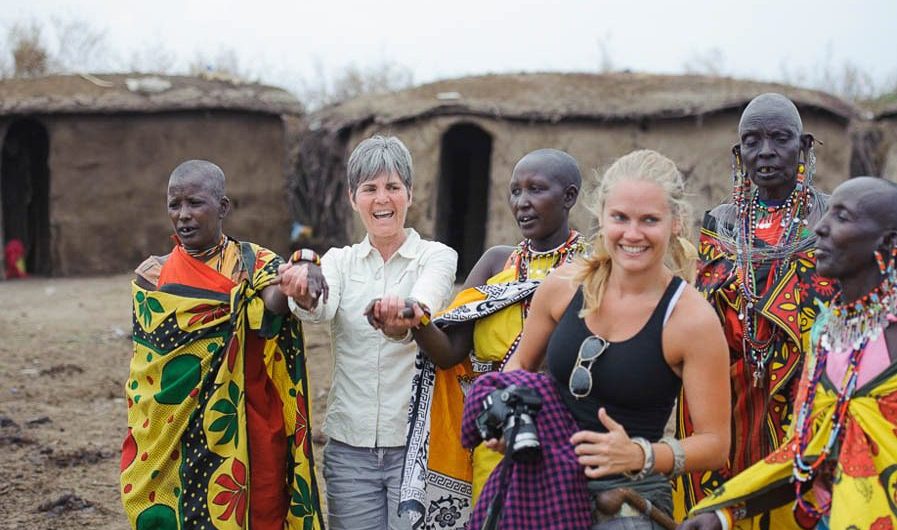
What Cultural Activities Are Included in These Safaris? What cultural activities are included in these safaris? Beyond the incredible wildlife and breathtaking landscapes, East Africa offers unforgettable cultural experiences that add depth and meaning to your safari. From visiting traditional villages and meeting local communities to learning about indigenous customs, music, dance, crafts, and daily life, cultural safari activities provide travelers with a unique opportunity to connect with the people and traditions that have shaped East Africa for generations. At Amakula African Safaris, we believe that the finest African cultural safaris combine breathtaking game viewing with authentic cultural experiences. Whether you are embarking on Kenya Wildlife Safaris, Tanzania Wildlife Safaris, Kenya Birding Safaris, or extending your adventure with Uganda Gorilla Trekking, cultural immersion provides a richer appreciation of East Africa's heritage, conservation efforts, and community life. Introduction: Authentic Cultural Safari Activities Across East Africa One of the greatest advantages of choosing cultural experiences on safari is the opportunity to connect with local communities beyond the famous national parks. From the colorful traditions of the Maasai to the ancient lifestyles of the Hadzabe hunter-gatherers, every destination reveals unique customs that have shaped East Africa for centuries. These East African cultural attractions complement wildlife encounters by offering: Traditional village visits Local community tours African tribal experiences Traditional African dance performances Indigenous community experiences African craft markets Local food tasting tours Traditional storytelling experiences Community-based tourism initiatives Whether your itinerary includes the Kenya Great Migration, the Tanzania Great Migration, or mountain gorilla trekking in Uganda, these authentic African cultural experiences create unforgettable memories. Cultural Safari Activities with the Maasai People in Kenya What Cultural Activities Are Included in These Safaris? Discover Authentic East African Cultural Experiences Among the most sought-after cultural safari activities are visits to the Maasai communities surrounding the Maasai Mara
What Cultural Activities Are Included in These Safaris? What cultural activities are included in these safaris? Beyond the incredible wildlife and breathtaking landscapes, East Africa