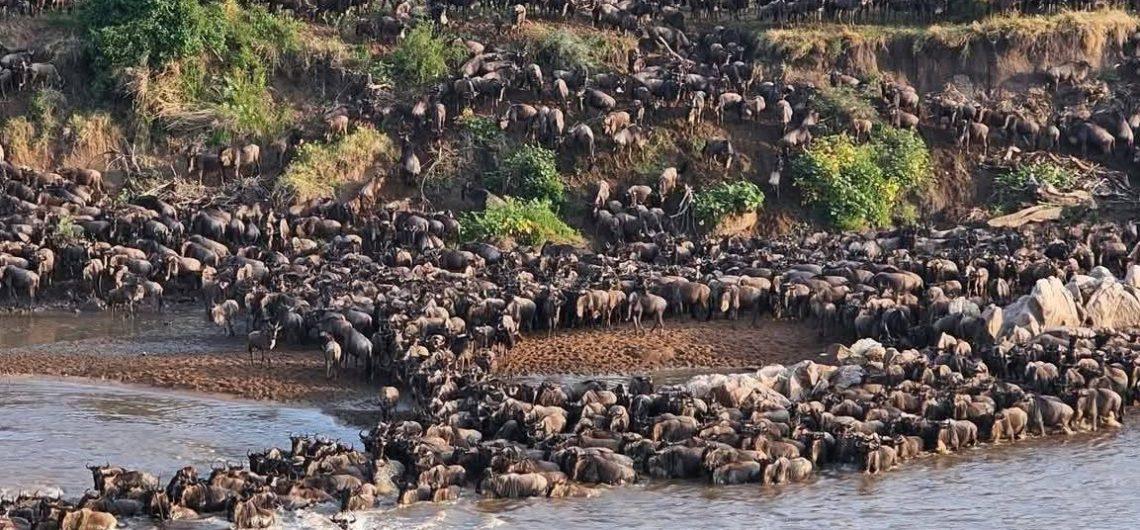
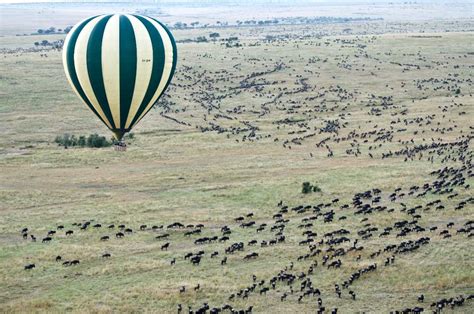
The Great Migration can be experienced in the Serengeti throughout the year, but each season offers a different wildlife spectacle. Discover the best months for calving, herd movements, river crossings, and unforgettable Tanzania and Kenya safaris.
The Great Migration can be experienced in the Serengeti throughout the year, but each season offers a different wildlife spectacle. Discover the best months for calving, herd movements, river crossings, and unforgettable Tanzania and Kenya safaris.
Responsible Safari Practice Safari tourism has become one of the most remarkable ways to experience Africa’s incredible wildlife, landscapes, and cultures. However, as more travelers seek unforgettable adventures, the importance of responsible safari practices continues to grow. Modern travelers are not only interested in seeing lions, elephants, gorillas, and rare bird species but also want to ensure their journeys contribute positively to wildlife conservation, habitat protection, and the wellbeing of local communities. At Amakula African Safaris, we believe that every safari should create meaningful connections between travelers, nature, and people. Whether you are planning Responsible Kenya Wildlife Safaris, Tanzania Wildlife Safaris, or Uganda Gorilla Trekking Safaris, practicing responsible tourism helps protect Africa’s ecosystems while creating authentic and sustainable wildlife experiences. Responsible safari practices involve respecting wildlife, following park regulations, reducing environmental impact, supporting conservation projects, and engaging respectfully with local communities. Through sustainable safari tourism, travelers become active participants in protecting Africa’s natural heritage for future generations. What Are Responsible Safari Practices? Many travelers ask, “What are responsible safari practices?” Responsible safari practices are ethical actions and choices that minimize harm to wildlife, ecosystems, and communities while maximizing positive impacts from tourism. These practices include: Following wildlife viewing guidelines Maintaining safe distances from animals Avoiding disturbance of natural wildlife behavior Respecting national park rules Supporting local communities through tourism Choosing sustainable accommodations Reducing waste and plastic use Supporting conservation-focused safaris By following these principles, travelers contribute to conservation tourism in East Africa and help ensure that future generations can enjoy Africa’s extraordinary biodiversity. Why Sustainable Safari Tourism Matters Africa’s wildlife faces increasing challenges, including habitat loss, climate change, human-wildlife conflict, and illegal wildlife activities. Sustainable safari tourism provides an opportunity to protect natural resources while supporting economic development. When travelers choose responsible African safaris, they contribute to: Wildlife Conservation Tourism
Responsible Safari Practice Safari tourism has become one of the most remarkable ways to experience Africa’s incredible wildlife, landscapes, and cultures. However, as more travelers