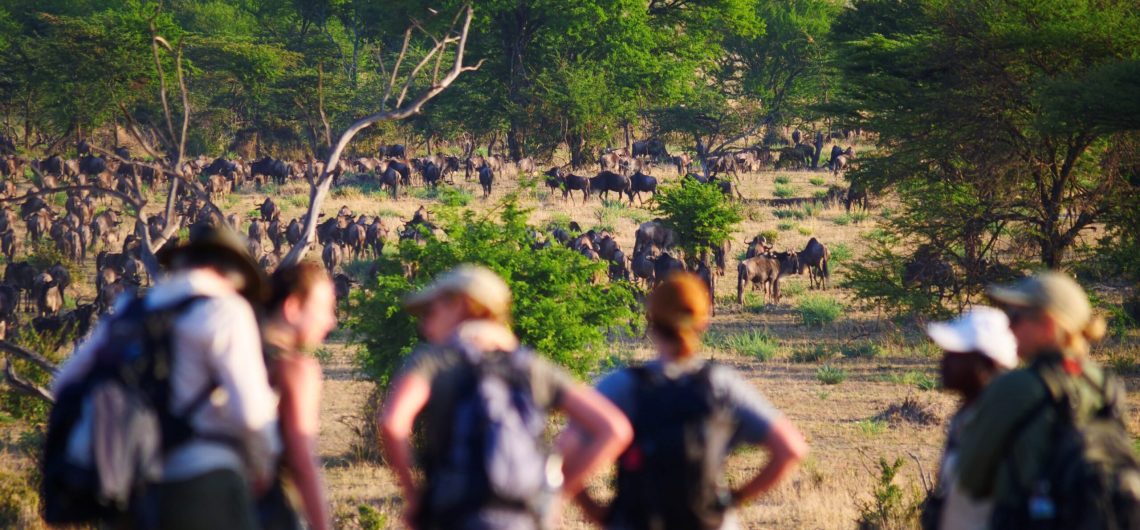
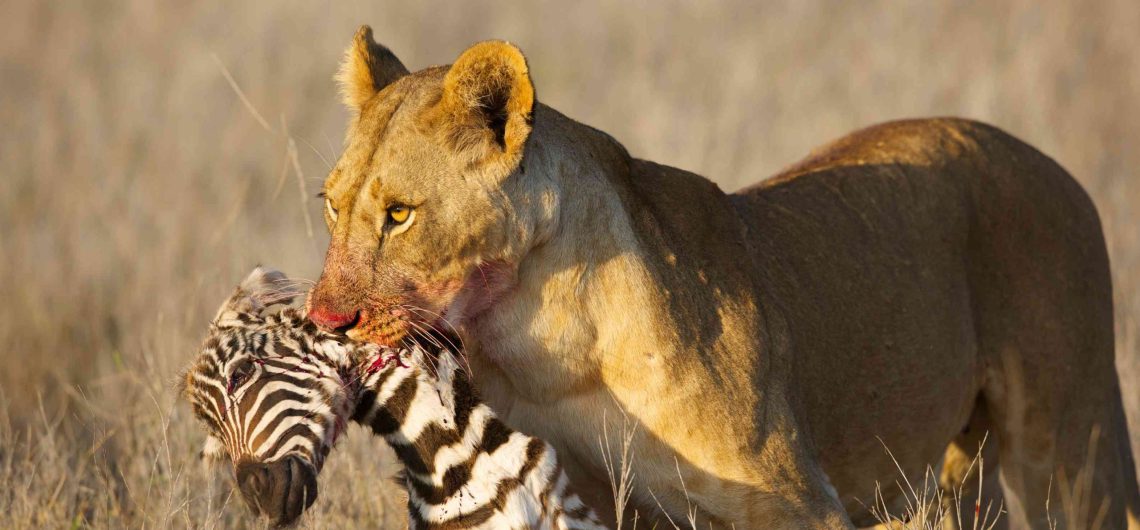
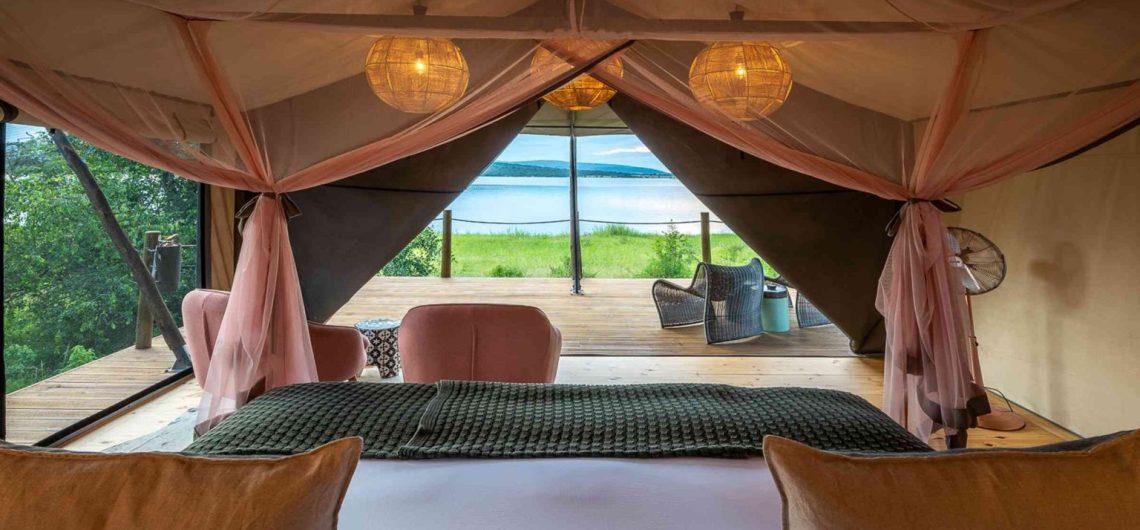
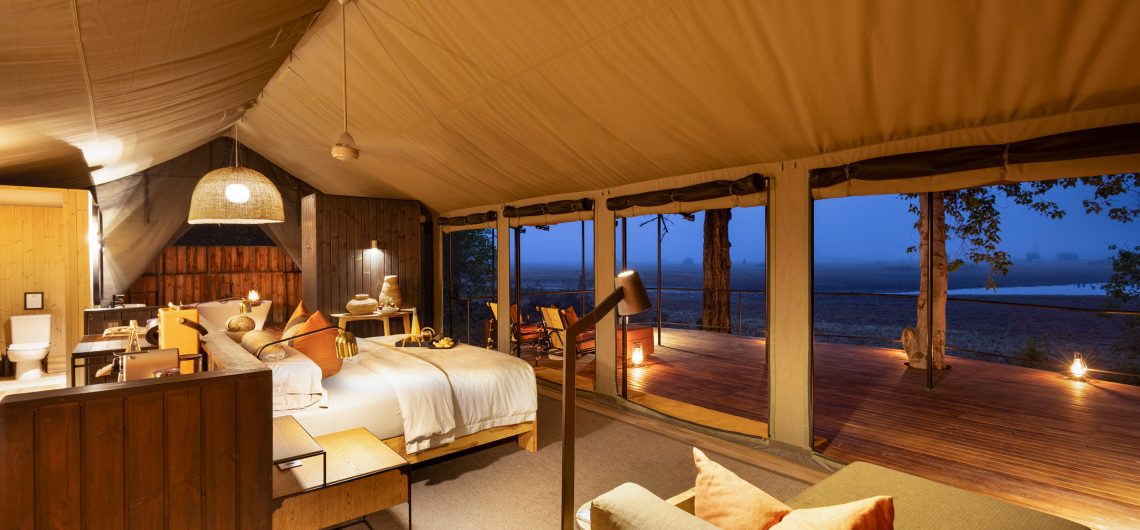
Is the Great Migration Suitable for Family Safaris? Is the Great Migration Suitable for Family Safaris? The answer is a resounding yes. With proper planning, experienced guides, and family-friendly accommodations, a Great Migration family safari can offer one of the most rewarding and memorable wildlife experiences in the world. At Amakula African Safaris, we create unforgettable family safaris in Tanzania and family safaris in Kenya that combine adventure, education, comfort, and cultural discovery, ensuring travelers of all ages can experience the magic of the Great Migration safely and enjoyably. The Great Migration is one of nature's greatest spectacles, involving over two million wildebeest, zebras, and gazelles moving between Tanzania's Serengeti National Park and Kenya's Maasai Mara National Reserve in search of fresh grazing. Beyond witnessing incredible wildlife, families enjoy meaningful learning experiences about conservation, ecosystems, and African cultures. Many visitors also choose to extend their journey with Uganda Gorilla Trekking, creating a once-in-a-lifetime East African family holiday. Why the Great Migration Is Perfect for Family Safaris A family-friendly Great Migration safari provides much more than wildlife viewing. It introduces children and adults to the wonders of nature while creating unforgettable shared experiences. Families can enjoy: Safe and professionally guided game drives Educational wildlife interpretation Spectacular wildebeest river crossings Big Five wildlife encounters Interactive cultural visits Birdwatching opportunities Comfortable family lodges and tented camps Flexible safari schedules suitable for children Unlike many vacations, family wildlife safaris combine entertainment with education, making every game drive an outdoor classroom. Family Safaris in Kenya: Experience the Maasai Mara The Maasai Mara is among the world's finest destinations for Kenya Great Migration safaris. Between July and October, thousands of wildebeest cross the Mara River while lions, crocodiles, cheetahs, and hyenas wait nearby, creating unforgettable wildlife encounters. Amakula African Safaris designs Kenya Wildlife Safaris that include:
Is the Great Migration Suitable for Family Safaris? Is the Great Migration Suitable for Family Safaris? The answer is a resounding yes. With proper planning,
Uganda Safaris: Explore Wildlife, Gorilla Trekking & Cultural Experiences Uganda Safaris: Explore Wildlife, Gorilla Trekking & Cultural Experiences offers an extraordinary opportunity to discover Africa’s Pearl, where breathtaking landscapes, incredible wildlife, and rich cultural heritage come together to create unforgettable adventures. From thrilling Uganda Wildlife Safaris and unforgettable Gorilla Trekking Uganda experiences to authentic Uganda Cultural Safaris, Uganda offers diverse and rewarding adventures for every traveler. At Amakula African Safaris, we specialize in creating personalized Uganda Safari Tours that showcase the best of Uganda’s national parks, wildlife encounters, birding opportunities, and cultural experiences. Whether you dream of trekking through ancient rainforests to meet endangered mountain gorillas, tracking chimpanzees in lush forests, or enjoying game drives across vast savannah plains, our expertly designed safari packages provide a perfect balance of adventure, comfort, and discovery. Why Choose Uganda Safaris for Your African Adventure? Uganda Safaris: Explore Wildlife, Gorilla Trekking & Cultural Experiences Uganda is famously known as the Pearl of Africa because of its spectacular natural beauty and incredible biodiversity. A journey through Uganda introduces travelers to dramatic landscapes ranging from the snow-capped peaks of the Rwenzori Mountains and tropical forests to the open savannahs and peaceful shores of Lake Victoria. A Uganda Wildlife Safari allows visitors to experience some of Africa’s most remarkable wildlife encounters, including: Mountain gorilla trekking in Bwindi Impenetrable Forest Chimpanzee tracking in Kibale Forest National Park Big Five safari experiences in Uganda’s national parks Tree-climbing lions in Queen Elizabeth National Park Elephants, giraffes, buffaloes, and hippos in Murchison Falls National Park Bird watching tours featuring Uganda’s diverse bird species Beyond wildlife, Uganda Cultural Experiences provide travelers with meaningful interactions with local communities, traditional performances, indigenous cultures, and historical attractions. Uganda Wildlife Safaris – Discover Nature at Its Best A Uganda Wildlife Safari offers some of the most unique
Uganda Safaris: Explore Wildlife, Gorilla Trekking & Cultural Experiences Uganda Safaris: Explore Wildlife, Gorilla Trekking & Cultural Experiences offers an extraordinary opportunity to discover Africa’s Pearl,
Responsible Safari Practice Safari tourism has become one of the most remarkable ways to experience Africa’s incredible wildlife, landscapes, and cultures. However, as more travelers seek unforgettable adventures, the importance of responsible safari practices continues to grow. Modern travelers are not only interested in seeing lions, elephants, gorillas, and rare bird species but also want to ensure their journeys contribute positively to wildlife conservation, habitat protection, and the wellbeing of local communities. At Amakula African Safaris, we believe that every safari should create meaningful connections between travelers, nature, and people. Whether you are planning Responsible Kenya Wildlife Safaris, Tanzania Wildlife Safaris, or Uganda Gorilla Trekking Safaris, practicing responsible tourism helps protect Africa’s ecosystems while creating authentic and sustainable wildlife experiences. Responsible safari practices involve respecting wildlife, following park regulations, reducing environmental impact, supporting conservation projects, and engaging respectfully with local communities. Through sustainable safari tourism, travelers become active participants in protecting Africa’s natural heritage for future generations. What Are Responsible Safari Practices? Many travelers ask, “What are responsible safari practices?” Responsible safari practices are ethical actions and choices that minimize harm to wildlife, ecosystems, and communities while maximizing positive impacts from tourism. These practices include: Following wildlife viewing guidelines Maintaining safe distances from animals Avoiding disturbance of natural wildlife behavior Respecting national park rules Supporting local communities through tourism Choosing sustainable accommodations Reducing waste and plastic use Supporting conservation-focused safaris By following these principles, travelers contribute to conservation tourism in East Africa and help ensure that future generations can enjoy Africa’s extraordinary biodiversity. Why Sustainable Safari Tourism Matters Africa’s wildlife faces increasing challenges, including habitat loss, climate change, human-wildlife conflict, and illegal wildlife activities. Sustainable safari tourism provides an opportunity to protect natural resources while supporting economic development. When travelers choose responsible African safaris, they contribute to: Wildlife Conservation Tourism
Responsible Safari Practice Safari tourism has become one of the most remarkable ways to experience Africa’s incredible wildlife, landscapes, and cultures. However, as more travelers
Best Months for Wildlife Viewing in Uganda Best Months for Wildlife Viewing in Uganda can greatly enhance your safari experience. Whether you are planning Uganda Wildlife Safaris, Uganda Birding Safaris, or combining your adventure with Uganda Gorilla Trekking, choosing the right time of year can provide better game viewing, more favorable travel conditions, and exceptional opportunities for photography. Understanding Uganda’s seasons allows travelers to plan their safari at the ideal time and make the most of the country’s diverse wildlife and breathtaking landscapes. At Amakula African Safaris, we specialize in creating tailor-made Uganda Safaris that allow visitors to experience the country's remarkable biodiversity, breathtaking landscapes, and vibrant cultures. From the vast savannahs of Murchison Falls National Park to the ancient rainforests of Bwindi Impenetrable National Park, Uganda offers year-round adventures, but certain months provide optimal wildlife viewing conditions. Why Timing Matters for Uganda Wildlife Viewing The best time for Uganda safaris largely depends on the weather. Uganda experiences two dry seasons and two rainy seasons each year. Wildlife is easier to spot during the dry months because vegetation is thinner, animals gather around permanent water sources, and park roads remain accessible. The best months for wildlife viewing in Uganda are: December to February June to September These months offer ideal conditions for Uganda game viewing, wildlife photography, birdwatching, and primate trekking. December to February: Peak Wildlife Viewing Season The dry season between December and February is one of the most popular periods for Uganda wildlife safaris. During this time, wildlife is highly active, making it easier to observe Uganda's famous Big Five and other iconic animals. Visitors can enjoy: Excellent game drives Comfortable weather Clear photography conditions Easy access to national parks Outstanding wildlife viewing opportunities This season is perfect for exploring Murchison Falls National Park, Queen Elizabeth National Park, Kidepo
Best Months for Wildlife Viewing in Uganda Best Months for Wildlife Viewing in Uganda can greatly enhance your safari experience. Whether you are planning Uganda Wildlife
What Are the Chances of Seeing a Predator Kill on Safari? One of the most thrilling questions travelers ask before embarking on Uganda safaris is, “What are the chances of seeing a predator kill on safari?” Witnessing a predator kill on safari is one of Africa’s most dramatic and unforgettable wildlife experiences. While these encounters are entirely unpredictable and can never be guaranteed, choosing the right safari destination, visiting at the right time of year, and traveling with an experienced guide can significantly increase your chances of witnessing authentic African safari predator sightings in the wild. At Amakula African Safaris, we specialize in unforgettable Uganda Wildlife Safaris, Uganda Birding Safaris, and Uganda Gorilla Trekking adventures that maximize your opportunities to witness extraordinary wildlife behavior, including predator-prey interactions on safari. Whether you dream of seeing lions stalking Uganda kob, leopards ambushing antelope, or crocodiles hunting along the Nile, Uganda offers exceptional opportunities for remarkable African wildlife hunting scenes. What Are the Chances of Seeing a Predator Kill? The reality is that witnessing a predator kill in Africa is never guaranteed. Wild animals hunt according to natural instincts, prey movements, weather conditions, and the availability of food. Even during excellent African safari predator sightings, predators spend much of their day resting to conserve energy. However, visitors who spend several days on Uganda Wildlife Safaris have a much higher likelihood of observing predator action on African safari excursions than those on short game drives. Factors that increase your chances include: Multiple game drives Experienced safari guides Early morning wildlife excursions Late afternoon game drives Visiting parks with healthy predator populations Traveling during the dry season The longer you remain in wildlife-rich areas, the better your opportunity to witness wildlife predator kill safari experiences. Best Time to See Predators Hunting One of the most
What Are the Chances of Seeing a Predator Kill on Safari? One of the most thrilling questions travelers ask before embarking on Uganda safaris is,
Yes, advance booking is highly recommended—and often essential—for lodges during safaris in East Africa. Whether you are planning Kenya Safaris, Uganda Safaris, Kenya Great Migration Safaris, Uganda Gorilla Trekking Safaris, or Uganda Chimpanzee Safaris, reserving accommodation well in advance ensures you secure the best lodge options, convenient park access, and a seamless safari experience. During peak travel seasons, the most popular safari lodges and tented camps can sell out six to twelve months before arrival. For travelers embarking on Kenya Wildlife Safaris, Kenya Birding Safaris, Kenya Cultural Safaris, Uganda Wildlife Safaris, Uganda Birding Safaris, or Uganda Cultural Safaris, advance safari lodge booking provides more than just a room. It guarantees proximity to wildlife hotspots, simplifies logistics, and allows visitors to enjoy early morning game drives, birdwatching excursions, and cultural encounters without unnecessary travel delays. Amakula African Safaris recommends booking safari lodges early to secure preferred accommodations, obtain the best available rates, and coordinate activities such as Uganda Gorilla Trekking with Kenya Great Migration Safaris into one unforgettable East African adventure. Why Is Advance Safari Lodge Booking Important? One of the primary reasons to book safari lodges in advance is limited accommodation capacity within and around national parks. Many safari lodges are intentionally small to minimize environmental impact while offering exclusive wildlife experiences. As a result, demand often exceeds availability during the high season. Travelers planning Kenya Best Safaris frequently choose lodges in the Maasai Mara, Amboseli National Park, Samburu National Reserve, and Lake Nakuru National Park. These accommodations provide immediate access to wildlife viewing areas and reduce travel time before morning game drives. Likewise, Uganda Best Safaris rely on lodges near Bwindi Impenetrable National Park, Kibale National Park, Queen Elizabeth National Park, and Murchison Falls National Park, where early departures are essential for gorilla trekking and chimpanzee tracking. Early reservations
Yes, advance booking is highly recommended—and often essential—for lodges during safaris in East Africa. Whether you are planning Kenya Safaris, Uganda Safaris, Kenya Great Migration
One of the most frequently asked questions by travelers planning Kenya Safaris or Uganda Safaris is: Is electricity available at safari lodges? The simple answer is yes. Today, most safari lodges and tented camps throughout East Africa provide reliable electricity, allowing guests to enjoy the perfect balance between wilderness and modern comfort. Whether you are embarking on Kenya Best Safaris, Uganda Best Safaris, Kenya Birding Safaris, Uganda Birding Safaris, Kenya Cultural Safaris, or Uganda Cultural Safaris, you can expect access to electricity for lighting, charging cameras, mobile phones, laptops, and other essential travel devices. Modern safari lodges are designed to blend naturally into their surroundings while minimizing environmental impact. Many properties use renewable energy sources such as solar power, supported by backup generators where necessary. This sustainable approach enables travelers to remain comfortable while preserving the pristine ecosystems that make East Africa one of the world's premier safari destinations. Whether you are photographing the spectacular wildlife during Kenya Great Migration Safaris, capturing rare birds during Uganda Birding Safaris, or documenting unforgettable encounters on Uganda Gorilla Trekking Safaris, reliable electricity ensures your equipment remains fully charged throughout your journey. Is Electricity Available at Safari Lodges During Kenya Safaris? Throughout Kenya Safaris, electricity is available in nearly all established safari lodges and luxury tented camps. Lodges located within or near the Maasai Mara, Amboseli National Park, Lake Naivasha, Samburu National Reserve, Tsavo National Parks, and Lake Nakuru National Park provide guests with dependable power while maintaining environmentally responsible operations. Many Kenyan safari accommodations rely primarily on: Solar energy systems Backup generators Hybrid renewable energy solutions Battery storage systems Luxury lodges generally offer 24-hour electricity, while eco-lodges and smaller camps may switch generators off during late-night hours to reduce environmental impact. However, guests can usually cha